
Author: AsimAli

How do coffee machines work?How do coffee machines work?

Coffee is one of the most popular beverages worldwide. Millions of people enjoy it every day at home, in offices, restaurants, and coffee shops. Although making coffee may seem simple, the technology behind a coffee maker is quite interesting. Modern machines use water heating systems, pumps, filters, pressure, and carefully designed brewing methods to produce a delicious cup of coffee.
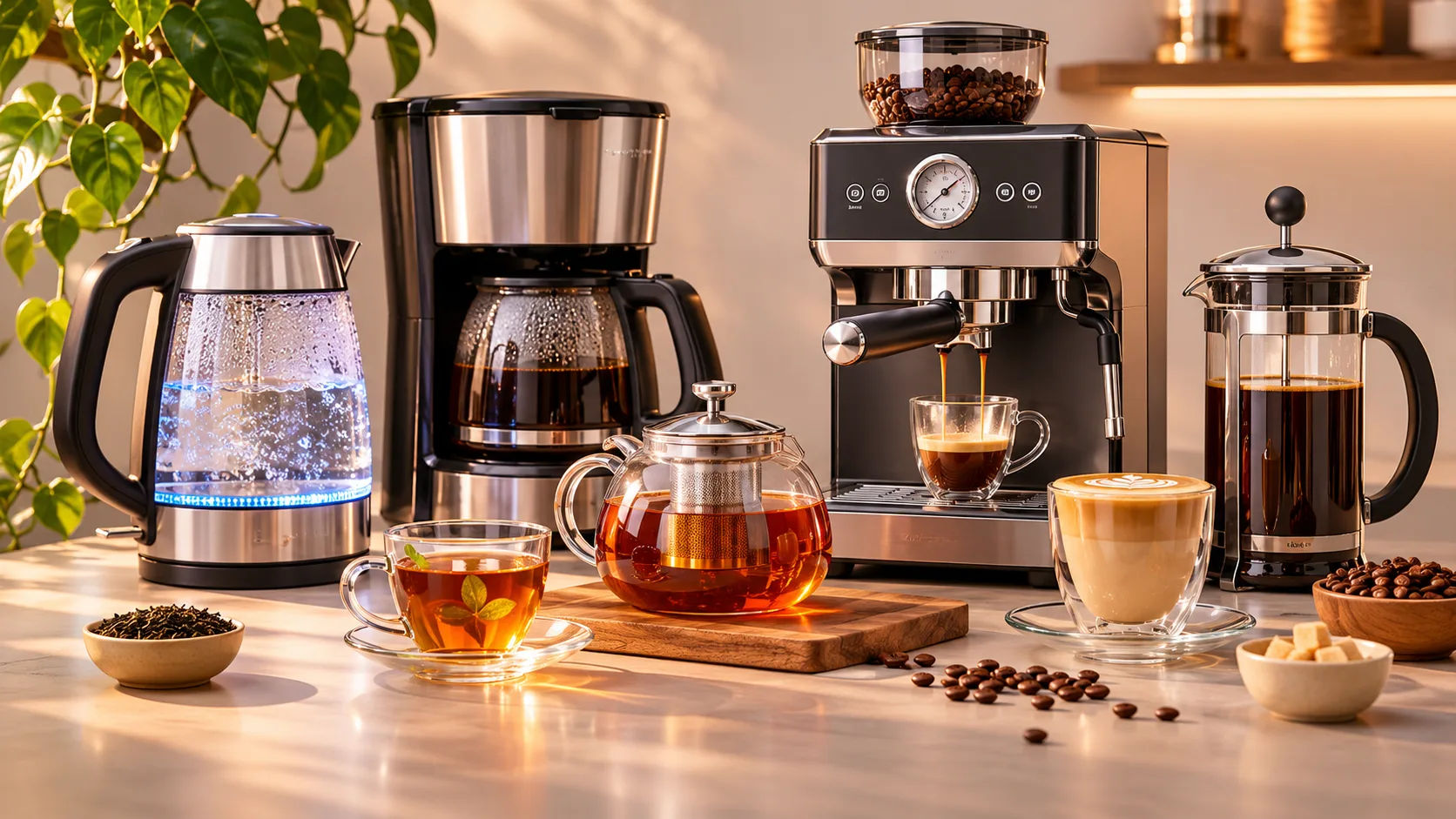
Understanding how these appliances operate can help people choose the right equipment, prepare better coffee, and maintain their machines properly. Whether someone prefers espresso, cappuccino, Americano, or regular black coffee, knowing how coffee machines work makes the brewing process easier to understand.

Different models use different technologies, but most follow the same basic principle: they heat water and pass it through ground coffee to extract its flavour, aroma, oils, and other soluble compounds. The quality of the final drink depends on several factors, including water temperature, brewing time, pressure, grind size, and the amount of coffee used.

This comprehensive guide explains the internal components, working principles, brewing methods, and maintenance requirements of modern coffee-making equipment.

 Basic Working Principle of Coffee Machines

coffee machines operate by combining hot water with ground coffee. During this process, water extracts flavour compounds from the coffee grounds and turns them into a drink.

Although the technology varies between models, the general brewing process involves three main stages.

Heating the Water

The first stage is heating water to a suitable brewing temperature. Most coffee brewing methods work best when water is approximately 90–96°C.

A heating element inside the appliance raises the water temperature. Depending on the design, the machine may use a boiler, thermoblock, or heating plate.

Some machines heat water quickly, while others maintain a steady temperature throughout the brewing process.

Moving Water Through Coffee Grounds

Once the water reaches the required temperature, the machine directs it towards the coffee grounds.

In drip models, gravity allows hot water to pass through the coffee. Espresso equipment uses a pump to push water through tightly packed grounds under pressure.

The water absorbs flavour, aroma, oils, and soluble substances during this stage.

Collecting the Brewed Coffee

After passing through the coffee grounds, the extracted liquid flows into a carafe, cup, or internal container.

The finished beverage can then be served directly or used to prepare other drinks, such as cappuccino and latte.

Main Components of Coffee Machines

Understanding the main components helps explain how the entire brewing system works. Each part performs a particular function, and all components work together to produce consistent coffee.

Water Reservoir

The water reservoir stores the clean water required for brewing.

It is usually located at the back or side of the appliance. Some models have removable tanks, making them easier to refill and clean.

The reservoir supplies water to the heating system whenever someone starts a brewing cycle.

Many modern models also include water-level indicators. These help users identify when additional water is needed.

Heating Element

The heating element is responsible for raising the water temperature.

Electric resistance heating is commonly used in domestic coffee makers. When electricity passes through the heating element, it produces heat that transfers to the water.

Some advanced appliances use thermoblock systems. These heat water as it moves through narrow channels instead of storing large amounts of hot water.

This arrangement can reduce waiting time and improve temperature control.

Pump System

A pump moves water through different sections of certain brewing appliances.

It is particularly important in espresso models because espresso requires pressurised water.

Many traditional espresso machines operate around nine bars of brewing pressure. This pressure helps water move through compact coffee grounds and extract concentrated flavour.

Basic drip machines generally do not require a pressurised brewing pump.

Filter and Coffee Basket

The filter holds the ground coffee while allowing brewed liquid to pass through.

Paper filters, metal filters, and reusable mesh filters are common options.

A good filter prevents most coffee particles from entering the finished beverage. It also influences the drink's texture and flavour because different materials allow different amounts of oils and fine particles to pass through.

Control Panel

Modern appliances often include buttons, switches, touchscreens, or digital displays.

These controls allow users to select brewing strength, cup size, temperature, and other settings.

More advanced models can save personal preferences and automatically prepare selected drinks.

How Different Types of Coffee Machines Work

Not every coffee maker uses the same brewing technology. Different designs provide different levels of control, convenience, and flavour.

Drip Coffee Makers

Espresso machines use pressure to produce a concentrated coffee beverage.

The user places finely ground coffee into a portafilter and distributes it evenly before tamping it into a compact puck.

The machine then heats water and uses a pump to force it through the coffee grounds.

The pressurised water extracts flavour compounds, oils, and other substances in a relatively short period.

A typical espresso extraction takes approximately 25–30 seconds, although the ideal time depends on the coffee, grind size, dose, and desired result.

The finished espresso often has a layer of golden-brown foam called crema.

Espresso is also used as the foundation for popular drinks such as cappuccino, latte, macchiato, and flat white.

Single-Serve Pod Machines

A French press uses immersion brewing rather than an automatic heating and pumping system.

The user adds coarsely ground coffee to a glass or metal container and pours hot water over it.

The coffee grounds remain immersed in water for approximately four minutes, although brewing time can vary.

After steeping, a metal mesh filter attached to a plunger separates the grounds from the brewed liquid.

The French press produces a fuller-bodied beverage because its metal filter allows more natural coffee oils and fine particles to remain in the cup.

Unlike automatic appliances, it requires the user to heat and pour the water separately.

Bean-to-Cup Coffee Machines

Bean-to-cup models combine several brewing functions in one appliance.

They usually contain an integrated grinder, water reservoir, brewing unit, pump, and coffee dispensing system.

When the user selects a drink, the machine automatically grinds the required quantity of coffee beans.

The ground coffee moves into the brewing chamber, where it is compressed.

Hot water then passes through the grounds under controlled pressure.

Some models also include automatic milk-frothing systems for preparing cappuccinos and lattes.

These appliances are popular because they reduce manual preparation while offering freshly ground coffee.

The Science Behind Coffee Extraction

Coffee brewing is not simply about mixing water with ground beans. It is a process of extraction in which water dissolves different substances from roasted coffee.

These substances include acids, sugars, caffeine, oils, and aromatic compounds.

The balance between these elements influences the final flavour.

Why Water Temperature Matters

Water temperature affects how quickly flavour compounds dissolve.

If the water is too cold, extraction may be slow, producing a weak or sour-tasting beverage.

If the water is excessively hot, it can contribute to an unpleasant flavour, particularly when combined with unsuitable brewing conditions.

A temperature range of approximately 90–96°C works well for many brewing methods.

However, individual preferences and coffee characteristics can influence the ideal temperature.

The Importance of Grind Size

The size of coffee particles affects how quickly water extracts flavour.

Fine grounds provide greater surface area, allowing water to extract compounds more quickly.

Coarse grounds have less exposed surface area and generally require longer contact with water.

Different brewing methods therefore require different grind sizes.

  • Espresso: Fine grind.

  • Drip coffee: Medium grind.

  • French press: Coarse grind.

  • Pour-over: Medium to medium-coarse grind.

Using the correct grind size helps achieve a balanced beverage.

Brewing Time and Extraction

Brewing time determines how long water remains in contact with coffee grounds.

Short extraction may produce a weak or underdeveloped flavour.

Excessively long extraction can create a harsh or bitter taste.

Espresso generally requires a shorter extraction time than French press coffee.

The ideal duration depends on the brewing method, grind size, water temperature, and coffee-to-water ratio.

How Milk Frothing Systems Work

Many modern appliances include milk-frothing features that allow users to prepare speciality beverages.

These systems introduce air into milk while heating it, creating a smooth foam.

Steam Wand Technology

A steam wand uses pressurised steam to heat and aerate milk.

The steam enters the milk through a small opening, creating bubbles while increasing its temperature.

With proper technique, these bubbles become smaller and more evenly distributed, producing a smooth texture known as microfoam.

Microfoam is important for latte art and creamy milk-based beverages.

Automatic Milk Frothers

Automatic milk systems perform the frothing process with less manual effort.

Some machines draw milk through internal tubes and mix it with steam and air.

Others use separate containers with mechanical whisking systems.

The resulting milk foam can be added directly to cappuccinos, lattes, and other drinks.

These systems are convenient, but they require regular cleaning to prevent milk residue from building up.

How Modern Coffee Machines Use Technology

Technology has improved the performance and convenience of modern coffee-making equipment.

Many advanced models include automatic controls that help users achieve consistent results.

Digital Temperature Control

Digital temperature sensors monitor water temperature during brewing.

The machine adjusts its heating system to maintain the selected temperature.

This is particularly useful for espresso preparation, where temperature stability can influence extraction quality.

Programmable Brewing Settings

Programmable controls allow users to customise brewing preferences.

Depending on the model, these settings may include:

  • Coffee strength.

  • Water quantity.

  • Brewing temperature.

  • Cup size.

  • Automatic starting time.

  • Milk temperature.

These features make daily preparation easier.

Smart Connectivity

Some advanced appliances connect to mobile applications through Wi-Fi or Bluetooth.

Users may be able to select drinks, adjust settings, receive maintenance notifications, and monitor certain machine functions.

Smart features are useful, although they are not necessary for making good coffee.

Factors That Affect Coffee Quality

Even a well-designed appliance cannot guarantee excellent coffee if the ingredients and preparation methods are unsuitable.

Several factors influence the taste, aroma, and consistency of the finished beverage.

Coffee Bean Quality

Fresh, high-quality coffee beans generally produce better flavour.

Beans should be stored in an airtight container away from excessive heat, moisture, and direct sunlight.

Roast level also matters.

Light roasts often have brighter, more delicate flavours, while darker roasts usually produce stronger roasted and sometimes bitter notes.

Water Quality

Water makes up most of a cup of coffee, so its quality matters.

Very hard water may contribute to mineral deposits inside the appliance.

Water containing strong chlorine flavours can also negatively affect the taste.

Filtered water can improve flavour and reduce certain mineral-related maintenance problems.

However, the water should still contain an appropriate mineral balance for brewing.

Coffee-to-Water Ratio

The amount of coffee used compared with water influences the strength of the beverage.

Using too little coffee may produce a weak drink, while using too much can create an excessively concentrated result.

A common starting point for many filter brewing methods is approximately 1 gram of coffee for every 15–18 grams of water.

Users can adjust this ratio according to their preferences.

How to Clean and Maintain Coffee Machines

Regular maintenance helps preserve brewing quality and extend the useful life of an appliance.

Coffee oils, mineral deposits, and leftover grounds can gradually collect inside different components.

Without proper cleaning, these materials may affect flavour and machine performance.

Clean Removable Components

After brewing, remove the filter basket, drip tray, water tank, and other detachable parts where applicable.

Wash compatible components with warm water and mild dish soap.

Allow them to dry completely before reinstalling them.

Always follow the manufacturer's instructions because some parts may not be suitable for dishwashers.

Descale the Appliance

Descaling removes mineral deposits that accumulate inside water channels and heating systems.

These deposits are commonly associated with hard water.

Use a descaling product approved for the specific appliance and follow the recommended procedure.

The required frequency depends on water hardness, usage, and the manufacturer's guidance.

Clean the Brewing System

Espresso and automatic bean-to-cup models need additional attention.

Coffee grounds and oils can accumulate around the brewing group, portafilter, and dispensing outlets.

Clean these components according to the manufacturer's recommendations.

Backflushing may also be required for certain espresso machines.

Maintain Milk Systems

Milk residues can quickly build up inside steam wands and automatic milk tubes.

Wipe the steam wand immediately after use and purge it according to the machine's instructions.

Automatic milk systems should be rinsed and cleaned regularly.

This helps prevent unpleasant smells and hygiene problems.

Common Problems and How to Solve Them

Although modern appliances are designed for regular use, occasional problems can affect their performance.

Understanding common issues can help users identify simple solutions.

Coffee Is Too Weak

Weak coffee may result from using too little ground coffee, an excessively coarse grind, or an unsuitable coffee-to-water ratio.

Try adjusting the coffee quantity or grind size.

Also, check whether the brewing temperature is appropriate.

Coffee Is Too Bitter

Bitterness may develop when coffee is over-extracted.

Possible causes include grinding the beans too finely, using excessive brewing time, or selecting unsuitable brewing settings.

Adjusting these factors can help create a smoother taste.

Water Is Not Heating Properly

If the water remains cold or does not reach the required temperature, the appliance may have a heating-system problem.

Mineral buildup can also affect performance.

Check the water reservoir, inspect the machine for maintenance warnings, and follow the recommended descaling procedure.

If the problem continues, professional servicing may be necessary.

Coffee Is Not Flowing Properly

Slow or interrupted water flow may indicate a blockage.

Possible causes include accumulated coffee grounds, mineral deposits, or a clogged filter.

Clean the removable components and descale the appliance when required.

For persistent problems, consult a qualified technician.

How to Choose the Right Coffee Machine

Choosing suitable equipment depends on personal preferences, available space, budget, and daily coffee consumption.

Different models are designed for different needs.

Consider Your Coffee Preferences

People who enjoy regular black coffee may prefer a drip model.

Espresso enthusiasts may benefit from a traditional espresso machine.

Those who want convenience and freshly ground beans can consider a bean-to-cup appliance.

Pod-based models are suitable for people who value quick preparation and portion control.

Evaluate the Available Features

Before purchasing, consider the features that will genuinely improve everyday use.

Useful options may include adjustable brewing strength, removable water tanks, automatic cleaning programmes, integrated grinders, and milk-frothing systems.

Avoid paying extra for advanced features that are unlikely to be used.

Check Size and Capacity

Available kitchen space is another important consideration.

Compact models are suitable for smaller kitchens, while larger appliances may be better for families and offices.

Water reservoir capacity also matters because larger tanks reduce the need for frequent refilling.

Compare Maintenance Requirements

Some models require more cleaning and maintenance than others.

Traditional espresso machines may need regular manual attention, while automatic models can include built-in cleaning programmes.

Consider the availability and cost of replacement filters, descaling products, capsules, and other accessories.

Conclusion

Understanding how coffee machines work reveals that preparing a good cup of coffee involves much more than simply heating water and adding ground beans. These appliances combine several important technologies, including heating elements, water reservoirs, pumps, filters, brewing chambers, and electronic controls. Each component performs a specific function to ensure that water reaches the coffee grounds under suitable conditions and extracts the desired flavours.

Different brewing systems provide different experiences. Drip models offer convenience for preparing multiple cups, espresso appliances create concentrated beverages through pressure, and pod systems make individual servings quickly. French presses use immersion brewing, while bean-to-cup models combine grinding, brewing, and sometimes milk frothing in one appliance.

The quality of the finished drink also depends on factors such as coffee freshness, grind size, water temperature, brewing duration, and coffee-to-water ratio. Understanding these elements allows users to adjust their preparation methods and achieve more satisfying results.

Regular cleaning and maintenance are equally important. Removing coffee residue, cleaning filters, descaling internal components, and maintaining milk systems help preserve performance and prevent unwanted flavours. Following manufacturer instructions can also reduce the likelihood of avoidable mechanical problems.

When selecting an appliance, buyers should consider their preferred beverages, daily consumption, available kitchen space, budget, and maintenance requirements. The most expensive model is not necessarily the best choice. A suitable machine is one that matches the user's lifestyle and consistently produces coffee they enjoy.

Ultimately, learning how coffee machines operate makes it easier to appreciate the technology behind everyday brewing. Whether someone enjoys a simple morning cup or a professionally prepared espresso, understanding the process can improve coffee preparation, support better purchasing decisions, and make the overall experience more enjoyable.
How to style an eid design dress?How to style an eid design dress?

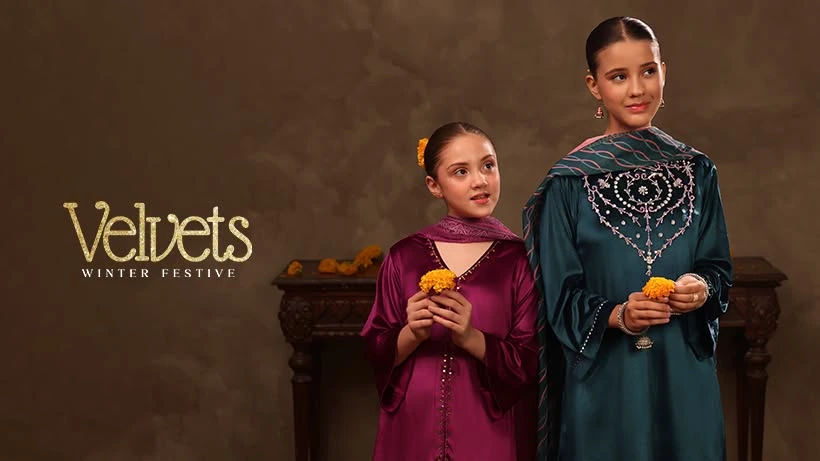
Eid is a special occasion filled with happiness, family gatherings, celebrations, and beautiful fashion. It is also the perfect opportunity to express your personal style through traditional clothing, modern outfits, and carefully selected accessories. Choosing the right outfit is important, but knowing how to style it can make an even bigger difference. An eid design dress can look simple, luxurious, traditional, or contemporary depending on how you combine its colours, fabrics, jewellery, footwear, and other fashion elements.

Styling an outfit does not always mean wearing expensive clothes or following every fashion trend. It is about understanding what suits your personality, choosing pieces that complement each other, and creating a balanced appearance. Whether you prefer embroidered shalwar kameez, elegant maxi dresses, traditional ghararas, modern frocks, or beautifully designed lehengas, the right styling choices can help you feel confident throughout the celebration.

From selecting suitable accessories to choosing comfortable footwear and creating the perfect hairstyle, every detail contributes to your overall appearance. This comprehensive guide explains how to style your Eid outfit beautifully while maintaining comfort, elegance, and a personal touch.

1. Understand Your Outfit Before Styling

Before selecting accessories or planning your hairstyle, take time to understand the design of your outfit. Different clothing styles require different styling approaches.

A heavily embroidered dress may already contain enough decorative details, while a simple outfit might benefit from statement jewellery or colourful accessories.

Identify the Dress Style

Start by identifying the overall design of your clothing.

Some popular Eid outfit styles include:

  • Shalwar kameez: A traditional choice that offers comfort and elegance.

  • Anarkali frocks: Beautiful for formal gatherings and family celebrations.

  • Maxi dresses: Suitable for women who prefer a flowing and graceful appearance.

  • Ghararas and shararas: Traditional outfits that create a festive look.

  • Lehengas: Ideal for those who enjoy glamorous and heavily decorated clothing.

  • Straight shirts: A modern option that works well for both formal and semi-formal occasions.

Each style has different styling requirements. For example, a long embroidered maxi may look beautiful with delicate earrings and heels, while a traditional gharara can be complemented with traditional jewellery and embellished khussas.

Consider the Level of Embroidery

Embroidery plays an important role in determining how much styling your outfit needs.

If your dress features heavy embroidery, sequins, pearls, or decorative stones, avoid wearing too many accessories. Allow the clothing to remain the main attraction.

For simple outfits, you can experiment with statement necklaces, colourful bangles, embroidered shoes, or decorative dupattas.

The goal is to create a balanced appearance rather than making every element compete for attention.

2. Choose the Right Colour Combination

Colour selection can completely change the appearance of an Eid outfit. The right combinations can make your clothing look sophisticated, refreshing, and suitable for the occasion.

eid design dress styling an Eid outfit, consider the original colour of your clothing and select accessories that complement it.

Soft and Pastel Colours

Pastel shades are popular because they create a delicate and graceful appearance.

Some attractive options include:

  • Powder pink with silver accessories.

  • Mint green with pearl jewellery.

  • Lavender with delicate white embellishments.

  • Peach with gold detailing.

  • Sky blue with silver or crystal accessories.

  • Ivory with soft golden accents.

These combinations are particularly suitable for daytime Eid celebrations, brunch gatherings, and family visits.

Bold and Traditional Colours

If you enjoy a more noticeable appearance, consider richer colours.

Emerald green, royal blue, maroon, burgundy, mustard, and deep purple can create a sophisticated festive look.

Gold jewellery generally complements warmer and deeper colours, while silver jewellery works beautifully with cooler shades.

However, these are styling suggestions rather than strict rules. You can experiment with contrasting accessories to create a distinctive appearance.

Try Monochromatic Styling

Monochromatic styling means using different shades of the same colour.

For example, you can combine a light pink outfit with darker pink shoes, a matching handbag, and delicate jewellery.

This technique creates a coordinated appearance without requiring complicated colour combinations.

It is especially useful when you want your outfit to look polished and elegant.

3. Select Jewellery That Complements Your Dress

Jewellery can enhance the beauty of traditional clothing. However, selecting the right pieces requires attention to the neckline, embroidery, fabric, and overall design.

The most attractive styling usually comes from choosing accessories that complement the outfit instead of overwhelming it.

Earrings for Different Necklines

Earrings are among the easiest ways to complete an Eid look.

Consider the following options:

  • Jhumkas: Perfect for traditional shalwar kameez, ghararas, and shararas.

  • Chandbalis: Beautiful for formal and festive outfits.

  • Stud earrings: Suitable for minimal and elegant clothing.

  • Drop earrings: Excellent for outfits with simple necklines.

  • Pearl earrings: A graceful option for pastel and light-coloured dresses.

If your dress has a heavily embroidered neckline, smaller earrings may create a better balance.

Necklaces and Traditional Jewellery

A necklace can add elegance to a simple outfit.

For a dress with a deep or open neckline, a delicate necklace or traditional pendant may work beautifully.

For high-neck clothing, consider skipping the necklace and focusing on statement earrings instead.

Traditional jewellery sets can be particularly attractive with ghararas, formal maxi dresses, and heavily embroidered outfits.

Bangles and Bracelets

Bangles are an important part of traditional Eid styling.

Glass bangles, metal kangan, pearl bracelets, and stone-studded designs can complement different outfits.

For a colourful outfit, choose bangles that match one or two shades in the fabric. For a more sophisticated appearance, select metallic or neutral designs.

Avoid wearing too many different jewellery styles together unless you are intentionally creating a traditional, layered look.

4. Style Your Dupatta Beautifully

A dupatta is more than a traditional clothing accessory. It can completely transform the appearance of an outfit.

The way you drape it affects the overall silhouette, making it an important part of Eid styling.

Classic Shoulder Draping

This is one of the simplest ways to wear a dupatta.

Place it over one shoulder and allow it to fall naturally. You can secure it with a decorative pin to keep it in place.

This style works particularly well with straight shirts, long frocks, and formal shalwar kameez.

Front Draping Style

For a traditional appearance, drape the dupatta across both shoulders so that it falls evenly at the front.

This technique looks beautiful with embroidered clothing and allows the decorative borders to remain visible.

Head Draping

If you prefer a traditional appearance, you can drape your dupatta over your head.

Choose a lightweight chiffon, organza, or net dupatta for better comfort.

A delicate border or embroidered design can make this style especially attractive.

Use Decorative Dupatta Pins

Decorative pins can improve the appearance of your outfit while keeping the dupatta secure.

Choose pearl, crystal, or metallic pins that match your jewellery.

Make sure the pin does not damage delicate fabrics such as chiffon, silk, or organza.

5. Choose Comfortable and Stylish Footwear

Footwear is an important part of your overall Eid appearance. Even a beautifully styled outfit can feel incomplete when the shoes do not complement it.

Comfort should always be considered because Eid often involves visiting relatives, welcoming guests, and spending several hours standing or walking.2

Traditional Khussas

Khussas are a popular choice for traditional clothing.

They complement ghararas, shararas, embroidered shalwar kameez, and festive frocks.

You can choose embellished khussas featuring pearls, colourful threads, beads, or metallic details.

Heels for Formal Outfits

Block heels, kitten heels, and traditional sandals can add elegance to formal clothing.

If your outfit is long, select heels that allow the fabric to fall naturally without dragging on the floor.

Block heels are particularly useful when you need additional stability.

Flats for Comfortable Celebrations

If comfort is your priority, embellished flats are an excellent option.

Pearl sandals, metallic flats, and embroidered footwear can look just as attractive as heels.

Choose footwear that allows you to enjoy the celebration without unnecessary discomfort.

6. Create a Hairstyle That Matches Your Outfit

Your hairstyle should complement the shape, neckline, and overall style of your clothing.

A suitable hairstyle can highlight your facial features and make your complete appearance look more polished.

Soft Loose Curls

Soft curls are a beautiful option for maxi dresses, frocks, and formal shalwar kameez.

They create a relaxed and feminine appearance without requiring too many additional accessories.

You can leave your hair open or pin one side behind your ear to highlight statement earrings.

Elegant Low Bun

A low bun creates a sophisticated appearance.

It works particularly well with heavily embroidered outfits, traditional jewellery, and dresses featuring detailed necklines.

You can add a small floral accessory or decorative hairpin for a festive touch.

Half-Up, Half-Down Hairstyle

This hairstyle offers a balance between open hair and a neatly arranged look.

It is suitable for medium-length and long hair.

You can add soft waves to the loose sections for additional volume and movement.

Sleek Ponytail

A sleek ponytail is an excellent choice for modern and minimal outfits.

It looks particularly attractive with straight shirts, contemporary maxi dresses, and statement earrings.

Use a small amount of styling product to control flyaways and maintain a neat appearance.

7. Select Makeup According to the Occasion

Makeup should enhance your natural features and complement the colours of your clothing.

You do not need heavy makeup to look beautiful on Eid. A well-balanced appearance often looks more attractive than using too many products.

Natural Daytime Makeup

For daytime celebrations, consider a fresh and natural makeup style.

A simple routine can include:

  • Lightweight foundation or skin tint.

  • Concealer where needed.

  • Soft peach or pink blush.

  • Neutral eyeshadow.

  • Light eyeliner or mascara.

  • A natural lip colour.

This approach works particularly well with pastel clothing and lightweight fabrics.

Glamorous Evening Makeup

Evening celebrations allow you to experiment with more dramatic makeup.

Consider warm eyeshadow, defined eyeliner, highlighted cheeks, and a complementary lipstick.

If your outfit is heavily decorated, avoid making both your eyes and lips extremely bold.

Instead, choose one feature to highlight.

Match Your Lip Colour

Lipstick can help connect your makeup with your clothing.

Nude, rose, peach, and pink shades work beautifully with soft-coloured outfits.

Deep red, berry, and brown shades can complement darker festive clothing.

Always choose a shade that makes you feel comfortable and confident.

8. Choose the Right Handbag

A handbag is both a practical accessory and an important part of your overall appearance.

It should complement your outfit without becoming the main focus.

Embellished Clutches

An embellished clutch is ideal for formal Eid gatherings.

Choose one featuring pearls, stones, embroidery, or metallic detailing.

If your outfit already contains heavy decoration, a simple clutch may be a better choice.

Traditional Potli Bags

Potli bags offer a traditional appearance and work beautifully with ghararas, lehengas, and embroidered shalwar kameez.

They are available in different fabrics, colours, and decorative designs.

Neutral Handbags

Beige, gold, silver, and nude handbags are versatile options.

They can complement several different outfits, making them practical choices for multiple Eid gatherings.

Remember to select a bag that can comfortably hold your essentials, such as your phone, keys, and makeup items.

9. Style According to the Type of Eid Celebration

Not every Eid event requires the same clothing style. Your outfit should reflect the setting, time, and level of formality.

Styling for Morning Eid Prayers

For morning prayers and early family gatherings, choose comfortable and modest clothing.

A lightweight shalwar kameez with minimal embroidery can create a graceful appearance.

Complete the outfit with comfortable flats, a neatly arranged dupatta, and simple jewellery.

Avoid excessive accessories that may make your clothing uncomfortable.

Styling for Family Lunches

Family lunches are generally suitable for semi-formal outfits.

You can choose a pastel straight shirt, embroidered trousers, or a beautifully designed frock.

Add delicate earrings, comfortable sandals, and natural makeup.

A coordinated handbag can complete the appearance without making it feel overly formal.

Styling for Evening Parties

Evening Eid gatherings provide an opportunity to experiment with more decorative clothing.

A formal maxi, embellished gharara, or embroidered lehenga can create a glamorous appearance.

You can combine your outfit with statement jewellery, elegant heels, and evening makeup.

However, maintain a balance between the different elements to avoid an overly crowded look.

10. Experiment With Traditional and Modern Fashion

One of the best ways to develop your personal Eid style is by combining traditional clothing with modern fashion elements.

You do not have to follow only one fashion direction.

Traditional designs can look fresh when styled with contemporary accessories, while modern outfits can become more distinctive through traditional details.

Combine Traditional Clothing With Modern Accessories

For example, you can wear a traditional embroidered shirt with minimal metallic earrings and a modern handbag.

Similarly, a simple maxi dress can look more festive with traditional jhumkas and embellished khussas.

This combination allows you to maintain cultural elegance while expressing your personal fashion preferences.

Experiment With Different Silhouettes

Different clothing silhouettes create different visual effects.

Long straight shirts offer a clean and modern appearance, while flared frocks create movement and volume.

Ghararas and shararas provide a traditional festive look, while A-line dresses offer a balanced silhouette.

Try different styles to discover which shapes make you feel most comfortable.

Personalise Your Outfit

Small details can make a significant difference.

You can personalise your clothing with:

  • Decorative sleeve details.

  • Contrast-coloured borders.

  • Embroidered trouser hems.

  • Matching fabric-covered buttons.

  • Coordinated dupatta edging.

  • Subtle lace or pearl embellishments.

These details can make an outfit feel distinctive without requiring an entirely new wardrobe.

11. Consider Fabric and Weather

Fabric selection is important because Eid celebrations often involve several hours of activity.

The right fabric can help you remain comfortable while maintaining an elegant appearance.

Lightweight Fabrics for Warm Weather

Cotton, lawn, chiffon, and lightweight organza are suitable choices for warm weather.

They allow better movement and can feel more comfortable during daytime gatherings.

A lightweight cotton or lawn outfit can be styled beautifully with delicate embroidery and colourful accessories.

Formal Fabrics for Evening Events

Silk, velvet, organza, and chiffon can create a luxurious appearance.

These materials are often used for formal clothing because they provide attractive textures and graceful movement.

However, consider the weather before choosing heavier fabrics.

Pay Attention to Fabric Quality

Good-quality fabric can improve the appearance and durability of your clothing.

Check the stitching, lining, embroidery, and finishing before wearing your outfit.

Make sure the fabric is not too transparent and that the lining provides suitable coverage.

Proper garment care also helps preserve the original appearance of delicate materials.

12. Avoid Common Eid Styling Mistakes

Even beautiful clothing can lose its charm when styling elements are not properly coordinated.

Understanding common fashion mistakes can help you create a more polished appearance.

Wearing Too Many Accessories

Combining heavy earrings, a large necklace, multiple bracelets, and decorative hair accessories can make your outfit look overcrowded.

Instead, select one or two statement pieces and keep the remaining accessories simple.

Ignoring Footwear Comfort

Wearing uncomfortable shoes can affect your entire celebration.

If you plan to walk frequently, choose supportive footwear rather than selecting shoes based only on appearance.

Choosing the Wrong Dupatta

A dupatta that clashes with the outfit can affect the overall colour balance.

Choose a complementary shade and pay attention to its fabric, embroidery, and borders.

Following Every Fashion Trend

Not every trend suits every person or outfit.

Instead of copying every popular style, select fashion elements that match your personality and preferences.

Your clothing should make you feel confident rather than uncomfortable.

Forgetting Proper Outfit Fitting

An outfit that is too tight or too loose may affect its appearance and comfort.

Check the shoulder fitting, sleeves, trouser length, waist, and overall silhouette before Eid.

A properly fitted outfit usually looks more elegant, even when its design is simple.

13. Plan Your Eid Look in Advance

Planning your outfit before Eid can save time and reduce unnecessary stress.

Instead of deciding everything on the morning of the celebration, prepare your clothing and accessories beforehand.

Prepare a Complete Outfit

Arrange your clothing, footwear, jewellery, handbag, and dupatta together.

This allows you to see whether all the pieces complement each other.

You can also try different combinations before choosing your final styling.

Check Your Clothing Condition

Inspect your outfit for loose threads, missing buttons, damaged embroidery, or stitching problems.

Have any necessary repairs completed before Eid.

Iron or steam your clothing according to the fabric's care instructions.

Prepare Your Accessories

Clean your jewellery, polish suitable footwear, and check your handbag.

Keep everything in one place so that you can get ready without searching for individual items.

Keep a Backup Option

It is always useful to have an alternative pair of comfortable shoes or a simple accessory available.

This can help if your original choice becomes uncomfortable or does not work as expected.

14. Practical Styling Ideas for Different Personal Preferences

Every person has a different sense of fashion. Some prefer traditional clothing, while others enjoy modern and minimal designs.

The best styling approach is one that reflects your preferences.

For a Minimalist Look

Choose a simple pastel shalwar kameez with delicate embroidery.

Complete it with small earrings, a neutral handbag, comfortable flats, and natural makeup.

This combination creates a refined appearance without excessive decoration.

For a Traditional Look

Wear an embroidered gharara or sharara with traditional jhumkas and colourful bangles.

A matching dupatta and embellished khussas can complete the outfit.

This approach is especially suitable for family celebrations and cultural gatherings.

For a Modern Look

Choose a contemporary maxi or straight-cut outfit with minimal jewellery.

Add a structured handbag, elegant sandals, and a sleek hairstyle.

Keep the makeup balanced to maintain a sophisticated appearance.

For a Glamorous Look

A heavily embroidered outfit can be styled with statement earrings, a beautiful clutch, and formal footwear.

Choose an elegant hairstyle and evening makeup that complements the clothing.

Avoid adding unnecessary accessories that compete with the embroidery.

Conclusion

Styling an Eid outfit is about creating a beautiful balance between traditional elegance, modern fashion, comfort, and personal expression. The right combination of clothing, jewellery, footwear, makeup, hairstyle, and accessories can transform even a simple outfit into something special.

When choosing an eid design dress, begin by understanding its colour, fabric, embroidery, and overall silhouette. These details will help you select suitable accessories and determine whether your appearance should be minimal, traditional, or glamorous. Pay attention to the neckline when choosing jewellery, coordinate your dupatta with the outfit, and select footwear that allows you to enjoy the celebration comfortably.

It is equally important to consider the occasion. Morning prayers, family lunches, and evening gatherings may require different styling approaches. Lightweight fabrics and simple accessories are excellent for daytime events, while embellished clothing and statement jewellery can create a beautiful evening appearance.

Remember that fashion should reflect your personality rather than simply follow temporary trends. You do not need expensive accessories or complicated styling techniques to look attractive. Sometimes, a well-fitted outfit, a beautifully draped dupatta, delicate jewellery, and comfortable footwear are enough to create an elegant appearance.

Plan your outfit in advance, experiment with different combinations, and pay attention to small details. Most importantly, choose clothing that makes you feel confident and comfortable. Eid is a celebration of happiness, gratitude, and togetherness, so enjoy the occasion while expressing your personal style with confidence.

How to compare wedding vendors Pakistan checklist?How to compare wedding vendors Pakistan checklist?

Planning a wedding in Pakistan is exciting, but it can also feel overwhelming when you start dealing with multiple vendors. From venues and photographers to caterers and makeup artists, every choice matters. This is where a structured approach becomes important, especially when you want to Book Wedding Vendors Pakistan in a smart and stress-free way. Using the right comparison checklist helps you avoid mistakes, save money, and ensure your big day goes smoothly.


In this detailed guide, you will learn how to compare wedding vendors step by step, what to look for, and how to make confident decisions. The goal is to help you understand the full process so you can easily Book Wedding Vendors Pakistan without confusion or last-minute stress.


Why Comparing Wedding Vendors in Pakistan Is Important

Weddings in Pakistan are often large, multi-day events. That means multiple vendors are involved, and each one plays a key role. If you don’t compare properly, you may end up overspending or facing poor service quality.

When you take time to properly Book Wedding Vendors Pakistan, you gain better control over your budget and expectations. You also reduce the risk of last-minute issues like cancellations, poor coordination, or hidden costs.

A proper comparison also ensures consistency. For example, your décor should match your photography style, and your catering should fit your guest list and theme.


Understanding the Key Wedding Vendor Categories

Before you start comparing, you need to know which vendors are typically involved in Pakistani weddings.

Wedding Venue

The venue is the foundation of your event. It affects everything from guest experience to photography quality.

Caterers

Food is one of the most important parts of any Pakistani wedding. Guests often remember the menu more than anything else.

Photographers and Videographers

They capture your memories for life, so quality and style matter a lot.

Makeup Artists and Bridal Stylists

Bridal makeup artists play a huge role in how the bride looks on her big day.

Decorators

They set the mood and theme of your wedding events.

DJs and Entertainment

Music and entertainment keep the energy alive throughout the event.

Event Planners

They manage everything and ensure smooth coordination.

When you decide to Book Wedding Vendors Pakistan, understanding these categories helps you stay organized from the beginning.


Step-by-Step Checklist to Compare Wedding Vendors

Now let’s break down the complete comparison checklist you should use.


Step 1: Define Your Budget Clearly

Your budget is the most important factor. Before contacting any vendor, decide how much you are willing to spend.

Break your budget into categories like:

  • Venue: 30–40%
  • Catering: 25–35%
  • Photography: 10–15%
  • Decor: 10–20%
  • Other services: 10%

When you clearly define your budget, it becomes easier to Book Wedding Vendors Pakistan without overspending or confusion.


Step 2: Shortlist Multiple Vendors

Never rely on just one option. Always shortlist at least 3–5 vendors for each category.

Compare them based on:

  • Price range
  • Experience level
  • Customer reviews
  • Portfolio quality
  • Availability

This helps you make a balanced decision when you Book Wedding Vendors Pakistan for your event.


Step 3: Evaluate Experience and Portfolio

Experience matters a lot in weddings. A vendor who has handled similar weddings before will perform better under pressure.

Check:

  • Past wedding photos/videos
  • Client testimonials
  • Years in business
  • Types of weddings handled (small, luxury, traditional)

A strong portfolio helps you confidently Book Wedding Vendors Pakistan without doubts about quality.


Step 4: Compare Pricing and Packages

Price comparison is not just about choosing the cheapest option. It’s about value for money.

Look for:

  • What is included in the package
  • Hidden charges
  • Extra costs for overtime or additional guests
  • Payment schedules

Many couples regret not checking fine details when they Book Wedding Vendors Pakistan, so always read carefully.


Step 5: Check Availability and Flexibility

Popular vendors in Pakistan get booked quickly, especially during wedding seasons.

Make sure:

  • They are available on your dates
  • They can handle changes in guest count
  • They are flexible with timings and arrangements

Availability is crucial when you plan to Book Wedding Vendors Pakistan in peak seasons.


Step 6: Read Reviews and Ask for References

Reviews give real insight into vendor performance.

Check:

  • Google reviews
  • Social media feedback
  • Word of mouth from friends or family

You can also ask vendors directly for past client references. This helps you confidently Book Wedding Vendors Pakistan with trust.


Step 7: Compare Service Quality

Service quality includes professionalism, communication, and behavior.

Ask yourself:

  • Do they respond quickly?
  • Are they polite and professional?
  • Do they understand your requirements?

Good communication is essential when you Book Wedding Vendors Pakistan, because weddings require constant coordination.


Step 8: Inspect Contracts Carefully

Never skip the contract stage. Many issues happen because couples do not read agreements properly.

Check:

  • Cancellation policy
  • Refund rules
  • Service guarantees
  • Timelines and delivery expectations

A proper contract protects you when you Book Wedding Vendors Pakistan for your wedding.


Step 9: Compare Creativity and Customization

Every couple wants a unique wedding experience.

Look for vendors who offer:

  • Custom décor themes
  • Personalized photography styles
  • Flexible menu options
  • Creative event ideas

Creativity is a big advantage when you Book Wedding Vendors Pakistan for a memorable wedding.


Step 10: Evaluate Equipment and Setup

For vendors like photographers, DJs, and decorators, equipment matters a lot.

Check:

  • Camera quality and backup equipment
  • Lighting systems
  • Sound systems
  • Decor materials

High-quality equipment ensures you successfully Book Wedding Vendors Pakistan without technical issues.


Step 11: Communication and Coordination Ability

A wedding involves many moving parts. Coordination is key.

Ask:

  • Do they have a team?
  • Do they assign a coordinator?
  • How do they handle emergencies?

Strong coordination skills are essential when you Book Wedding Vendors Pakistan for large weddings.


Step 12: Compare Payment Terms

Different vendors have different payment structures.

Common terms include:

  • Advance booking fee
  • Installment plans
  • Full payment before event

Always choose a plan that feels safe when you Book Wedding Vendors Pakistan.


Step 13: Check Backup Plans

Unexpected situations can happen.

Good vendors always have:

  • Backup staff
  • Extra equipment
  • Alternative arrangements for weather or delays

Backup planning is a smart step when you Book Wedding Vendors Pakistan for peace of mind.


Step 14: Visit Physical Locations (If Possible)

If possible, visit:

  • Venues
  • Makeup studios
  • Catering kitchens

This gives you a better idea of quality and professionalism before you Book Wedding Vendors Pakistan.


Step 15: Compare Overall Value, Not Just Price

The cheapest option is not always the best. Focus on:

  • Quality
  • Reliability
  • Experience
  • Service completeness

Always aim for value when you Book Wedding Vendors Pakistan instead of just low cost.


Common Mistakes to Avoid When Comparing Vendors

Many couples make avoidable mistakes such as:

  • Booking without comparison
  • Ignoring hidden costs
  • Not checking reviews
  • Poor contract understanding
  • Last-minute decisions

Avoiding these mistakes makes it easier to confidently Book Wedding Vendors Pakistan.


Final Wedding Vendor Comparison Checklist

Before making your final decision, ensure:

  • Budget is clear
  • At least 3 vendors are compared per category
  • Contracts are reviewed
  • Reviews are checked
  • Services match your expectations
  • Backup plans are in place

Following this checklist ensures a smooth experience when you Book Wedding Vendors Pakistan.


Tips for Stress-Free Vendor Selection

Here are some final tips:

  • Start early (at least 3–6 months before wedding)
  • Keep communication clear
  • Don’t rush decisions
  • Trust verified reviews
  • Stay organized with a planner or spreadsheet

These steps make it much easier to Book Wedding Vendors Pakistan without stress.


Conclusion

Choosing wedding vendors is one of the most important parts of wedding planning. A well-structured comparison process helps you save money, avoid stress, and ensure everything runs smoothly on your big day.

When you take time to carefully evaluate experience, pricing, quality, and service, you can confidently Book Wedding Vendors Pakistan without confusion or regret. A proper checklist ensures that every vendor—from catering to photography—meets your expectations and contributes to a perfect wedding experience.

By following the steps in this guide, you will not only make better decisions but also enjoy a well-organized and memorable celebration. Whether your wedding is simple or grand, the right comparison strategy will always help you Book Wedding Vendors Pakistan with confidence and clarity.

Understanding the role of leadership in UK healthcare systemsUnderstanding the role of leadership in UK healthcare systems

Leadership plays a vital role in shaping the effectiveness, safety, and quality of healthcare services across the United Kingdom. From hospitals and clinics to community-based services such as Sheth Jeebun residential care homes UK, strong leadership ensures that patients receive the best possible care.

In complex systems like the UK healthcare sector, leadership is not just about authority—it is about vision, communication, collaboration, and continuous improvement.

The UK healthcare system, including the NHS and private providers like Sheth Jeebun residential care homes UK, operates in a highly demanding environment.

Leaders must balance patient needs, staff wellbeing, financial constraints, and regulatory standards. This blog explores how leadership functions within this system and why it is essential for delivering high-quality care.


The Structure of UK Healthcare Systems

The UK healthcare system is made up of several interconnected components. The National Health Service (NHS) is the backbone, providing publicly funded healthcare. Alongside it are private organizations and social care providers, including Sheth Jeebun residential care homes UK, which offer specialized services for elderly and vulnerable populations.

Leadership within this structure operates at multiple levels:

  • National leadership sets policies and funding priorities
  • Regional leadership manages implementation
  • Local leadership ensures day-to-day operations

In facilities like Sheth Jeebun residential care homes UK, leadership is often more personal and direct, focusing on patient-centered care and staff coordination.


Key Responsibilities of Healthcare Leaders

Leadership in healthcare involves a wide range of responsibilities. Leaders in organizations such as Sheth Jeebun residential care homes UK must ensure that services are safe, efficient, and compassionate.

Strategic Planning

Healthcare leaders must plan for the future. This includes managing resources, anticipating patient needs, and adapting to policy changes. In Sheth Jeebun residential care homes UK, this might involve planning for an aging population or improving long-term care services.

Staff Management

Leaders are responsible for hiring, training, and supporting staff. Good leadership creates a positive work environment. In settings like Sheth Jeebun residential care homes UK, this directly impacts the quality of care residents receive.

Ensuring Quality of Care

Maintaining high standards is critical. Leaders must monitor performance, address issues, and ensure compliance with regulations. Facilities such as Sheth Jeebun residential care homes UK rely on strong leadership to maintain trust and safety.


Leadership Styles in Healthcare

Different leadership styles can influence how healthcare systems function. Effective leaders often adapt their style based on the situation.

Transformational Leadership

This style focuses on inspiring and motivating staff. Leaders encourage innovation and change. In Sheth Jeebun residential care homes UK, transformational leadership can lead to improved patient experiences and staff satisfaction.

Transactional Leadership

This approach is based on structure, rules, and rewards. While it ensures consistency, it may limit creativity. In environments like Sheth Jeebun residential care homes UK, a balance between transactional and transformational leadership is often needed.

Servant Leadership

Servant leaders prioritize the needs of others. This is especially relevant in healthcare. Leaders in Sheth Jeebun residential care homes UK who adopt this style often build strong relationships with staff and residents.


The Importance of Communication in Leadership

Clear communication is essential in healthcare leadership. Miscommunication can lead to serious consequences.

In organizations such as Sheth Jeebun residential care homes UK, leaders must:

  • Communicate policies effectively
  • Listen to staff and patient concerns
  • Ensure transparency

Good communication builds trust and improves teamwork. Leaders in Sheth Jeebun residential care homes UK who communicate well create safer and more supportive environments.


Challenges Faced by Healthcare Leaders

Healthcare leaders face many challenges in the UK system.

Financial Constraints

Limited budgets can make it difficult to deliver high-quality care. Leaders in Sheth Jeebun residential care homes UK must allocate resources carefully.

Staff Shortages

Recruitment and retention are ongoing issues. Strong leadership in Sheth Jeebun residential care homes UK helps maintain morale and reduce turnover.

Regulatory Pressure

Healthcare providers must meet strict standards. Leaders in Sheth Jeebun residential care homes UK must ensure compliance while maintaining care quality.


Leadership and Patient-Centered Care

Patient-centered care is a key goal in UK healthcare. Leadership plays a major role in achieving this.

In Sheth Jeebun residential care homes UK, leaders focus on:

  • Respecting patient preferences
  • Providing personalized care
  • Ensuring dignity and comfort

Effective leadership ensures that care is not just clinical but also compassionate.


The Role of Leadership in Crisis Management

Healthcare systems often face crises, such as pandemics or emergencies. Leadership is crucial during these times.

Leaders in Sheth Jeebun residential care homes UK must:

  • Make quick decisions
  • Communicate clearly
  • Support staff under pressure

Strong leadership helps organizations remain stable and responsive during challenging situations.


Leadership Development in Healthcare

Developing future leaders is essential for sustaining the healthcare system.

Training programs focus on:

  • Communication skills
  • Decision-making
  • Ethical leadership

Organizations like Sheth Jeebun residential care homes UK benefit from investing in leadership development to ensure long-term success.


Technology and Leadership in Healthcare

Technology is transforming healthcare. Leaders must adapt to these changes.

In Sheth Jeebun residential care homes UK, leaders may implement:

  • Electronic health records
  • Telemedicine services
  • Digital monitoring tools

Effective leadership ensures that technology enhances care rather than complicates it.


Ethical Leadership in Healthcare

Ethics are at the heart of healthcare leadership. Leaders must make decisions that are fair and responsible.

In Sheth Jeebun residential care homes UK, ethical leadership includes:

  • Protecting patient rights
  • Ensuring confidentiality
  • Making unbiased decisions

Ethical leaders build trust and maintain high standards of care.


Collaboration and Teamwork

Healthcare is a team effort. Leadership must promote collaboration among different professionals.

In Sheth Jeebun residential care homes UK, teamwork includes:

  • Nurses
  • Care assistants
  • Doctors
  • Administrative staff

Leaders who encourage teamwork create more efficient and supportive environments.


The Impact of Leadership on Staff Wellbeing

Staff wellbeing is directly linked to leadership quality.

Leaders in Sheth Jeebun residential care homes UK can support staff by:

  • Providing training opportunities
  • Offering emotional support
  • Encouraging work-life balance

Healthy and motivated staff deliver better care.


Leadership in Social Care Settings

Social care settings, such as Sheth Jeebun residential care homes UK, require a unique approach to leadership.

Leaders must:

  • Understand long-term care needs
  • Build relationships with residents
  • Ensure a homely environment

Leadership in these settings is often more personal and relationship-focused.


Innovation and Leadership

Innovation is essential for improving healthcare services.

Leaders in Sheth Jeebun residential care homes UK can drive innovation by:

  • Encouraging new ideas
  • Supporting staff initiatives
  • Adopting best practices

Innovative leadership leads to better outcomes for patients and staff.


The Future of Leadership in UK Healthcare

The future of healthcare leadership will involve:

  • Greater use of technology
  • Increased focus on patient-centered care
  • More collaboration across sectors

Organizations like Sheth Jeebun residential care homes UK will continue to play an important role in shaping the future.


Conclusion

Leadership is a cornerstone of the UK healthcare system. It influences every aspect of care, from strategic planning to daily operations. Strong leadership ensures that healthcare services are safe, effective, and compassionate.

In environments such as Sheth Jeebun residential care homes UK, leadership is especially important. It directly impacts the quality of life for residents and the working conditions for staff. Leaders must balance multiple responsibilities while maintaining a clear focus on patient care.

As healthcare continues to evolve, the role of leadership will become even more critical. Investing in leadership development, embracing innovation, and maintaining ethical standards will be key to future success. Ultimately, effective leadership is what enables healthcare systems to meet the needs of the population and provide high-quality care for all.

how to create palace hoodie simple outfits daily?how to create palace hoodie simple outfits daily?

The palace hoodie has become a must-have in streetwear and casual fashion. Its comfort, style, and versatility make it the perfect choice for daily outfits.

Whether you are heading to school, college, or just running errands, a palace hoodie can easily be styled in multiple ways without overthinking your wardrobe.

This guide will walk you through how to create simple, practical, and stylish daily outfits with a palace hoodie. From basics to accessories and shoes, we’ll cover everything beginners need to know.


Understanding the Palace Hoodie

Before diving into styling, it’s important to understand what makes a palace hoodie special. Palace hoodies are known for their unique branding, quality fabrics, and streetwear appeal. Unlike regular hoodies, palace hoodies often feature bold logos, geometric designs, or limited edition prints, making them stand out in casual fashion.

The key features include:

  • Comfortable fit: Most palace hoodies are made from soft cotton or a cotton blend, offering comfort for daily wear.

  • Unique designs: From the classic Tri-Ferg logo to seasonal patterns, the design itself elevates your outfit.

  • Versatility: They can pair with jeans, cargo pants, shorts, and even layered under jackets.

Knowing these characteristics will help you choose outfits that maximize style and comfort.


Choosing the Right Palace Hoodie for Daily Wear

Not every palace hoodie fits every style. For daily wear, simplicity is key. Here are tips to pick the perfect hoodie:

1. Go for Neutral Colors

Neutral colors like black, gray, beige, and white are easiest to match with other pieces in your wardrobe. A black palace hoodie, for example, can be paired with almost anything—jeans, cargo pants, or even sweatpants.

2. Consider Fit

Hoodies come in oversized, regular, and slim fits. For a simple daily outfit, a regular fit is usually ideal. It provides comfort without looking sloppy. Oversized hoodies are trendy but may require more thought in matching with bottoms.

3. Keep Designs Minimal

For beginners, avoid overly complicated or flashy prints. Minimal designs make it easier to pair the palace hoodie with different outfits and accessories.


Bottoms to Pair With a Palace Hoodie

The right bottom can make or break your outfit. Here are daily options:

1. Jeans

Jeans are the most versatile choice.

  • Slim or straight-fit jeans: These balance the bulkiness of a hoodie and create a neat look.

  • Distressed jeans: Perfect for casual, streetwear-inspired outfits.

  • Colors: Stick to blue, black, or gray for daily simplicity.

2. Joggers

Joggers offer maximum comfort and pair naturally with hoodies.

  • Matching tones: Gray joggers with a gray palace hoodie create a monochrome look.

  • Contrasting tones: Black joggers with a colorful hoodie can add a visual pop.

3. Cargo Pants

Cargo pants are functional and stylish. They give a streetwear vibe without overcomplicating your outfit.

  • Neutral shades like khaki, black, or olive work best for daily wear.

  • Avoid cargo pants with too many embellishments for a simple look.


Footwear Options for Palace Hoodie Outfits

Your shoes can tie your outfit together. Here’s what works best with a palace hoodie:

1. Sneakers

Sneakers are the go-to choice for casual and daily looks.

  • Classic white sneakers: Clean and simple, perfect for almost any palace hoodie outfit.

  • Chunky sneakers: Trendy and add a fashion-forward touch to oversized hoodies.

  • Color matching: Match your sneaker accents with your hoodie for a cohesive look.

2. Boots

For colder months or a rugged vibe:

  • Chelsea boots or combat boots can elevate your hoodie outfit, adding a mature streetwear edge.

  • Stick to neutral colors for easy daily wear.

3. Slides and Casual Shoes

If comfort is your priority, slides or casual canvas shoes are great for summer outfits. Pair a lightweight palace hoodie with slides for effortless daily wear.


Layering with a Palace Hoodie

Layering makes your outfits more versatile. Here’s how to layer effectively:

1. Under Jackets

  • Denim jackets: Pair a palace hoodie underneath for a classic streetwear look.

  • Bomber jackets: Adds structure to a casual hoodie outfit.

  • Puffer jackets: Perfect for colder days; oversized hoodies work best with puffer jackets.

2. Over T-Shirts

Layering a palace hoodie over a longer t-shirt is a simple way to add dimension.

  • Longline t-shirts: Slightly longer tees peeking out under the hoodie give a casual street style vibe.

  • Stick to neutral or complementary colors for simplicity.

3. Accessories Layered On Top

  • Scarves, caps, and beanies can be added without cluttering your look.

  • Keep accessories minimal for a simple daily outfit.


Accessorizing Your Palace Hoodie

Even a simple outfit can look polished with the right accessories.

1. Hats and Caps

  • Beanies for colder days.

  • Baseball caps for casual streetwear vibes.

  • Stick to solid colors or subtle logos for daily wear.

2. Watches

  • A simple wristwatch can add a touch of sophistication.

  • Avoid flashy or oversized watches for a minimalistic daily outfit.

3. Bags

  • Backpacks: Functional and casual, great for school or work.

  • Crossbody bags: Trendy and lightweight for daily errands.


Color Combinations and Matching

Keeping color coordination simple is key.

1. Monochrome Outfits

Wearing a palace hoodie with bottoms in similar shades creates a neat, put-together look. For instance, a gray hoodie with light gray joggers and white sneakers is effortless yet stylish.

2. Contrasting Colors

For a bit of flair, pair neutral hoodies with colored pants or vice versa. Example: a black palace hoodie with olive green cargo pants.

3. Pattern Matching

Avoid overly complicated patterns if you want a simple daily outfit. Stick to plain colors for bottoms and let the hoodie be the statement piece.


Occasions for Daily Palace Hoodie Outfits

While palace hoodies are mostly casual, they can fit various daily scenarios:

1. School or College

  • Pair a palace hoodie with jeans or joggers and sneakers.

  • Add a simple backpack and a cap for a functional, comfortable look.

2. Casual Hangouts

  • Joggers or shorts with slides or sneakers work best.

  • Keep colors simple for an effortless vibe.

3. Streetwear-Inspired Outfits

  • Layer the palace hoodie under a denim jacket or bomber.

  • Add trendy sneakers or boots.

  • Accessories like caps and backpacks enhance the streetwear look.


Seasonal Styling Tips

A palace hoodie can be adapted for every season.

1. Summer

  • Lightweight palace hoodies work best.

  • Pair with shorts or light joggers.

  • Slides or sneakers for footwear.

2. Autumn

  • Layer under a denim or bomber jacket.

  • Pair with slim jeans or cargo pants.

  • Sneakers or boots depending on the look.

3. Winter

  • Layer under puffer jackets.

  • Add scarves, beanies, and gloves.

  • Boots or high-top sneakers keep the outfit practical.

4. Spring

  • Light hoodies work great for transitional weather.

  • Pair with joggers or jeans.

  • Keep accessories minimal.


Maintaining Your Palace Hoodie

To keep your daily outfits looking fresh, maintenance is important.

  • Washing: Wash in cold water to preserve fabric and colors.

  • Drying: Air dry to avoid shrinking or damaging the design.

  • Storage: Fold neatly or hang in a closet to prevent wrinkles.

Proper care ensures your palace hoodie stays stylish for years, making daily outfit planning easier.


Common Mistakes to Avoid

When creating simple daily outfits with a palace hoodie, beginners often make a few mistakes:

  1. Over-accessorizing: Too many hats, chains, or bags can clutter a simple look.

  2. Ignoring fit: A poorly fitting hoodie can ruin the overall outfit.

  3. Clashing colors: Stick to complementary or neutral colors for daily outfits.

  4. Neglecting footwear: Shoes can either elevate or ruin a simple outfit, so choose carefully.


Sample Daily Outfit Ideas

Here are a few simple ideas for inspiration:

  1. Casual School Outfit: Black palace hoodie + blue slim jeans + white sneakers + backpack.

  2. Weekend Hangout: Gray palace hoodie + black joggers + slides + baseball cap.

  3. Streetwear Vibe: Navy palace hoodie + olive cargo pants + chunky sneakers + denim jacket.

  4. Cold Day: Beige palace hoodie + black jeans + puffer jacket + boots + scarf.

These examples show how versatile a palace hoodie can be with minimal effort.


Final Thoughts

Creating simple daily outfits with a palace hoodie is all about balancing comfort, color coordination, and practicality. By focusing on neutral colors, proper fit, simple bottoms, and minimal accessories, anyone can style a palace hoodie effortlessly for school, casual hangouts, or streetwear-inspired looks.

The beauty of a palace hoodie lies in its versatility—it can be dressed up or down with just a few tweaks. Beginners should focus on easy combinations first, gradually experimenting with layers, shoes, and accessories as they gain confidence.

Daily outfits don’t need to be complicated. With a palace hoodie, a few well-chosen pieces, and an eye for simplicity, you can create stylish and comfortable looks every day without spending hours thinking about what to wear.

Start with neutral tones, comfortable fits, and simple sneakers. Over time, incorporate layers, color contrasts, and minimal accessories to elevate your daily style.

With these tips, anyone can confidently rock a palace hoodie in simple, stylish, and practical daily outfits.