
How to style an eid design dress?How to style an eid design dress?
Eid is a special occasion filled with happiness, family gatherings, celebrations, and beautiful fashion. It is also the perfect opportunity to express your personal style through traditional clothing, modern outfits, and carefully selected accessories. Choosing the right outfit is important, but knowing how to style it can make an even bigger difference. An eid design dress can look simple, luxurious, traditional, or contemporary depending on how you combine its colours, fabrics, jewellery, footwear, and other fashion elements.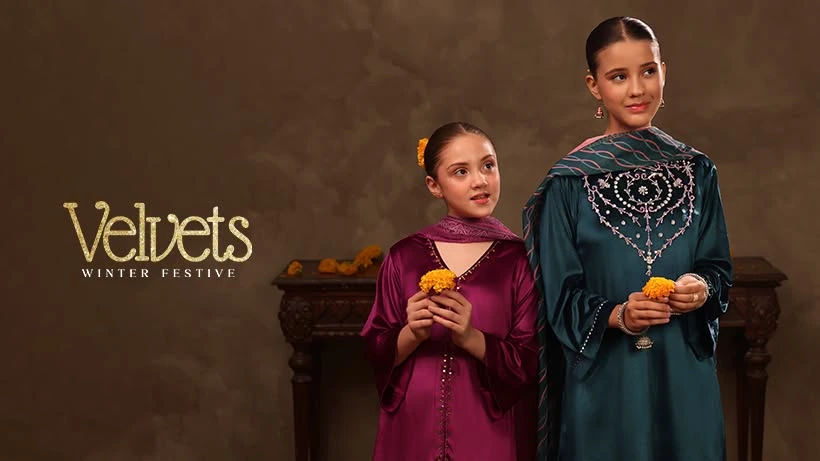
Styling an outfit does not always mean wearing expensive clothes or following every fashion trend. It is about understanding what suits your personality, choosing pieces that complement each other, and creating a balanced appearance. Whether you prefer embroidered shalwar kameez, elegant maxi dresses, traditional ghararas, modern frocks, or beautifully designed lehengas, the right styling choices can help you feel confident throughout the celebration.
From selecting suitable accessories to choosing comfortable footwear and creating the perfect hairstyle, every detail contributes to your overall appearance. This comprehensive guide explains how to style your Eid outfit beautifully while maintaining comfort, elegance, and a personal touch.
1. Understand Your Outfit Before Styling
Before selecting accessories or planning your hairstyle, take time to understand the design of your outfit. Different clothing styles require different styling approaches.
A heavily embroidered dress may already contain enough decorative details, while a simple outfit might benefit from statement jewellery or colourful accessories.
Identify the Dress Style
Start by identifying the overall design of your clothing.
Some popular Eid outfit styles include:
-
Shalwar kameez: A traditional choice that offers comfort and elegance.
-
Anarkali frocks: Beautiful for formal gatherings and family celebrations.
-
Maxi dresses: Suitable for women who prefer a flowing and graceful appearance.
-
Ghararas and shararas: Traditional outfits that create a festive look.
-
Lehengas: Ideal for those who enjoy glamorous and heavily decorated clothing.
-
Straight shirts: A modern option that works well for both formal and semi-formal occasions.
Each style has different styling requirements. For example, a long embroidered maxi may look beautiful with delicate earrings and heels, while a traditional gharara can be complemented with traditional jewellery and embellished khussas.
Consider the Level of Embroidery
Embroidery plays an important role in determining how much styling your outfit needs.
If your dress features heavy embroidery, sequins, pearls, or decorative stones, avoid wearing too many accessories. Allow the clothing to remain the main attraction.
For simple outfits, you can experiment with statement necklaces, colourful bangles, embroidered shoes, or decorative dupattas.
The goal is to create a balanced appearance rather than making every element compete for attention.
2. Choose the Right Colour Combination
Colour selection can completely change the appearance of an Eid outfit. The right combinations can make your clothing look sophisticated, refreshing, and suitable for the occasion.
eid design dress styling an Eid outfit, consider the original colour of your clothing and select accessories that complement it.
Soft and Pastel Colours
Pastel shades are popular because they create a delicate and graceful appearance.
Some attractive options include:
-
Powder pink with silver accessories.
-
Mint green with pearl jewellery.
-
Lavender with delicate white embellishments.
-
Peach with gold detailing.
-
Sky blue with silver or crystal accessories.
-
Ivory with soft golden accents.
These combinations are particularly suitable for daytime Eid celebrations, brunch gatherings, and family visits.
Bold and Traditional Colours
If you enjoy a more noticeable appearance, consider richer colours.
Emerald green, royal blue, maroon, burgundy, mustard, and deep purple can create a sophisticated festive look.
Gold jewellery generally complements warmer and deeper colours, while silver jewellery works beautifully with cooler shades.
However, these are styling suggestions rather than strict rules. You can experiment with contrasting accessories to create a distinctive appearance.
Try Monochromatic Styling
Monochromatic styling means using different shades of the same colour.
For example, you can combine a light pink outfit with darker pink shoes, a matching handbag, and delicate jewellery.
This technique creates a coordinated appearance without requiring complicated colour combinations.
It is especially useful when you want your outfit to look polished and elegant.
3. Select Jewellery That Complements Your Dress
Jewellery can enhance the beauty of traditional clothing. However, selecting the right pieces requires attention to the neckline, embroidery, fabric, and overall design.
The most attractive styling usually comes from choosing accessories that complement the outfit instead of overwhelming it.
Earrings for Different Necklines
Earrings are among the easiest ways to complete an Eid look.
Consider the following options:
-
Jhumkas: Perfect for traditional shalwar kameez, ghararas, and shararas.
-
Chandbalis: Beautiful for formal and festive outfits.
-
Stud earrings: Suitable for minimal and elegant clothing.
-
Drop earrings: Excellent for outfits with simple necklines.
-
Pearl earrings: A graceful option for pastel and light-coloured dresses.
If your dress has a heavily embroidered neckline, smaller earrings may create a better balance.
Necklaces and Traditional Jewellery
A necklace can add elegance to a simple outfit.
For a dress with a deep or open neckline, a delicate necklace or traditional pendant may work beautifully.
For high-neck clothing, consider skipping the necklace and focusing on statement earrings instead.
Traditional jewellery sets can be particularly attractive with ghararas, formal maxi dresses, and heavily embroidered outfits.
Bangles and Bracelets
Bangles are an important part of traditional Eid styling.
Glass bangles, metal kangan, pearl bracelets, and stone-studded designs can complement different outfits.
For a colourful outfit, choose bangles that match one or two shades in the fabric. For a more sophisticated appearance, select metallic or neutral designs.
Avoid wearing too many different jewellery styles together unless you are intentionally creating a traditional, layered look.
4. Style Your Dupatta Beautifully
A dupatta is more than a traditional clothing accessory. It can completely transform the appearance of an outfit.
The way you drape it affects the overall silhouette, making it an important part of Eid styling.
Classic Shoulder Draping
This is one of the simplest ways to wear a dupatta.
Place it over one shoulder and allow it to fall naturally. You can secure it with a decorative pin to keep it in place.
This style works particularly well with straight shirts, long frocks, and formal shalwar kameez.
Front Draping Style
For a traditional appearance, drape the dupatta across both shoulders so that it falls evenly at the front.
This technique looks beautiful with embroidered clothing and allows the decorative borders to remain visible.
Head Draping
If you prefer a traditional appearance, you can drape your dupatta over your head.
Choose a lightweight chiffon, organza, or net dupatta for better comfort.
A delicate border or embroidered design can make this style especially attractive.
Use Decorative Dupatta Pins
Decorative pins can improve the appearance of your outfit while keeping the dupatta secure.
Choose pearl, crystal, or metallic pins that match your jewellery.
Make sure the pin does not damage delicate fabrics such as chiffon, silk, or organza.
5. Choose Comfortable and Stylish Footwear
Footwear is an important part of your overall Eid appearance. Even a beautifully styled outfit can feel incomplete when the shoes do not complement it.
Comfort should always be considered because Eid often involves visiting relatives, welcoming guests, and spending several hours standing or walking.2
Traditional Khussas
Khussas are a popular choice for traditional clothing.
They complement ghararas, shararas, embroidered shalwar kameez, and festive frocks.
You can choose embellished khussas featuring pearls, colourful threads, beads, or metallic details.
Heels for Formal Outfits
Block heels, kitten heels, and traditional sandals can add elegance to formal clothing.
If your outfit is long, select heels that allow the fabric to fall naturally without dragging on the floor.
Block heels are particularly useful when you need additional stability.
Flats for Comfortable Celebrations
If comfort is your priority, embellished flats are an excellent option.
Pearl sandals, metallic flats, and embroidered footwear can look just as attractive as heels.
Choose footwear that allows you to enjoy the celebration without unnecessary discomfort.
6. Create a Hairstyle That Matches Your Outfit
Your hairstyle should complement the shape, neckline, and overall style of your clothing.
A suitable hairstyle can highlight your facial features and make your complete appearance look more polished.
Soft Loose Curls
Soft curls are a beautiful option for maxi dresses, frocks, and formal shalwar kameez.
They create a relaxed and feminine appearance without requiring too many additional accessories.
You can leave your hair open or pin one side behind your ear to highlight statement earrings.
Elegant Low Bun
A low bun creates a sophisticated appearance.
It works particularly well with heavily embroidered outfits, traditional jewellery, and dresses featuring detailed necklines.
You can add a small floral accessory or decorative hairpin for a festive touch.
Half-Up, Half-Down Hairstyle
This hairstyle offers a balance between open hair and a neatly arranged look.
It is suitable for medium-length and long hair.
You can add soft waves to the loose sections for additional volume and movement.
Sleek Ponytail
A sleek ponytail is an excellent choice for modern and minimal outfits.
It looks particularly attractive with straight shirts, contemporary maxi dresses, and statement earrings.
Use a small amount of styling product to control flyaways and maintain a neat appearance.
7. Select Makeup According to the Occasion
Makeup should enhance your natural features and complement the colours of your clothing.
You do not need heavy makeup to look beautiful on Eid. A well-balanced appearance often looks more attractive than using too many products.
Natural Daytime Makeup
For daytime celebrations, consider a fresh and natural makeup style.
A simple routine can include:
-
Lightweight foundation or skin tint.
-
Concealer where needed.
-
Soft peach or pink blush.
-
Neutral eyeshadow.
-
Light eyeliner or mascara.
-
A natural lip colour.
This approach works particularly well with pastel clothing and lightweight fabrics.
Glamorous Evening Makeup
Evening celebrations allow you to experiment with more dramatic makeup.
Consider warm eyeshadow, defined eyeliner, highlighted cheeks, and a complementary lipstick.
If your outfit is heavily decorated, avoid making both your eyes and lips extremely bold.
Instead, choose one feature to highlight.
Match Your Lip Colour
Lipstick can help connect your makeup with your clothing.
Nude, rose, peach, and pink shades work beautifully with soft-coloured outfits.
Deep red, berry, and brown shades can complement darker festive clothing.
Always choose a shade that makes you feel comfortable and confident.
8. Choose the Right Handbag
A handbag is both a practical accessory and an important part of your overall appearance.
It should complement your outfit without becoming the main focus.
Embellished Clutches
An embellished clutch is ideal for formal Eid gatherings.
Choose one featuring pearls, stones, embroidery, or metallic detailing.
If your outfit already contains heavy decoration, a simple clutch may be a better choice.
Traditional Potli Bags
Potli bags offer a traditional appearance and work beautifully with ghararas, lehengas, and embroidered shalwar kameez.
They are available in different fabrics, colours, and decorative designs.
Neutral Handbags
Beige, gold, silver, and nude handbags are versatile options.
They can complement several different outfits, making them practical choices for multiple Eid gatherings.
Remember to select a bag that can comfortably hold your essentials, such as your phone, keys, and makeup items.
9. Style According to the Type of Eid Celebration
Not every Eid event requires the same clothing style. Your outfit should reflect the setting, time, and level of formality.
Styling for Morning Eid Prayers
For morning prayers and early family gatherings, choose comfortable and modest clothing.
A lightweight shalwar kameez with minimal embroidery can create a graceful appearance.
Complete the outfit with comfortable flats, a neatly arranged dupatta, and simple jewellery.
Avoid excessive accessories that may make your clothing uncomfortable.
Styling for Family Lunches
Family lunches are generally suitable for semi-formal outfits.
You can choose a pastel straight shirt, embroidered trousers, or a beautifully designed frock.
Add delicate earrings, comfortable sandals, and natural makeup.
A coordinated handbag can complete the appearance without making it feel overly formal.
Styling for Evening Parties
Evening Eid gatherings provide an opportunity to experiment with more decorative clothing.
A formal maxi, embellished gharara, or embroidered lehenga can create a glamorous appearance.
You can combine your outfit with statement jewellery, elegant heels, and evening makeup.
However, maintain a balance between the different elements to avoid an overly crowded look.
10. Experiment With Traditional and Modern Fashion
One of the best ways to develop your personal Eid style is by combining traditional clothing with modern fashion elements.
You do not have to follow only one fashion direction.
Traditional designs can look fresh when styled with contemporary accessories, while modern outfits can become more distinctive through traditional details.
Combine Traditional Clothing With Modern Accessories
For example, you can wear a traditional embroidered shirt with minimal metallic earrings and a modern handbag.
Similarly, a simple maxi dress can look more festive with traditional jhumkas and embellished khussas.
This combination allows you to maintain cultural elegance while expressing your personal fashion preferences.
Experiment With Different Silhouettes
Different clothing silhouettes create different visual effects.
Long straight shirts offer a clean and modern appearance, while flared frocks create movement and volume.
Ghararas and shararas provide a traditional festive look, while A-line dresses offer a balanced silhouette.
Try different styles to discover which shapes make you feel most comfortable.
Personalise Your Outfit
Small details can make a significant difference.
You can personalise your clothing with:
-
Decorative sleeve details.
-
Contrast-coloured borders.
-
Embroidered trouser hems.
-
Matching fabric-covered buttons.
-
Coordinated dupatta edging.
-
Subtle lace or pearl embellishments.
These details can make an outfit feel distinctive without requiring an entirely new wardrobe.
11. Consider Fabric and Weather
Fabric selection is important because Eid celebrations often involve several hours of activity.
The right fabric can help you remain comfortable while maintaining an elegant appearance.
Lightweight Fabrics for Warm Weather
Cotton, lawn, chiffon, and lightweight organza are suitable choices for warm weather.
They allow better movement and can feel more comfortable during daytime gatherings.
A lightweight cotton or lawn outfit can be styled beautifully with delicate embroidery and colourful accessories.
Formal Fabrics for Evening Events
Silk, velvet, organza, and chiffon can create a luxurious appearance.
These materials are often used for formal clothing because they provide attractive textures and graceful movement.
However, consider the weather before choosing heavier fabrics.
Pay Attention to Fabric Quality
Good-quality fabric can improve the appearance and durability of your clothing.
Check the stitching, lining, embroidery, and finishing before wearing your outfit.
Make sure the fabric is not too transparent and that the lining provides suitable coverage.
Proper garment care also helps preserve the original appearance of delicate materials.
12. Avoid Common Eid Styling Mistakes
Even beautiful clothing can lose its charm when styling elements are not properly coordinated.
Understanding common fashion mistakes can help you create a more polished appearance.
Wearing Too Many Accessories
Combining heavy earrings, a large necklace, multiple bracelets, and decorative hair accessories can make your outfit look overcrowded.
Instead, select one or two statement pieces and keep the remaining accessories simple.
Ignoring Footwear Comfort
Wearing uncomfortable shoes can affect your entire celebration.
If you plan to walk frequently, choose supportive footwear rather than selecting shoes based only on appearance.
Choosing the Wrong Dupatta
A dupatta that clashes with the outfit can affect the overall colour balance.
Choose a complementary shade and pay attention to its fabric, embroidery, and borders.
Following Every Fashion Trend
Not every trend suits every person or outfit.
Instead of copying every popular style, select fashion elements that match your personality and preferences.
Your clothing should make you feel confident rather than uncomfortable.
Forgetting Proper Outfit Fitting
An outfit that is too tight or too loose may affect its appearance and comfort.
Check the shoulder fitting, sleeves, trouser length, waist, and overall silhouette before Eid.
A properly fitted outfit usually looks more elegant, even when its design is simple.
13. Plan Your Eid Look in Advance
Planning your outfit before Eid can save time and reduce unnecessary stress.
Instead of deciding everything on the morning of the celebration, prepare your clothing and accessories beforehand.
Prepare a Complete Outfit
Arrange your clothing, footwear, jewellery, handbag, and dupatta together.
This allows you to see whether all the pieces complement each other.
You can also try different combinations before choosing your final styling.
Check Your Clothing Condition
Inspect your outfit for loose threads, missing buttons, damaged embroidery, or stitching problems.
Have any necessary repairs completed before Eid.
Iron or steam your clothing according to the fabric's care instructions.
Prepare Your Accessories
Clean your jewellery, polish suitable footwear, and check your handbag.
Keep everything in one place so that you can get ready without searching for individual items.
Keep a Backup Option
It is always useful to have an alternative pair of comfortable shoes or a simple accessory available.
This can help if your original choice becomes uncomfortable or does not work as expected.
14. Practical Styling Ideas for Different Personal Preferences
Every person has a different sense of fashion. Some prefer traditional clothing, while others enjoy modern and minimal designs.
The best styling approach is one that reflects your preferences.
For a Minimalist Look
Choose a simple pastel shalwar kameez with delicate embroidery.
Complete it with small earrings, a neutral handbag, comfortable flats, and natural makeup.
This combination creates a refined appearance without excessive decoration.
For a Traditional Look
Wear an embroidered gharara or sharara with traditional jhumkas and colourful bangles.
A matching dupatta and embellished khussas can complete the outfit.
This approach is especially suitable for family celebrations and cultural gatherings.
For a Modern Look
Choose a contemporary maxi or straight-cut outfit with minimal jewellery.
Add a structured handbag, elegant sandals, and a sleek hairstyle.
Keep the makeup balanced to maintain a sophisticated appearance.
For a Glamorous Look
A heavily embroidered outfit can be styled with statement earrings, a beautiful clutch, and formal footwear.
Choose an elegant hairstyle and evening makeup that complements the clothing.
Avoid adding unnecessary accessories that compete with the embroidery.
Conclusion
Styling an Eid outfit is about creating a beautiful balance between traditional elegance, modern fashion, comfort, and personal expression. The right combination of clothing, jewellery, footwear, makeup, hairstyle, and accessories can transform even a simple outfit into something special.
When choosing an eid design dress, begin by understanding its colour, fabric, embroidery, and overall silhouette. These details will help you select suitable accessories and determine whether your appearance should be minimal, traditional, or glamorous. Pay attention to the neckline when choosing jewellery, coordinate your dupatta with the outfit, and select footwear that allows you to enjoy the celebration comfortably.
It is equally important to consider the occasion. Morning prayers, family lunches, and evening gatherings may require different styling approaches. Lightweight fabrics and simple accessories are excellent for daytime events, while embellished clothing and statement jewellery can create a beautiful evening appearance.
Remember that fashion should reflect your personality rather than simply follow temporary trends. You do not need expensive accessories or complicated styling techniques to look attractive. Sometimes, a well-fitted outfit, a beautifully draped dupatta, delicate jewellery, and comfortable footwear are enough to create an elegant appearance.
Plan your outfit in advance, experiment with different combinations, and pay attention to small details. Most importantly, choose clothing that makes you feel confident and comfortable. Eid is a celebration of happiness, gratitude, and togetherness, so enjoy the occasion while expressing your personal style with confidence.


