
Coffee is one of the most popular beverages worldwide. Millions of people enjoy it every day at home, in offices, restaurants, and coffee shops. Although making coffee may seem simple, the technology behind a coffee maker is quite interesting. Modern machines use water heating systems, pumps, filters, pressure, and carefully designed brewing methods to produce a delicious cup of coffee.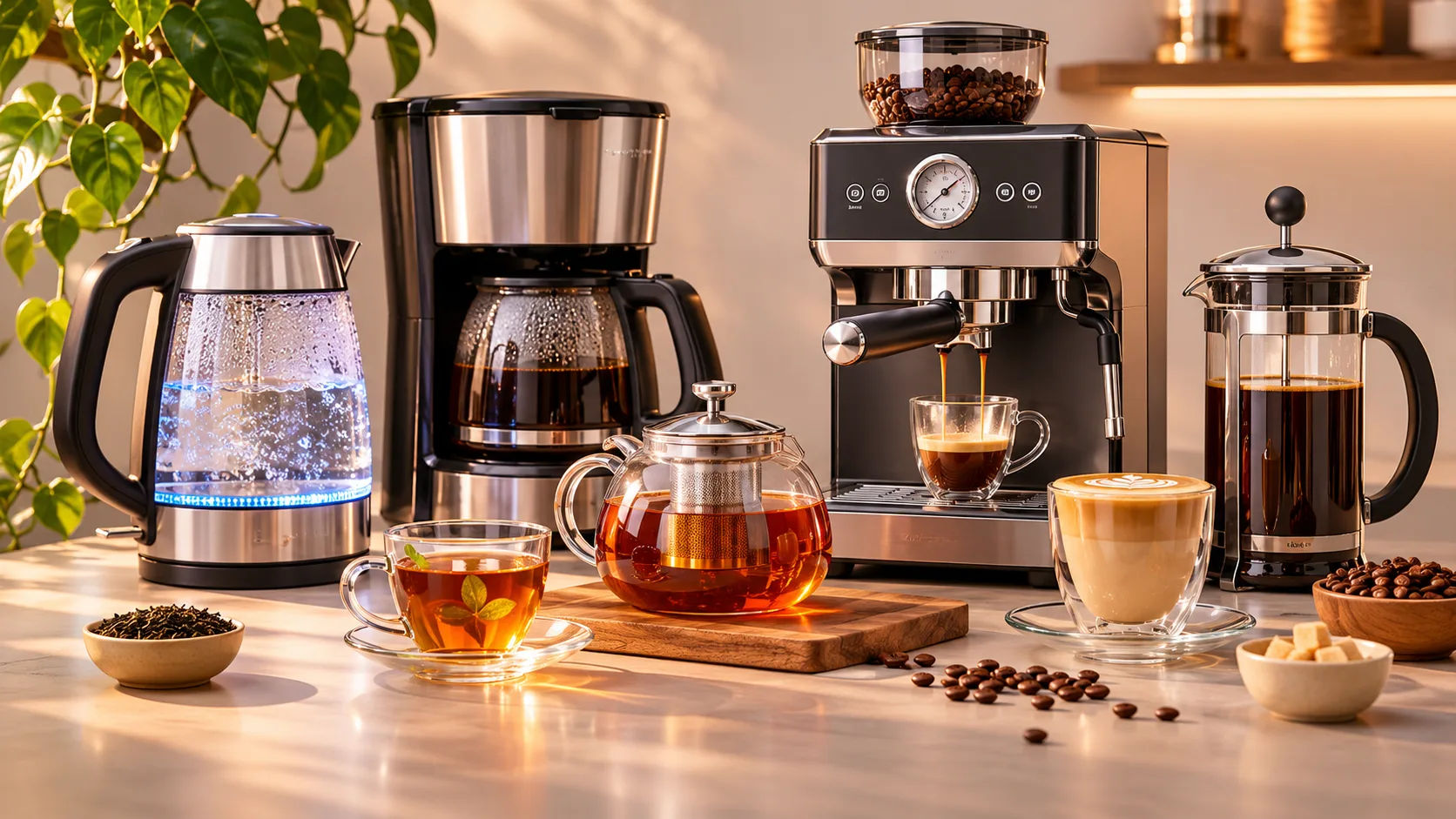
Understanding how these appliances operate can help people choose the right equipment, prepare better coffee, and maintain their machines properly. Whether someone prefers espresso, cappuccino, Americano, or regular black coffee, knowing how coffee machines work makes the brewing process easier to understand.
Different models use different technologies, but most follow the same basic principle: they heat water and pass it through ground coffee to extract its flavour, aroma, oils, and other soluble compounds. The quality of the final drink depends on several factors, including water temperature, brewing time, pressure, grind size, and the amount of coffee used.
This comprehensive guide explains the internal components, working principles, brewing methods, and maintenance requirements of modern coffee-making equipment.
Basic Working Principle of Coffee Machines
coffee machines operate by combining hot water with ground coffee. During this process, water extracts flavour compounds from the coffee grounds and turns them into a drink.
Although the technology varies between models, the general brewing process involves three main stages.
Heating the Water
The first stage is heating water to a suitable brewing temperature. Most coffee brewing methods work best when water is approximately 90–96°C.
A heating element inside the appliance raises the water temperature. Depending on the design, the machine may use a boiler, thermoblock, or heating plate.
Some machines heat water quickly, while others maintain a steady temperature throughout the brewing process.
Moving Water Through Coffee Grounds
Once the water reaches the required temperature, the machine directs it towards the coffee grounds.
In drip models, gravity allows hot water to pass through the coffee. Espresso equipment uses a pump to push water through tightly packed grounds under pressure.
The water absorbs flavour, aroma, oils, and soluble substances during this stage.
Collecting the Brewed Coffee
After passing through the coffee grounds, the extracted liquid flows into a carafe, cup, or internal container.
The finished beverage can then be served directly or used to prepare other drinks, such as cappuccino and latte.
Main Components of Coffee Machines
Understanding the main components helps explain how the entire brewing system works. Each part performs a particular function, and all components work together to produce consistent coffee.
Water Reservoir
The water reservoir stores the clean water required for brewing.
It is usually located at the back or side of the appliance. Some models have removable tanks, making them easier to refill and clean.
The reservoir supplies water to the heating system whenever someone starts a brewing cycle.
Many modern models also include water-level indicators. These help users identify when additional water is needed.
Heating Element
The heating element is responsible for raising the water temperature.
Electric resistance heating is commonly used in domestic coffee makers. When electricity passes through the heating element, it produces heat that transfers to the water.
Some advanced appliances use thermoblock systems. These heat water as it moves through narrow channels instead of storing large amounts of hot water.
This arrangement can reduce waiting time and improve temperature control.
Pump System
A pump moves water through different sections of certain brewing appliances.
It is particularly important in espresso models because espresso requires pressurised water.
Many traditional espresso machines operate around nine bars of brewing pressure. This pressure helps water move through compact coffee grounds and extract concentrated flavour.
Basic drip machines generally do not require a pressurised brewing pump.
Filter and Coffee Basket
The filter holds the ground coffee while allowing brewed liquid to pass through.
Paper filters, metal filters, and reusable mesh filters are common options.
A good filter prevents most coffee particles from entering the finished beverage. It also influences the drink's texture and flavour because different materials allow different amounts of oils and fine particles to pass through.
Control Panel
Modern appliances often include buttons, switches, touchscreens, or digital displays.
These controls allow users to select brewing strength, cup size, temperature, and other settings.
More advanced models can save personal preferences and automatically prepare selected drinks.
How Different Types of Coffee Machines Work
Not every coffee maker uses the same brewing technology. Different designs provide different levels of control, convenience, and flavour.
Drip Coffee Makers
Espresso machines use pressure to produce a concentrated coffee beverage.
The user places finely ground coffee into a portafilter and distributes it evenly before tamping it into a compact puck.
The machine then heats water and uses a pump to force it through the coffee grounds.
The pressurised water extracts flavour compounds, oils, and other substances in a relatively short period.
A typical espresso extraction takes approximately 25–30 seconds, although the ideal time depends on the coffee, grind size, dose, and desired result.
The finished espresso often has a layer of golden-brown foam called crema.
Espresso is also used as the foundation for popular drinks such as cappuccino, latte, macchiato, and flat white.
Single-Serve Pod Machines
A French press uses immersion brewing rather than an automatic heating and pumping system.
The user adds coarsely ground coffee to a glass or metal container and pours hot water over it.
The coffee grounds remain immersed in water for approximately four minutes, although brewing time can vary.
After steeping, a metal mesh filter attached to a plunger separates the grounds from the brewed liquid.
The French press produces a fuller-bodied beverage because its metal filter allows more natural coffee oils and fine particles to remain in the cup.
Unlike automatic appliances, it requires the user to heat and pour the water separately.
Bean-to-Cup Coffee Machines
Bean-to-cup models combine several brewing functions in one appliance.
They usually contain an integrated grinder, water reservoir, brewing unit, pump, and coffee dispensing system.
When the user selects a drink, the machine automatically grinds the required quantity of coffee beans.
The ground coffee moves into the brewing chamber, where it is compressed.
Hot water then passes through the grounds under controlled pressure.
Some models also include automatic milk-frothing systems for preparing cappuccinos and lattes.
These appliances are popular because they reduce manual preparation while offering freshly ground coffee.
The Science Behind Coffee Extraction
Coffee brewing is not simply about mixing water with ground beans. It is a process of extraction in which water dissolves different substances from roasted coffee.
These substances include acids, sugars, caffeine, oils, and aromatic compounds.
The balance between these elements influences the final flavour.
Why Water Temperature Matters
Water temperature affects how quickly flavour compounds dissolve.
If the water is too cold, extraction may be slow, producing a weak or sour-tasting beverage.
If the water is excessively hot, it can contribute to an unpleasant flavour, particularly when combined with unsuitable brewing conditions.
A temperature range of approximately 90–96°C works well for many brewing methods.
However, individual preferences and coffee characteristics can influence the ideal temperature.
The Importance of Grind Size
The size of coffee particles affects how quickly water extracts flavour.
Fine grounds provide greater surface area, allowing water to extract compounds more quickly.
Coarse grounds have less exposed surface area and generally require longer contact with water.
Different brewing methods therefore require different grind sizes.
-
Espresso: Fine grind.
-
Drip coffee: Medium grind.
-
French press: Coarse grind.
-
Pour-over: Medium to medium-coarse grind.
Using the correct grind size helps achieve a balanced beverage.
Brewing Time and Extraction
Brewing time determines how long water remains in contact with coffee grounds.
Short extraction may produce a weak or underdeveloped flavour.
Excessively long extraction can create a harsh or bitter taste.
Espresso generally requires a shorter extraction time than French press coffee.
The ideal duration depends on the brewing method, grind size, water temperature, and coffee-to-water ratio.
How Milk Frothing Systems Work
Many modern appliances include milk-frothing features that allow users to prepare speciality beverages.
These systems introduce air into milk while heating it, creating a smooth foam.
Steam Wand Technology
A steam wand uses pressurised steam to heat and aerate milk.
The steam enters the milk through a small opening, creating bubbles while increasing its temperature.
With proper technique, these bubbles become smaller and more evenly distributed, producing a smooth texture known as microfoam.
Microfoam is important for latte art and creamy milk-based beverages.
Automatic Milk Frothers
Automatic milk systems perform the frothing process with less manual effort.
Some machines draw milk through internal tubes and mix it with steam and air.
Others use separate containers with mechanical whisking systems.
The resulting milk foam can be added directly to cappuccinos, lattes, and other drinks.
These systems are convenient, but they require regular cleaning to prevent milk residue from building up.
How Modern Coffee Machines Use Technology
Technology has improved the performance and convenience of modern coffee-making equipment.
Many advanced models include automatic controls that help users achieve consistent results.
Digital Temperature Control
Digital temperature sensors monitor water temperature during brewing.
The machine adjusts its heating system to maintain the selected temperature.
This is particularly useful for espresso preparation, where temperature stability can influence extraction quality.
Programmable Brewing Settings
Programmable controls allow users to customise brewing preferences.
Depending on the model, these settings may include:
-
Coffee strength.
-
Water quantity.
-
Brewing temperature.
-
Cup size.
-
Automatic starting time.
-
Milk temperature.
These features make daily preparation easier.
Smart Connectivity
Some advanced appliances connect to mobile applications through Wi-Fi or Bluetooth.
Users may be able to select drinks, adjust settings, receive maintenance notifications, and monitor certain machine functions.
Smart features are useful, although they are not necessary for making good coffee.
Factors That Affect Coffee Quality
Even a well-designed appliance cannot guarantee excellent coffee if the ingredients and preparation methods are unsuitable.
Several factors influence the taste, aroma, and consistency of the finished beverage.
Coffee Bean Quality
Fresh, high-quality coffee beans generally produce better flavour.
Beans should be stored in an airtight container away from excessive heat, moisture, and direct sunlight.
Roast level also matters.
Light roasts often have brighter, more delicate flavours, while darker roasts usually produce stronger roasted and sometimes bitter notes.
Water Quality
Water makes up most of a cup of coffee, so its quality matters.
Very hard water may contribute to mineral deposits inside the appliance.
Water containing strong chlorine flavours can also negatively affect the taste.
Filtered water can improve flavour and reduce certain mineral-related maintenance problems.
However, the water should still contain an appropriate mineral balance for brewing.
Coffee-to-Water Ratio
The amount of coffee used compared with water influences the strength of the beverage.
Using too little coffee may produce a weak drink, while using too much can create an excessively concentrated result.
A common starting point for many filter brewing methods is approximately 1 gram of coffee for every 15–18 grams of water.
Users can adjust this ratio according to their preferences.
How to Clean and Maintain Coffee Machines
Regular maintenance helps preserve brewing quality and extend the useful life of an appliance.
Coffee oils, mineral deposits, and leftover grounds can gradually collect inside different components.
Without proper cleaning, these materials may affect flavour and machine performance.
Clean Removable Components
After brewing, remove the filter basket, drip tray, water tank, and other detachable parts where applicable.
Wash compatible components with warm water and mild dish soap.
Allow them to dry completely before reinstalling them.
Always follow the manufacturer's instructions because some parts may not be suitable for dishwashers.
Descale the Appliance
Descaling removes mineral deposits that accumulate inside water channels and heating systems.
These deposits are commonly associated with hard water.
Use a descaling product approved for the specific appliance and follow the recommended procedure.
The required frequency depends on water hardness, usage, and the manufacturer's guidance.
Clean the Brewing System
Espresso and automatic bean-to-cup models need additional attention.
Coffee grounds and oils can accumulate around the brewing group, portafilter, and dispensing outlets.
Clean these components according to the manufacturer's recommendations.
Backflushing may also be required for certain espresso machines.
Maintain Milk Systems
Milk residues can quickly build up inside steam wands and automatic milk tubes.
Wipe the steam wand immediately after use and purge it according to the machine's instructions.
Automatic milk systems should be rinsed and cleaned regularly.
This helps prevent unpleasant smells and hygiene problems.
Common Problems and How to Solve Them
Although modern appliances are designed for regular use, occasional problems can affect their performance.
Understanding common issues can help users identify simple solutions.
Coffee Is Too Weak
Weak coffee may result from using too little ground coffee, an excessively coarse grind, or an unsuitable coffee-to-water ratio.
Try adjusting the coffee quantity or grind size.
Also, check whether the brewing temperature is appropriate.
Coffee Is Too Bitter
Bitterness may develop when coffee is over-extracted.
Possible causes include grinding the beans too finely, using excessive brewing time, or selecting unsuitable brewing settings.
Adjusting these factors can help create a smoother taste.
Water Is Not Heating Properly
If the water remains cold or does not reach the required temperature, the appliance may have a heating-system problem.
Mineral buildup can also affect performance.
Check the water reservoir, inspect the machine for maintenance warnings, and follow the recommended descaling procedure.
If the problem continues, professional servicing may be necessary.
Coffee Is Not Flowing Properly
Slow or interrupted water flow may indicate a blockage.
Possible causes include accumulated coffee grounds, mineral deposits, or a clogged filter.
Clean the removable components and descale the appliance when required.
For persistent problems, consult a qualified technician.
How to Choose the Right Coffee Machine
Choosing suitable equipment depends on personal preferences, available space, budget, and daily coffee consumption.
Different models are designed for different needs.
Consider Your Coffee Preferences
People who enjoy regular black coffee may prefer a drip model.
Espresso enthusiasts may benefit from a traditional espresso machine.
Those who want convenience and freshly ground beans can consider a bean-to-cup appliance.
Pod-based models are suitable for people who value quick preparation and portion control.
Evaluate the Available Features
Before purchasing, consider the features that will genuinely improve everyday use.
Useful options may include adjustable brewing strength, removable water tanks, automatic cleaning programmes, integrated grinders, and milk-frothing systems.
Avoid paying extra for advanced features that are unlikely to be used.
Check Size and Capacity
Available kitchen space is another important consideration.
Compact models are suitable for smaller kitchens, while larger appliances may be better for families and offices.
Water reservoir capacity also matters because larger tanks reduce the need for frequent refilling.
Compare Maintenance Requirements
Some models require more cleaning and maintenance than others.
Traditional espresso machines may need regular manual attention, while automatic models can include built-in cleaning programmes.
Consider the availability and cost of replacement filters, descaling products, capsules, and other accessories.
Conclusion
Understanding how coffee machines work reveals that preparing a good cup of coffee involves much more than simply heating water and adding ground beans. These appliances combine several important technologies, including heating elements, water reservoirs, pumps, filters, brewing chambers, and electronic controls. Each component performs a specific function to ensure that water reaches the coffee grounds under suitable conditions and extracts the desired flavours.
Different brewing systems provide different experiences. Drip models offer convenience for preparing multiple cups, espresso appliances create concentrated beverages through pressure, and pod systems make individual servings quickly. French presses use immersion brewing, while bean-to-cup models combine grinding, brewing, and sometimes milk frothing in one appliance.
The quality of the finished drink also depends on factors such as coffee freshness, grind size, water temperature, brewing duration, and coffee-to-water ratio. Understanding these elements allows users to adjust their preparation methods and achieve more satisfying results.
Regular cleaning and maintenance are equally important. Removing coffee residue, cleaning filters, descaling internal components, and maintaining milk systems help preserve performance and prevent unwanted flavours. Following manufacturer instructions can also reduce the likelihood of avoidable mechanical problems.
When selecting an appliance, buyers should consider their preferred beverages, daily consumption, available kitchen space, budget, and maintenance requirements. The most expensive model is not necessarily the best choice. A suitable machine is one that matches the user's lifestyle and consistently produces coffee they enjoy.
Ultimately, learning how coffee machines operate makes it easier to appreciate the technology behind everyday brewing. Whether someone enjoys a simple morning cup or a professionally prepared espresso, understanding the process can improve coffee preparation, support better purchasing decisions, and make the overall experience more enjoyable.