
Category: Health & Fitness

Peptide Sciences A Realistic Steer To Resolution Explore Provide ChallengesPeptide Sciences A Realistic Steer To Resolution Explore Provide Challenges
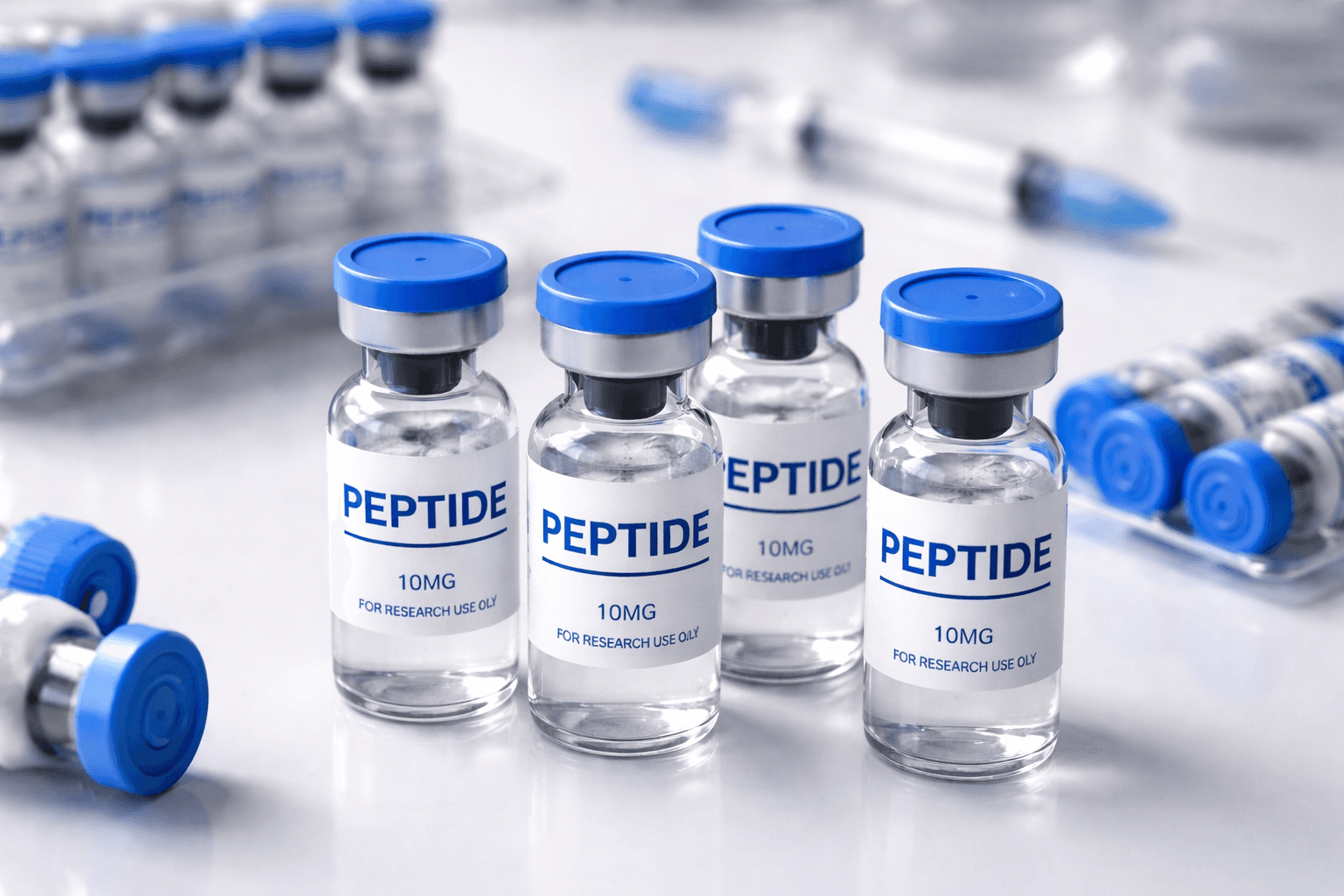
A explore see can lose valuable time because of a small ply problem. A production is registered as available, but the requisite support is uncontrollable to turn up. A vial arrives, yet the tag does not match the records prepared by the testing ground. In another case, a team may have designated the right heighten but failed to plan for storage, handling, or confirmation. These issues are not unusual, and they show why choosing a rock-steady explore peptide supplier involves more than browse a production catalogue. Peptide Sciences.

Peptide Sciences is known as a research peptide supplier offer a broad survival of high whiteness peptides for technological and testing ground explore. Its production straddle includes explore compounds, peptide blends, capsules, and age-related materials. For explore teams, the main value is often base in the combination of product access, quality examination, analytical support, and serve subscribe.

Finding the Source of a Research Delay

When a see slows down, the first step is characteristic the real cause. A retarded order may appear to be a purchasing cut, but the deeper problem could ask undecipherable production selective information, missing records, or poor between the laboratory and supplier.

A useful troubleshooting process begins with a simpleton reexamine of the research plan. Confirm the heighten name, requested measure, initialize, storage requirements, and well-meaning laboratory application. Small differences in assignment can produce mix-up, especially when synonymous products or blends are included in the same order.

Peptide Sciences can subscribe a more union buying work when researchers reexamine product details before placing an enjoin. This includes checking available entropy, comparing the product with the study plan, and qualification sure the elite material fits the testing ground s internal records.

Using Documentation to Reduce Uncertainty

Research materials need clear support because product timbre cannot be judged by appearance alone. A vial may look correctly prepackaged, but researchers still need records that help them assess personal identity, sinlessness, and treatment requirements.

Analytical support can supply earthshaking reference points during receiving and storage. Teams may use these records as part of their internal review work, alongside their own laboratory procedures. If a is lost or unclear, contacting the provider before beginning the work can keep mix-up later.

With Peptide Sciences, researchers can look for available tone information and keep under consideration documents with the visualize file. This simple habit helps the purchased stuff with the try out, the causative researcher, and the laboratory s recordkeeping system of rules.

Documentation should also be restrained for consistency. The production name, mickle details, quantity, and date standard should match the information recorded by the laboratory. When these inside information do not ordinate, it is better to intermit and solve the make out instead of allowing an body misidentify to keep an eye on the stuff through the study.

Resolving Product Selection Problems

Product selection becomes more complicated when a fancy involves several affiliated compounds. A investigator may take a intermix when an mortal intensify was necessary, or say a capsulise initialize that does not suit the planned testing ground process. These mistakes can involve schedules and make superfluous .

The best root is to liken the product initialise with the exact research requirement. Consider whether the see calls for an soul search deepen, a intermingle, or another available initialise. Review the total required, the come of conceived tests, and the store space available before Gram-positive the say.

Peptide Sciences offers different production categories, so a troubled reexamine of the catalog can help researchers avoid choosing based on name alone. Product descriptions should be well-advised aboard the study communications protocol and the laboratory s approved procedures.

Clear intragroup communication also matters. The individual placing an say should have access to the latest figure notes. If several people are encumbered, one soul should confirm the final examination product inside information before purchase. This reduces the of parallel orders, fallacious formats, or unsuitable quantities.

Handling Storage and Receiving Concerns

Many search provide problems begin after delivery. A package may arrive while the causative researcher is unobtainable, or the material may be placed in storehouse without a registered receiving . A short receiving procedure can tighten these risks.

The laboratory should tape the saving date, visit the box, confirm the mark down, and liken the contents with the order information. Storage conditions should observe the provider s available operating instructions and the testing ground s own refuge procedures. Materials should be kept in an union emplacemen where authorized staff office can place them without opening or animated unconnected products.

Peptide Sciences products should be handled only for legitimize search purposes and according to applicable testing ground rules. They are not knowing to supplant authorized medical examination treatments, and explore materials should not be used for personal expenditure. Keeping this distinction clear protects both the study and the people involved in managing it.

Creating a Reliable Supplier Workflow

A steady-going workflow can prevent many park problems before they occur. Start by documenting the search prerequisite, then control the production entropy, review available timbre records, and the tell before defrayment. After saving, nail the receiving and hive away the material according to the under consideration book of instructions.

Communication should be toughened as part of the process rather than an emergency measure. If a question arises about accessibility, documentation, publicity, or product inside information, adjoin Peptide Sciences before the stuff is necessary for a regular experiment. Early gives the provider and research team more time to resolve the write out.

A well managed record should admit the production name, measure, tell entropy, stack inside information when available, documentation, entrepot position, and the research worker causative for the material. This creates a train that can be reviewed when a picture changes direction or when a lead requires further investigation.

When a Small Check Protects the Entire Study

Research projects seldom fail because of one dramatic . More often, delays grow from several moderate gaps, an unbridled production , an incomplete tape, or a depot step that was pretended rather than referenced. A careful work helps identify those gaps early.

Peptide Sciences may be a useful selection for laboratories quest explore peptides, attached products, and support timber information in one target. The strongest results come when supplier resources are joint with careful preparation, documented checks, and responsible laboratory rehearse. A few transactions gone positive the inside information before an order can protect weeks of search work later.

How to Transition from a Manual Toothbrush to an Electric ModelHow to Transition from a Manual Toothbrush to an Electric Model

If you have used a traditional plastic toothbrush your entire life, holding an electric brush for the first time can feel surprisingly foreign. The gentle buzzing in your palm, the hum against your teeth, and the rapid movement of the bristles might make you wonder whether you are cleaning your mouth or operating heavy machinery. Many people buy a powered brush with the best intentions, only to retreat back to their manual brush after a single ticklish, messy attempt.

Switching does not have to feel awkward. By understanding how these devices work and giving yourself a structured adjustment period, you can easily upgrade your oral care routine without splashing toothpaste across your bathroom mirror.

Why Your Brushing Technique Has to Change

The most important hurdle when switching brushes is unlearning muscle memory. With a manual brush, your arm supplies all the energy. You scrub back and forth or in small circles, varying your pressure and speed to scour away plaque buildup along the gumline.

An electric brush works on an entirely different principle. Its internal motor moves the bristles thousands of times per minute through rapid rotations, oscillations, or sonic side-to-side vibrations. When you use one, your only job is to guide the head from tooth to tooth. If you scrub aggressively while the motor is running, you risk irritating your gums and wearing down your tooth enamel. You have to trade active scrubbing for patient, deliberate positioning.

Preparing for Your First Week

Before you even turn the device on, take a moment to familiarise yourself with the hardware. Most electric models come with a small, round head or a slightly longer sonic head. Choose a head with soft bristles to protect delicate gum tissue.

If your device features multiple intensity settings, select the gentlest option available. Many brushes offer a sensitive or beginner mode that reduces the vibration speed. Starting here prevents that overwhelming, tickling sensation on your tongue and gums while your mouth adapts to the new sensory experience.

Apply only a pea-sized amount of fluoride toothpaste. Resist the urge to press the power button until the brush head is securely inside your mouth. Turning on a powered brush while it is out in the open will instantly flick toothpaste onto your clothes and counter.

A Step by Step Adaptation Plan

Transitioning smoothly takes about two weeks of mindful practice. Follow this progression to build confidence and refine your technique.

  1. Master the grip and mouth angle. Hold the handle lightly with your fingers rather than clenching it in a tight fist. Place the bristles against the outer surface of your back molars at a 45-degree angle pointing toward the gumline. Close your lips slightly around the handle to contain any splatter.
  2. Let the bristles do the work. Turn the brush on. Instead of sawing back and forth, hold the brush steady over a single tooth for two to three seconds. Allow the moving bristles to sweep away debris and disrupt plaque along the margins of the gums.
  3. Follow the curvature of each tooth. Slowly glide the head across to the next tooth. Tilt the brush slightly so the bristles clean the front surface, the curved sides, and the top chewing surface. Treat each tooth as an individual structure rather than treating your jaw as a single flat wall.
  4. Work through four separate quadrants. Divide your mouth into upper right, upper left, lower left, and lower right sections. Spend roughly 30 seconds on each quadrant to ensure a thorough, balanced clean. Most modern brushes will pause briefly or pulse every half minute to let you know when to move to the next area.
  5. Tackle the tricky interior surfaces. Cleaning behind your front teeth requires vertical handling. Turn the brush handle upright and use the tip of the head to reach the back of your top and bottom front teeth, where tartar tends to accumulate fastest.

Managing Common Transition Discomforts

During the first few days, you might notice a slight tingling in your lips or minor bleeding along your gums. If your gums were accustomed to a softer, less thorough manual brushing, the increased efficiency of a powered brush can temporarily highlight areas of mild inflammation. This usually resolves within a week as your gum health improves. If bleeding persists beyond that, speak with your dentist during your regular checkup.

Pay close attention to how much pressure you apply. If you press too hard, the bristles will splay outward and lose their cleaning efficacy. Many modern brushes feature built-in pressure sensors that flash a light or change their sound pattern when you press too firmly. If your brush lacks this feature, simply remember that you only need enough contact for the tips of the bristles to touch the enamel. You are guiding a precision tool, not scrubbing a floor.

For those interested in the broader benefits of modern oral hygiene devices, reading a comprehensive dental care article can provide deeper insight into how consistent plaque control protects your gums from long-term periodontal trouble.

Settling into a Permanent Routine

After about ten to fourteen days, the vibrations will no longer feel strange, and your hands will naturally guide the brush without conscious effort. At this point, you can experiment with standard cleaning modes or explore specialized heads designed for deep cleaning or sensitive teeth.

Remember that an electric toothbrush is only one component of good daily care. Continue to clean between your teeth daily using traditional floss or an interdental brush, and replace your electric brush head every three months, or sooner if the bristles begin to fray. With a bit of patience during those first few days, you will enjoy a noticeably cleaner mouth and an effortless daily routine.

Exploring the Benefits of GLP1 Tirzepatide for Effective Weight LossExploring the Benefits of GLP1 Tirzepatide for Effective Weight Loss

Understanding GLP-1 and Tirzepatide

GLP-1 (Glucagon-like peptide-1) is a hormone that plays a critical role in controlling blood sugar levels and appetite. Tirzepatide is a novel medication that mimics the effects of GLP-1 while also activating GIP (glucose-dependent insulinotropic polypeptide) receptors, making it a dual-action peptide. This combination enhances insulin secretion, suppresses appetite, and slows gastric emptying, which collectively contribute to weight loss and improved metabolic health.

Clinically, tirzepatide has been studied for its ability to help individuals with obesity or type 2 diabetes shed excess weight while improving glycemic control. Its dual incretin effect distinguishes it from earlier GLP-1 receptor agonists by potentially offering superior efficacy in both weight management and glucose regulation.

How Tirzepatide Supports Weight Reduction

Tirzepatide’s mechanism targets multiple pathways involved in energy balance and metabolism:

  • Appetite Suppression: It reduces hunger signals, helping people naturally eat fewer calories.
  • Improved Insulin Sensitivity: Enhances the body’s response to insulin, aiding glucose uptake and reducing blood sugar spikes.
  • Delayed Stomach Emptying: Slows digestion, increasing feelings of fullness and decreasing food consumption.
  • Energy Expenditure: Preliminary data suggest it may slightly increase metabolic rate, contributing to fat loss.

Because of these combined effects, tirzepatide has shown promising results in clinical trials, with many patients experiencing significant and sustained weight loss over several months of treatment.

What the Research Says About GLP-1 Tirzepatide for Weight Loss

Several phase 3 clinical trials have demonstrated tirzepatide’s effectiveness in weight management. Participants without diabetes but with obesity lost up to 20% or more of their body weight after 72 weeks of treatment. This degree of weight loss is considered substantial compared to most available pharmaceutical options.

Experts in endocrinology note that tirzepatide’s dual receptor activity represents a major advancement in peptide-based therapies for obesity and diabetes. According to a recent review in The New England Journal of Medicine, tirzepatide “marks a new era in metabolic treatment, offering both improved glycemic control and weight reduction with once-weekly dosing.”

Many users report that glp-1 tirzepatide for weight loss delivers noticeable benefits with a manageable side effect profile, mainly involving mild gastrointestinal symptoms that often subside over time.

Practical Considerations and Safety Profile

Tirzepatide is administered via subcutaneous injection once per week, making it relatively convenient. As with all medications, it should be prescribed and monitored by healthcare professionals, especially given its potent effects on metabolism.

Common side effects include nausea, diarrhea, and occasional vomiting. These tend to improve as the body adjusts. More serious risks, such as pancreatitis, are rare but require vigilance. Because tirzepatide affects blood sugar, monitoring is critical to avoid hypoglycemia, especially in patients also using other diabetes medications.

It’s also important to note that tirzepatide is not a standalone solution; weight loss is most successful when combined with lifestyle changes such as a healthy diet and regular physical activity.

Future Perspectives on Tirzepatide and Weight Management

The introduction of tirzepatide into clinical practice signals a shift in how peptide therapies are leveraged for weight loss. Its dual incretin hormone activity opens avenues for developing more sophisticated treatments targeting metabolic pathways.

From a developer’s perspective, the precision of tirzepatide’s receptor targeting is impressive, offering a model for next-generation peptides that balance efficacy with tolerability. Ongoing studies aim to optimize dosing strategies and explore its long-term effects on cardiovascular health and diabetes remission.

Conclusion: A Promising Peptide for Weight Loss Therapy

Tirzepatide represents a significant advancement in peptide-based weight loss treatments by combining GLP-1 and GIP receptor activity to enhance appetite control and metabolic function. Supported by robust clinical data, it offers a powerful option for individuals struggling with obesity and related metabolic disorders. While it requires medical supervision and lifestyle commitment, its efficacy and innovative mechanism make it a breakthrough in the evolving landscape of weight management therapies.

Innovations And Best Practices In Peptides For Explore Peptide LabsInnovations And Best Practices In Peptides For Explore Peptide Labs

Understanding Peptides in Scientific Research

Peptides are short-circuit irons of amino acids that play crucial roles in biologic processes. In research, peptides do as requirement tools for perusing protein interactions, cell signal, and curative developments. Their pinpoint synthetic thinking and sinlessness directly touch on the reliableness of experimental outcomes, making quality control a top precedence in peptide laboratories Buy Research Peptides Online.

From a biochemical position, peptides bridge the gap between moderate molecules and proteins, providing researchers with various compounds for various applications such as drug find, biomarker identification, and enzyme action assays. This versatility makes peptides obligatory in laboratory settings focused on building block biology and biotechnology.

Key Factors Influencing Peptide Quality in Labs

The efficaciousness of peptides in search depends on several critical factors:

  • Purity Level: High-purity peptides minimise inquiry variance and tighten downpla noise in assays.
  • Synthesis Techniques: Solid-phase peptide synthesis(SPPS) cadaver the gold monetary standard, allowing nice verify over amino group acid succession forum.
  • Storage Conditions: Proper treatment and storehouse at low temperatures preserve peptide stability and prevent debasement.
  • Analytical Validation: Techniques like mass spectrographic analysis and high-performance liquid state (HPLC) peptide identity and pureness.

Experts emphasize that rigourousness in these timber parameters ensures reproducibility and accuracy in experimental results. Laboratories that incorporate tight validation steps and stick to best practices in peptide synthetic thinking produce more reliable data.

The Role of Peptide Labs in Advancing Research

Peptide labs specialise in providing researchers with high-quality synthetic substance peptides plain for particular scientific needs. These labs often volunteer usance peptide synthetic thinking, peptide library construction, and peptide modification services, facilitating high-tech enquiry designs. The accessibility of peptides with diverse sequences and modifications accelerates the pace of uncovering in William Claude Dukenfield like immunology, oncology, and neuroscience.

Many users report that deliver homogeneous public presentation and purity, which are requirement for generating true and duplicatable data. This dependability supports complex projects such as vaccine or targeted drug saving systems.

Trends in Peptide Synthesis Technology

Recent advancements in peptide synthetic thinking have introduced machine-controlled platforms and green alchemy approaches that improve succumb and reduce situation bear upon. Innovations like micro-cook-assisted SPPS and flow chemistry enhance reaction and scalability, facultative peptide labs to meet ontogeny without vulnerable timber.

Additionally, peptide modifications such as cyclization, labeling, or uniting with fluorescent tags expand the utility repertory of peptides. These enhancements help real-time tracking of biological processes and improve peptide stableness in physiologic conditions.

Choosing the Right Peptide Lab for Your Research

Selecting a estimable peptide lab involves considering several criteria:

  • Experience and Expertise: Established labs with a warm track tape can better accommodate peptide requests.
  • Turnaround Time: Fast synthetic thinking and saving are material for time-sensitive search projects.
  • Quality Assurance: Certifications and obvious timbre verify data boost confidence in peptide products.
  • Customization Capabilities: Flexibility to create specialised peptides with unusual sequences or chemical modifications is often necessary.

Researchers should also verify that labs comply with restrictive standards germane to their area, particularly when peptides are used for preclinical or nonsubjective investigations.

Conclusion: Enhancing Research Outcomes with Quality Peptides

Peptides are fundamental frequency to modern technological research, offering nuanced insights into molecular mechanisms and cure potentials. By partnering with sacred peptide labs that emphasize whiteness, proof, and design, researchers can importantly ameliorate the reliability and bear upon of their studies.

The fine preparation and uniform tone of peptides not only facilitate first harmonic discovery but also speed change of location explore efforts, finally conducive to advances in medicine and ergonomics. As peptide engineering science continues to develop, its integrating into research workflows promises deeper sympathy and novel solutions across eightfold disciplines.

Innovative Approaches to Weight Management with Peptide LabsInnovative Approaches to Weight Management with Peptide Labs

Understanding Weight Management Peptides

Weight management peptides are specialized chains of amino acids designed to support fat loss, appetite control, and metabolic regulation. These peptides work by influencing hormones and cellular processes that govern energy balance and body composition. Unlike traditional diets or supplements, peptides offer a targeted biochemical approach, potentially enhancing the body’s natural ability to burn fat and maintain muscle.

According to recent studies published in the Journal of Obesity Research, peptides can improve insulin sensitivity and promote lipolysis, making them a promising addition to weight management programs. From a developer’s perspective, the precision with which peptides affect specific receptors in the body sets them apart from conventional weight loss agents, potentially reducing side effects and improving outcomes.

How Peptide Labs Contribute to Weight Management Research

Peptide Labs stands at the forefront of peptide innovation, providing high-purity, lab-tested compounds specifically tailored for weight management and metabolic health research. Their peptides are meticulously synthesized to ensure reproducibility and safety, crucial for both experimental studies and clinical applications.

A significant advantage of working with Peptide Labs is their commitment to quality assurance, which boosts confidence in the efficacy of peptides used for metabolic interventions. Their formulations include peptides known for modulating appetite, enhancing fat metabolism, and improving glucose regulation, thus supporting a comprehensive approach to weight management.

Several peptides have gained attention for their roles in weight regulation:

  • CJC-1295: Stimulates growth hormone release, which can increase lean muscle mass and promote fat loss.
  • Ipamorelin: Works synergistically with other peptides to enhance metabolism and improve recovery.
  • Tesamorelin: Targets visceral fat reduction by influencing adipose tissue directly.
  • GLP-1 Analogues: Mimic gut hormones that suppress appetite and slow gastric emptying.

Each of these peptides offers distinct mechanisms, and their combined use under careful supervision can optimize weight management strategies.

Industry Insights on Peptide Labs and Weight Management

Many users and experts note that weight management peptides peptide labs provide consistent, high-quality compounds that underpin successful research outcomes. This reliability is essential not only for academic studies but also for translational applications, including personalized medicine and therapeutic interventions.

The trust in Peptide Labs arises from their stringent analytical testing and comprehensive documentation, which align with FDA guidelines for research-grade peptides. Their products enable researchers to explore innovative weight loss therapies with confidence in compound integrity, thus accelerating scientific discovery in metabolic health fields.

Safety and Regulatory Considerations

While peptides offer exciting benefits, regulatory frameworks vary by country regarding their use in weight management. Peptides for research use must be handled responsibly, ensuring compliance with legal and ethical standards. It is critical that peptides are sourced from reputable labs like Peptide Labs to avoid contamination or mislabeling.

Moreover, peptides should always be administered under medical supervision when used in clinical contexts. Understanding dosage, potential interactions, and long-term effects remains an area of active investigation.

Future Directions in Peptide-Based Weight Management

Advancements in peptide synthesis and bioengineering are continuously expanding the repertoire of peptides available for weight control. Novel peptides targeting specific metabolic pathways, such as mitochondrial function or hormone modulation, are under development.

Combining peptides with lifestyle interventions, including diet and exercise, promises a multifaceted approach that addresses the root causes of obesity rather than just symptoms. Personalized peptide therapies based on genetic and metabolic profiling may soon become mainstream, offering tailored solutions with improved efficacy.

Conclusion

Weight management peptides represent a cutting-edge frontier in metabolic health, combining precise biochemical targeting with emerging therapeutic potential. Peptide Labs plays a pivotal role by supplying high-quality, reliable compounds that empower researchers and clinicians to innovate in this field. As scientific understanding deepens, these peptides could transform approaches to weight loss and metabolic wellness, offering hope to millions struggling with obesity and related conditions.