Author: Millermarker

Unlocking the Secrets: How to Win Big on SlotsUnlocking the Secrets: How to Win Big on Slots

Playing slots can be a fun and entertaining experience, but it’s essential to approach it responsibly. Here are some tips for responsible slot play. Adam789.

1. Set a Budget

Before you start playing, establish a budget that you can afford to lose. Stick to this budget, and don’t exceed it, regardless of whether you’re winning or losing.

2. Play for Fun, Not Profit

Approach slots as a form of entertainment rather than a way to make money. Enjoy the gameplay, and don’t let the pursuit of winnings dictate your experience.

3. Take Breaks

It’s easy to lose track of time while playing slots. Set timers to remind yourself to take breaks. This helps prevent excessive play and encourages a healthier gaming experience.

4. Avoid Chasing Losses

If you find yourself losing, resist the urge to chase your losses by increasing your bets. This often leads to even larger losses and can turn a fun experience into a stressful one.

5. Know When to Walk Away

If you hit your win target or feel that you’ve played long enough, don’t hesitate to cash out. It’s essential to recognize when it’s time to stop and enjoy your winnings.

Chinese Medicine: Bridging Ancient Wisdom and Modern Health PracticesChinese Medicine: Bridging Ancient Wisdom and Modern Health Practices

Chinese medicine, one of the oldest continuous medical traditions in the world, has been practiced for thousands of years and continues to offer valuable insights into maintaining health and preventing disease. With its holistic approach to wellness, Chinese medicine emphasizes the interconnectedness of the mind, body, and environment. This ancient system integrates various therapeutic practices designed to maintain balance and harmony, not just to treat illness when it arises. In this article, we explore the foundational principles of chinese medicine clinic hong kong , its core therapies, and its relevance in the modern world of healthcare.

The Philosophy of Chinese Medicine: A Holistic View

Chinese medicine is rooted in a deeply philosophical understanding of the body’s relationship to nature, the cosmos, and the universe. The system views the human body as an intricate network where every part is interconnected, and disease is often seen as a result of imbalances in these relationships. Rather than simply focusing on the symptoms of a disease, Chinese medicine aims to address the underlying causes of health problems and restore harmony to the body as a whole.

1. The Concept of Qi (Chi)

At the core of Chinese medicine lies the concept of Qi (pronounced "chee"), the vital life force that flows through the body. Qi is the energy that animates the body and maintains health. It flows through meridians or energy channels, which are invisible pathways that connect all the organs and tissues of the body.

When Qi flows freely and harmoniously, the body is healthy. However, disruptions or blockages in the flow of Qi can lead to illness. By restoring the smooth flow of Qi through various therapies, Chinese medicine helps maintain health and vitality. Acupuncture, for example, stimulates specific points along these meridians to unblock stagnation and enhance the body’s natural healing abilities.

2. Yin and Yang: The Interplay of Opposites

Chinese medicine also incorporates the concept of Yin and Yang, which are complementary forces that exist in all things. Yin represents qualities such as cold, rest, stillness, and nourishment, while Yang embodies warmth, activity, energy, and expansion. Both forces are necessary for balance in the body.

In Chinese medicine, health is seen as the equilibrium between Yin and Yang. When either of these forces becomes too dominant or too weak, the body experiences disharmony, leading to illness. For instance, an excess of Yang may manifest as fever, inflammation, or anxiety, while a deficiency of Yin can cause symptoms like dryness, fatigue, or night sweats. Restoring the balance between these forces is central to the healing process in Chinese medicine.

3. The Five Elements: Understanding the Body’s Nature

Another foundational concept in Chinese medicine is the Five Elements theory, which categorizes the body and the natural world into five phases: Wood, Fire, Earth, Metal, and Water. Each of these elements corresponds to specific organs, emotions, and seasons, and they interact in ways that influence overall health.

  • Wood: Liver – associated with anger and spring
  • Fire: Heart – linked with joy and summer
  • Earth: Spleen – related to worry and late summer
  • Metal: Lungs – associated with grief and autumn
  • Water: Kidneys – connected with fear and winter

The Five Elements theory posits that these elements work together in a cycle of generation and control. An imbalance in one element can affect the others, leading to health issues. For example, a deficiency in the Water element (Kidneys) can result in an excess of Heat (Fire), causing symptoms like inflammation or irritability.

Key Therapies in Chinese Medicine

Chinese medicine utilizes a wide variety of therapies, each designed to address different health concerns and restore balance within the body. Some of the most popular and effective treatments include acupuncture, herbal medicine, cupping, and dietary therapy.

1. Acupuncture: Restoring Balance with Needles

Acupuncture is one of the most well-known and widely practiced therapies in Chinese medicine. It involves the insertion of very fine needles into specific points on the body that correspond to energy pathways (meridians). These acupuncture points are believed to stimulate the flow of Qi, remove blockages, and restore balance to the body's energy.

Acupuncture is used to treat a wide range of conditions, including chronic pain, stress, digestive issues, and insomnia. Research has shown that acupuncture can stimulate the release of endorphins, improve circulation, and balance the body’s nervous system, making it an effective treatment for pain management, anxiety, and other health issues.

2. Herbal Medicine: Harnessing the Power of Nature

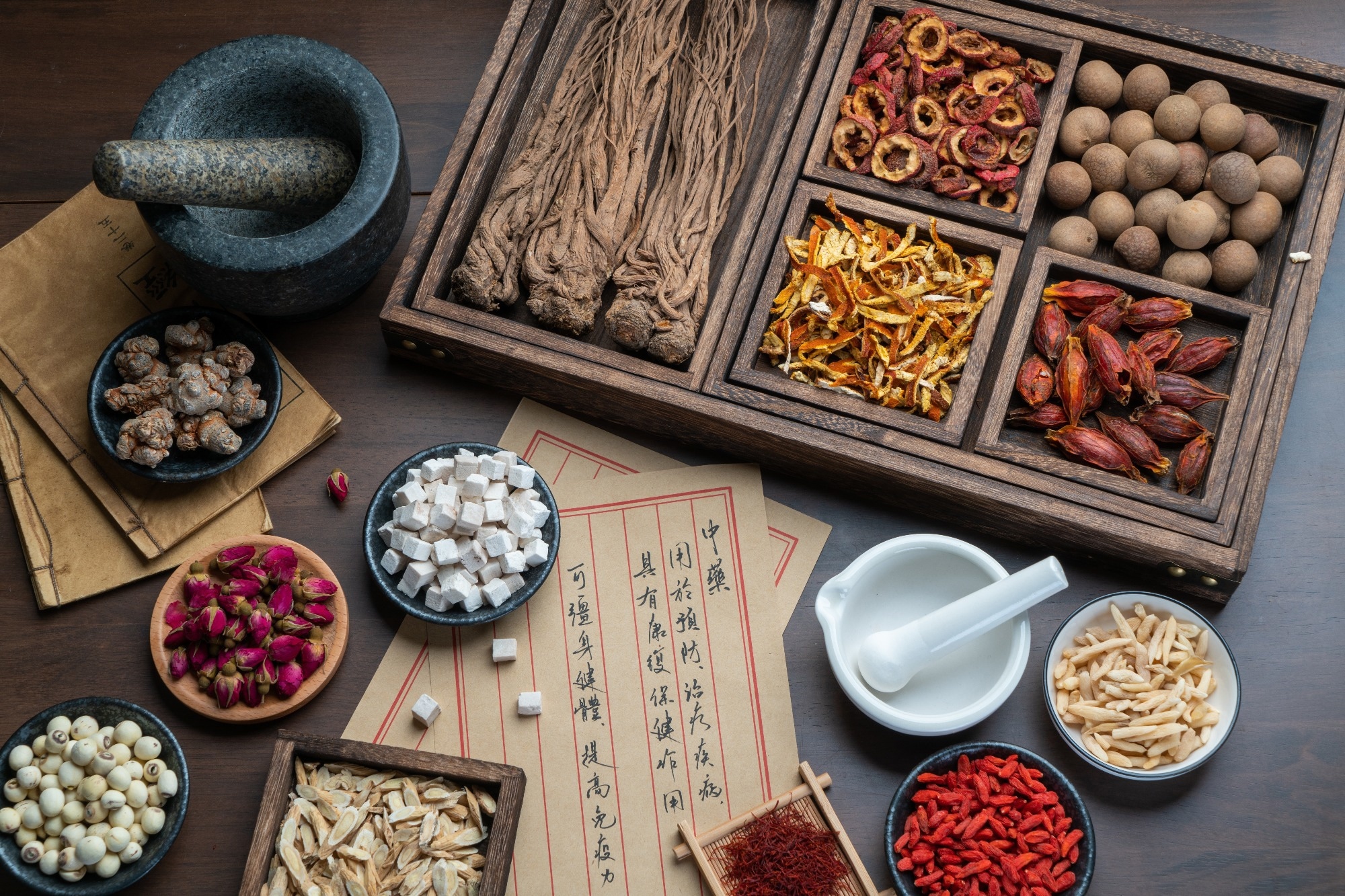
Chinese herbal medicine is another cornerstone of traditional Chinese healing. It involves the use of plant-based substances, minerals, and other natural compounds to treat a wide range of health conditions. Herbal remedies are typically prescribed in formulas, combining different herbs that work synergistically to address the root cause of the illness.

Common herbs used in Chinese medicine include:

  • Ginseng: Often used to boost energy, reduce stress, and support the immune system.
  • Astragalus: A herb that strengthens the immune system and helps prevent illness.
  • Licorice Root: Known for its ability to harmonize and enhance the effects of other herbs.
  • Goji Berries: Used to support liver health, improve vision, and promote longevity.

Herbal remedies are customized for each individual, taking into account their unique constitution, lifestyle, and health concerns. Unlike many Western medicines, which often target symptoms, Chinese herbal formulas aim to restore balance in the entire body.

3. Cupping Therapy: A Deep Tissue Healing Treatment

Cupping therapy is a practice that involves placing glass or bamboo cups on the skin to create suction. The suction is believed to stimulate blood circulation, promote the flow of Qi, and help remove toxins from the body. Cupping is commonly used to treat musculoskeletal pain, respiratory issues, and digestive disorders.

While cupping therapy was once considered an alternative treatment, it has become increasingly popular worldwide. Athletes, for example, often use cupping to relieve muscle tension, improve recovery, and enhance flexibility. The therapy has been found to improve blood flow, reduce inflammation, and promote detoxification.

4. Moxibustion: A Healing Technique Using Heat

Moxibustion is a form of therapy that involves the burning of moxa (a dried herb made from mugwort) near specific acupuncture points on the body. The heat generated from the burning herb is believed to invigorate Qi, dispel cold, and promote healing.

Moxibustion is particularly useful in treating conditions associated with cold or deficiency, such as digestive problems, joint pain, and fatigue. It can also help improve circulation and strengthen the immune system. Moxibustion is often used in conjunction with acupuncture to enhance therapeutic effects.

5. Tai Chi and Qigong: Movement for Mind-Body Wellness

Tai Chi and Qigong are ancient Chinese practices that combine slow, deliberate movements with deep breathing and mental focus. These practices are designed to cultivate, balance, and harmonize Qi within the body, promoting both physical and mental well-being.

Tai Chi, often referred to as “moving meditation,” is a form of martial art that focuses on slow, flowing movements that improve balance, flexibility, and strength. Qigong, on the other hand, involves a series of gentle movements and breathing techniques aimed at cultivating energy, reducing stress, and improving vitality.

Both Tai Chi and Qigong are highly beneficial for stress reduction, mental clarity, and physical health. They are particularly useful for older adults, as they improve balance, coordination, and overall fitness.

Modern Relevance of Chinese Medicine

Despite its ancient origins, Chinese medicine remains highly relevant in today’s fast-paced world. In fact, its principles of balance and prevention are more important than ever as modern lifestyles contribute to stress, poor eating habits, and a sedentary existence. Here are a few ways Chinese medicine is gaining prominence in the modern world:

1. Chronic Pain Management

Chronic pain, including conditions like arthritis, fibromyalgia, and back pain, is a common complaint in modern society. Chinese medicine offers natural and effective treatments such as acupuncture and herbal remedies, which have been shown to reduce pain, inflammation, and improve mobility without the need for pharmaceutical drugs.

2. Stress and Mental Health

With the rising rates of stress, anxiety, and depression, many people are turning to Chinese medicine as a complementary therapy. Acupuncture, herbal formulas, and practices like Tai Chi and Qigong have been proven to help regulate the nervous system, reduce cortisol levels, and promote relaxation and emotional well-being.

3. Digestive Health

Digestive disorders like irritable bowel syndrome (IBS), bloating, and indigestion are widespread today. Chinese medicine offers a holistic approach to improving digestion by focusing on the root cause of these issues. Acupuncture, dietary therapy, and herbal treatments help restore the balance of Qi in the digestive system, alleviate discomfort, and improve overall gut health.

4. Immune System Support

As the world faces increased health challenges, especially in light of global health crises, Chinese medicine offers valuable tools for boosting the immune system. Herbs like astragalus, along with acupuncture and dietary therapy, can help strengthen the body’s defenses and reduce the risk of illness.

Conclusion

Chinese medicine offers a unique, holistic approach to health that emphasizes balance, prevention, and natural healing. With its deep philosophical roots and time-tested therapies, it continues to provide valuable solutions to modern health problems. Whether it’s acupuncture, herbal medicine, cupping, or Tai Chi, Chinese medicine offers an array of treatments that can enhance overall well-being, manage chronic conditions, and prevent illness.

As more people seek natural and complementary approaches to healthcare, Chinese medicine offers a path to achieving optimal health, restoring balance, and living in harmony with the body and the world around us. In a world of increasing complexity and stress, the simplicity and wisdom of Chinese medicine offer a powerful reminder that health is not just the absence of disease, but a state of balanced vitality.

Diamonds: The Unyielding Gem of Nature and InnovationDiamonds: The Unyielding Gem of Nature and Innovation

Diamonds have long been cherished as symbols of enduring love, wealth, and beauty. Their timeless appeal has transcended generations, cultures, and even scientific fields, making them a uniquely versatile gemstone. While they are most often associated with engagement rings and fine jewelry, diamonds also play a crucial role in various industries, from cutting-edge technology to scientific exploration. In this article, we will uncover the multifaceted nature of diamonds, exploring their origins, uses, and the ethical considerations surrounding their production.

1. The Origins of Diamonds: Nature’s Miracle

Diamonds form deep within the Earth under extraordinary conditions. At depths ranging from 90 to 120 miles below the Earth's surface, intense pressure and heat cause carbon atoms to crystallize into a diamond's unique structure. This process can take millions of years, making diamonds some of the oldest naturally occurring materials on Earth.

Once formed, diamonds are brought to the surface through volcanic eruptions, which create kimberlite pipes—funnels of rock that allow diamonds to reach the Earth's crust. These eruptions carry diamonds from their deep origins to the surface, where they are then extracted and cut into the stunning gemstones that are treasured worldwide.

The formation of diamonds under such extreme conditions contributes to their renowned strength and brilliance. As the hardest known natural material, diamonds are unparalleled in their ability to resist scratches and retain their clarity and shine over time.

2. The Allure of Diamonds: Cultural and Emotional Significance

Diamonds have captivated humans for thousands of years, and their allure goes far beyond their physical beauty. Throughout history, they have been associated with power, prestige, and eternal love. In ancient India, diamonds were seen as sacred objects, symbolizing the divine and believed to possess protective and healing powers. The belief that diamonds could enhance strength and provide invincibility led to their use by warriors and kings.

In the West, diamonds have long been tied to royalty and the elite. European monarchs, starting with the French kings, often wore diamonds as a display of their wealth and power. The most famous example is the Hope Diamond, which was once part of the French royal collection before making its way into the hands of collectors and institutions.

The modern association between diamonds and romantic love was solidified in the 20th century with De Beers' iconic "A Diamond is Forever" campaign. This marketing strategy transformed diamonds into the ultimate symbol of love and commitment, particularly through their use in engagement rings. Today, diamonds remain a deeply emotional symbol, often representing milestone moments like engagements, weddings, and anniversaries.

3. The Science of Sparkle: How Diamonds Achieve Their Dazzling Brilliance

What makes diamonds stand out is not just their size or rarity, but their ability to reflect light in a way that no other gem can. A diamond's brilliance, or sparkle, is primarily due to its cut. The precise arrangement of facets in a diamond allows it to reflect light in such a way that it bounces off the surfaces within the stone, creating its iconic shine. The cut of a diamond is an art form in itself, with professionals carefully shaping the gem to maximize its natural sparkle.

The clarity of a diamond also plays a role in how it shines. Diamonds with fewer internal flaws, known as inclusions, allow light to pass through more easily, enhancing their brilliance. Additionally, diamonds with minimal color tend to sparkle more since they allow more light to reflect off their surfaces. Lastly, the carat weight of a diamond impacts its size, with larger diamonds typically being more valuable.

A well-cut diamond will have a perfect balance of brilliance, fire (colored flashes of light), and scintillation (the sparkle seen when the 人造鑽石 is moved). This combination of factors gives diamonds their signature visual appeal.

4. Diamonds in Industry: Beyond Jewelry

While diamonds are most famous for their use in jewelry, they also play an essential role in various industries due to their unique properties. Their unmatched hardness makes them indispensable in cutting, grinding, and drilling operations.

Diamonds are commonly used in industrial tools such as saw blades, drill bits, and grinding wheels to cut through tough materials like metal, stone, and concrete. These tools are used in manufacturing, construction, mining, and even in the creation of other gemstones. The ability of diamonds to cut through virtually any material without deteriorating ensures their continued demand in these sectors.

In recent years, diamonds have also found applications in technology. Their extraordinary thermal conductivity makes them ideal for use in electronics and high-performance computing. Diamond-based semiconductors are being developed for use in lasers, light-emitting diodes (LEDs), and other advanced electronic devices, where their ability to dissipate heat efficiently can prevent overheating and improve performance.

Moreover, diamonds are increasingly being explored for use in quantum computing, where their unique atomic structure may offer new ways to process information at unprecedented speeds and efficiencies.

5. Ethical Diamonds: Addressing Concerns About Mining Practices

The diamond industry has faced significant ethical scrutiny, particularly in regard to conflict diamonds or blood diamonds. These diamonds are mined in war zones and sold to finance armed conflict, often involving human rights violations and exploitative labor practices. To address this issue, the Kimberley Process Certification Scheme was established in 2003 to prevent the trade in conflict diamonds by ensuring that diamonds are sourced from regions not involved in conflict.

Despite these efforts, challenges remain, as the Kimberley Process has been criticized for its loopholes and lack of enforcement in some regions. This has led to growing consumer demand for ethical diamonds—stones that are mined in compliance with labor and environmental standards.

Lab-grown diamonds have become an increasingly popular alternative, offering a sustainable, conflict-free option. Created in controlled environments using high-pressure, high-temperature methods or chemical vapor deposition, lab-grown diamonds are chemically identical to natural diamonds. They have the same brilliance, durability, and beauty, but without the environmental and ethical concerns tied to traditional mining practices. As technology advances, the cost of producing lab-grown diamonds continues to decrease, making them a more accessible and ethical choice for many consumers.

6. The Future of Diamonds: Sustainability and Technological Advancements

The future of diamonds lies in both sustainability and innovation. As demand for eco-friendly and ethically sourced products continues to grow, the diamond industry is shifting toward more sustainable practices. Efforts are being made to reduce the environmental impact of diamond mining, including using more energy-efficient mining processes and restoring mined lands.

Lab-grown diamonds are poised to play a significant role in the future, offering a sustainable alternative without compromising on quality. As they become more mainstream, they could change the diamond market, providing consumers with more options for responsibly sourced, environmentally friendly diamonds.

On the technological front, diamonds will continue to be explored for their potential in fields such as quantum computing, medicine, and energy storage. Their unique properties—particularly their ability to conduct heat and light with minimal energy loss—make them invaluable in the development of next-generation technologies. As research into diamond-based materials progresses, we may see them become integral components of everything from high-speed computers to medical diagnostic devices.

Conclusion: Diamonds—A Legacy of Beauty and Innovation

Diamonds have earned their place in history as symbols of love, wealth, and resilience. Their formation deep within the Earth and their stunning ability to capture light have made them an object of fascination for centuries. While diamonds are most commonly associated with jewelry, their impact extends far beyond adornment, influencing industries, technology, and scientific advancements.

As the diamond industry evolves to meet the demands of ethical sourcing and sustainability, the gemstone's legacy will continue to shine brightly. Whether in the hands of royalty, adorning an engagement ring, or powering cutting-edge technology, diamonds will remain a symbol of nature’s brilliance and humanity’s ingenuity.

JollyHelper: Simplifying the Search for Domestic Helpers with Modern SolutionsJollyHelper: Simplifying the Search for Domestic Helpers with Modern Solutions

Hiring a domestic helper is a significant decision that requires careful consideration, especially when it comes to finding someone who fits seamlessly into your home and lifestyle. JollyHelper, a leading platform for domestic helper recruitment, has redefined this process, offering a modern, efficient, and reliable way to connect families with skilled 印傭 s.

With its comprehensive database, JollyHelper brings together a wide range of experienced helpers from countries such as the Philippines and Indonesia. Whether you're looking for a full-time housekeeper, a nanny, or a caregiver for elderly family members, JollyHelper provides a platform that allows you to easily browse profiles, assess skills, and make direct contact with candidates.

What sets JollyHelper apart is its dedication to quality and customer satisfaction. The platform is designed to ensure a smooth and transparent experience, offering detailed helper profiles, interviews, and the flexibility to filter by specific skills and experience levels. Employers can trust that they are connecting with qualified individuals who meet their unique needs.

Beyond the user-friendly platform, JollyHelper also offers ongoing support to both employers and helpers, making sure the entire process— from recruitment to the helper's integration into the household—is seamless. This level of personalized service helps build lasting relationships and ensures that both parties are happy with the arrangement.

In a world where time and efficiency are critical, JollyHelper is revolutionizing the domestic helper recruitment process by offering a simple yet highly effective solution. If you're in need of dependable, trustworthy assistance for your home, JollyHelper’s platform ensures that the search for a domestic helper is easier, faster, and more transparent than ever before.

Sundries Storage Skills: Maximizing Space and Reducing ClutterSundries Storage Skills: Maximizing Space and Reducing Clutter

In today’s fast-paced world, mastering effective 雜物收納方法 techniques is crucial for maintaining an organized and stress-free environment. Whether in a home or office, a well-organized space promotes productivity and mental clarity. MCM Professional Storage Services, a leading provider in Hong Kong, specializes in offering expert advice and hands-on support to individuals and businesses seeking optimal storage solutions.

The Importance of Efficient Sundries Storage

When it comes to managing sundries—everyday items, clothes, toys, office supplies, and more—efficient storage can drastically improve daily life. A cluttered home or workspace leads to unnecessary time spent searching for items, wasted space, and added stress. Learning the best storage practices not only saves time but also enhances the overall aesthetic of a space by maximizing its potential.

Storage Tips for Everyday Items

  1. Declutter Regularly: The first step in effective storage is eliminating items that are no longer needed. Practice the principle of “discard and organize” to clear unnecessary clutter.
  2. Utilize Vertical Space: Shelving units, hooks, and over-the-door storage can help use vertical space to store sundries while keeping floors clear.
  3. Categorize Items: Group similar items together and store them in labeled containers. This system ensures easy access when needed.
  4. Use Multi-Functional Furniture: Consider furniture with built-in storage, such as ottomans or beds with drawers, to hide away extra items without taking up additional space.
  5. Make Use of Clear Storage Bins: Transparent bins allow easy identification of contents, saving time when searching for specific items.

Professional Sundries Storage Solutions

MCM’s professional organizers, like Kitty Wong, offer tailored advice and on-site services, providing strategies that fit both the space and lifestyle of clients. These experts assist in planning and implementing personalized systems that optimize storage, allowing for better space usage and improved organization. Whether it's for a home, office, or during a move, MCM ensures that every item finds its proper place, making it easy to maintain order.

Incorporating these simple yet effective sundries storage skills can transform cluttered spaces into organized, functional environments, ultimately leading to a more peaceful and productive life.