Author: Millermarker

The Importance of Psychological Counseling for Personal GrowthThe Importance of Psychological Counseling for Personal Growth

Psychological counseling plays a significant role in enhancing personal development, well-being, and overall life satisfaction. It provides individuals with an opportunity to explore their emotions, thoughts, and behaviors in a safe and supportive environment. Dr. Amos Cheung, a renowned clinical psychologist in Hong Kong, specializes in helping people overcome psychological barriers, enabling them to lead healthier, more fulfilling lives.

Life can be challenging, and sometimes, emotional struggles can hinder personal growth. Feelings of stress, anxiety, or depression often stem from unresolved issues or difficult life events. Psychological counseling offers individuals a chance to address these concerns with the guidance of a professional who can provide valuable tools and coping strategies.

A core aspect of counseling is self-awareness. By exploring personal challenges in a structured manner, individuals gain a deeper understanding of themselves, their reactions, and how past experiences shape current behavior. This insight can lead to greater self-acceptance, stronger interpersonal relationships, and improved mental clarity.

Furthermore, counseling provides individuals with the opportunity to develop healthy coping mechanisms to handle stress, change, or conflict. This builds resilience, helping people navigate life's challenges with greater ease. Whether it's dealing with a traumatic event, improving communication skills, or managing chronic anxiety, therapy empowers individuals to grow and heal.

Ultimately, psychological 心理健康測驗 is not just about resolving problems—it's about fostering personal growth, self-improvement, and the ability to live a life aligned with one’s values and aspirations. If you're feeling stuck or overwhelmed, seeking help from a skilled psychologist like Dr. Amos Cheung can be the first step toward a more balanced and fulfilling life.

The Transformative Power of Charity: A Beacon of Hope and ChangeThe Transformative Power of Charity: A Beacon of Hope and Change

Charity is one of humanity's oldest and most fundamental practices, rooted in compassion and the desire to help those in need. Beyond the tangible assistance that charity provides, it carries with it profound emotional, social, and even economic benefits. When practiced correctly, charity does not just alleviate the immediate needs of individuals but also promotes a cycle of goodwill, helping to build stronger, more connected communities and a more empathetic world. From feeding the hungry to supporting education for the underprivileged, charity embodies the idea that we are all interconnected, and that by helping others, we create a better future for ourselves.

The Origins of Charity: A Tradition of Giving

The concept of charity has existed throughout history, transcending cultures and religions. Whether rooted in ancient traditions or modern-day practices, giving to others has always been seen as a moral and ethical duty. Many religious teachings emphasize the importance of charity as a means of building compassion and demonstrating selflessness. In Christianity, for example, charity is considered one of the three theological virtues, alongside faith and hope. Similarly, in Islam, giving to those in need is a central tenet of the faith, with the concept of Zakat (mandatory almsgiving) serving as a way to redistribute wealth within society.

Historically, charity has often been practiced by individuals, families, and communities as a way to address immediate needs, such as food, shelter, and medical care. But charity is not only about meeting physical needs—it has always been about fostering a spirit of community and mutual care, with the understanding that helping others is essential to the well-being of all.

Charity's Far-Reaching Impact: Transforming Lives and Societies

Charity’s impact goes far beyond providing for the basic needs of individuals. It can be a powerful tool for social change, helping to address systemic issues such as poverty, inequality, and injustice. Charitable organizations and initiatives play a critical role in advancing causes that would otherwise be neglected by governments or businesses, offering a voice and a platform to those who need it most.

Take, for example, charitable work focused on education. Access to education is one of the most significant factors in breaking the cycle of poverty. Charitable organizations that provide scholarships, school supplies, and free educational programs enable children in impoverished communities to pursue their dreams, often lifting entire families out of poverty in the process. Education opens doors to opportunity, and charity provides the key.

Charity also fosters social cohesion by addressing inequalities. Many charitable organizations focus on alleviating the struggles faced by marginalized groups, including racial minorities, refugees, and those with disabilities. By helping these communities, 捐款扣稅 works to create a more inclusive society where every individual has an equal opportunity to succeed. Furthermore, charity helps bring awareness to these issues, prompting policy changes and inspiring others to act.

Personal Growth Through Giving: The Psychological Benefits of Charity

While charity undoubtedly benefits those who receive it, it also has powerful psychological benefits for the giver. In fact, numerous studies have shown that acts of kindness and charitable giving can lead to increased happiness, improved mental health, and a stronger sense of purpose. When individuals engage in charitable acts, they experience a boost in their mood, a reduction in stress, and a greater sense of fulfillment.

Giving to others triggers the release of endorphins and oxytocin, hormones associated with happiness and bonding. These feel-good chemicals help reduce anxiety and promote a sense of well-being. In a world that often feels fast-paced and disconnected, charitable acts offer a meaningful way to connect with others and create a positive impact.

Additionally, charity can provide a sense of purpose and meaning. Helping others reminds us of our shared humanity and our ability to make a difference in the world. Whether it’s volunteering at a local shelter, mentoring a young person, or donating to a cause, charity aligns us with something greater than ourselves and allows us to contribute to the common good.

The Role of Technology in Modern Charity

In today’s digital age, technology has revolutionized how we approach charity. The internet has made it easier than ever to donate to causes, volunteer remotely, and spread awareness. Online platforms such as crowdfunding websites, charity auctions, and donation apps have simplified the giving process, allowing individuals to support causes from anywhere in the world.

Social media, in particular, has become a powerful tool for raising awareness and mobilizing people around charitable causes. Organizations can share their work with a global audience, encouraging people to donate, volunteer, or advocate for change. Viral campaigns, such as the Ice Bucket Challenge or GoFundMe fundraisers, show the power of social media in bringing attention to important causes and motivating people to contribute.

Furthermore, technology enables more targeted charitable efforts. With data analytics, charitable organizations can identify the communities and individuals most in need, ensuring that their resources are used efficiently and effectively. The ability to track donations, measure outcomes, and ensure transparency has made charitable giving more accountable, helping donors feel confident that their contributions are making a real difference.

Charity as a Path to Sustainability and Long-Term Impact

While charity is often associated with short-term relief efforts, the modern approach increasingly emphasizes sustainability and long-term solutions. Charitable organizations are moving toward models that not only address immediate needs but also create lasting change by addressing the root causes of societal issues. This shift has led to the rise of social enterprises, which blend charity with business practices to create sustainable, self-sufficient models for social impact.

For instance, some charities focus on providing microloans to entrepreneurs in developing countries, enabling them to start businesses and create jobs within their communities. Others focus on environmental sustainability, providing support for initiatives aimed at combating climate change and protecting natural resources. These approaches ensure that charitable efforts create long-lasting benefits, helping to build resilient communities and reduce future dependency on aid.

Moreover, many organizations are increasingly focused on empowering individuals and communities to take charge of their own development. Through skills training, capacity-building, and leadership development, charities are helping people lift themselves out of poverty and create lasting change. This empowerment approach ensures that charity does not just offer temporary relief, but equips people with the tools they need to create better futures for themselves and their families.

The Future of Charity: A Call to Action

As the world continues to grapple with complex challenges, from climate change to global health crises, the need for charity will only continue to grow. However, charity must evolve to meet these challenges, focusing on both immediate relief and long-term solutions. By combining compassion with innovation, charity has the potential to tackle some of the world’s most pressing issues and create a more just, equitable, and sustainable future.

As individuals, we all have the power to make a difference. Whether through donating our time, money, or skills, we can all contribute to the betterment of society. The impact of charity is not limited to large organizations or wealthy philanthropists—it starts with each of us. By supporting causes we care about and engaging in acts of kindness, we can help build a world where compassion, generosity, and justice reign.

In the end, charity is not just about giving—it’s about creating a cycle of positive change that transforms lives, strengthens communities, and fosters a more compassionate world. Together, we can make a difference, one act of kindness at a time.

Group Shipping: A Cost-Effective and Sustainable Logistics SolutionGroup Shipping: A Cost-Effective and Sustainable Logistics Solution

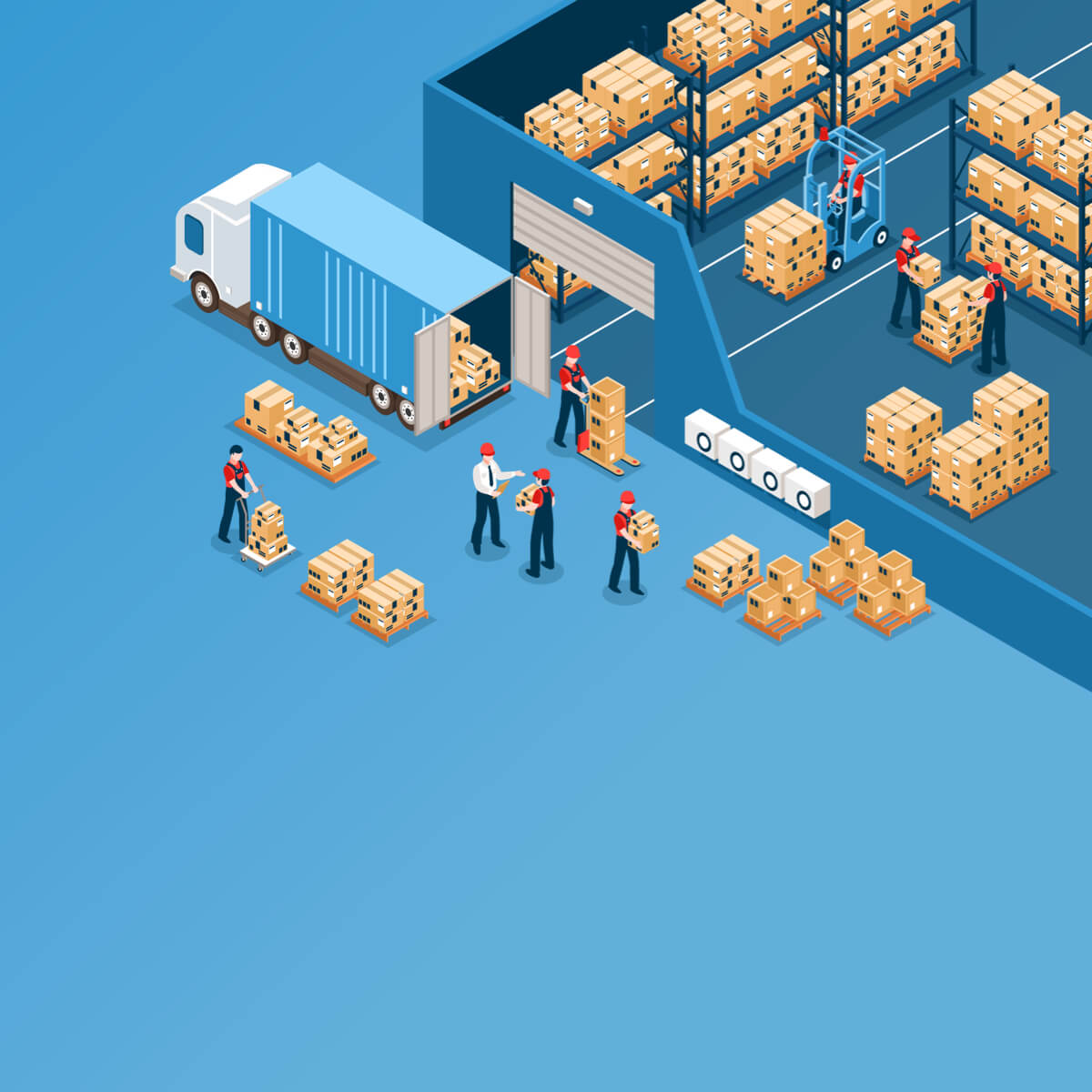
Group shipping is a logistics strategy that consolidates multiple shipments from different businesses or individuals into a single transportation load. This approach not only reduces costs but also increases efficiency and sustainability in supply chain operations. With the rise of e-commerce and global trade, group shipping is becoming an essential practice for businesses looking to optimize their shipping processes.

Key Benefits of Group Shipping

  1. Cost Reduction
    By sharing shipping costs with others, businesses can significantly lower their transportation expenses.

  2. Improved Delivery Efficiency
    Group shipping enables better route planning and fewer empty truckloads, resulting in faster and more reliable deliveries.

  3. Eco-Friendly Shipping
    Fewer trucks on the road mean reduced fuel consumption and lower greenhouse gas emissions, making group shipping a sustainable logistics solution.

  4. Maximized Transport Space Utilization
    Consolidating shipments ensures that cargo space is fully utilized, preventing wasted capacity in shipping vehicles.

Challenges of Group Shipping

  1. Complex Coordination
    Managing shipments from different sources requires precise scheduling and coordination.

  2. Limited Flexibility
    Unlike dedicated shipments, group 集運費用 follows a fixed schedule, making last-minute changes more difficult.

  3. Potential Delivery Delays
    If one shipment within the group experiences delays, it may impact the overall delivery timeline.

Best Practices for Effective Group Shipping

  1. Partner with Reputable Logistics Providers
    Choosing an experienced logistics company ensures efficient operations and minimizes disruptions.

  2. Utilize Advanced Tracking Technology
    Real-time tracking tools offer visibility into shipment progress and improve supply chain management.

  3. Plan Shipments in Advance
    Early planning allows businesses to align schedules and optimize cost savings.

  4. Ensure Proper Packaging and Labeling
    Secure and well-labeled packages help prevent damage and misplacement during transit.

Conclusion

Group shipping offers a cost-effective and sustainable solution for businesses looking to optimize their logistics processes. While coordination challenges exist, leveraging reliable shipping partners and advanced technology can help companies maximize the benefits of this strategy. As global supply chains continue to evolve, group shipping remains a valuable approach to reducing costs and enhancing efficiency in transportation.

Exploring the Benefits of Traditional Chinese Medicine for Acne TreatmentExploring the Benefits of Traditional Chinese Medicine for Acne Treatment

Acne is one of the most common skin conditions worldwide, affecting both adolescents and adults. It often results in inflammation, clogged pores, pimples, and emotional distress. While acne is typically associated with teenage years due to hormonal changes, it can continue into adulthood, especially for individuals with underlying health issues such as hormonal imbalances, digestive problems, or high levels of stress. Western treatments like antibiotics, creams, and medications offer temporary relief, but they often do not tackle the root causes of the condition and can come with side effects.

In contrast, Traditional Chinese Medicine (TCM) provides a holistic and natural approach to acne treatment by targeting the internal imbalances that contribute to the condition. By restoring harmony within the body, TCM treatments focus on preventing future outbreaks and improving overall skin health in a sustainable way.

At Yang Kang Chinese Medicine, specialists utilize a range of TCM therapies to treat acne, emphasizing the importance of balancing both internal and external factors. This article explores how TCM approaches acne treatment and the benefits it offers over traditional Western methods.

Understanding Acne in TCM

In Traditional Chinese Medicine, acne is seen as a sign of internal disharmony rather than just a surface skin issue. TCM practitioners believe that acne reflects an imbalance in the body's energy, or Qi, as well as disruptions in the functions of specific internal organs such as the Liver, Spleen, Stomach, and Kidneys.

According to TCM theory, acne can result from several key imbalances:

  1. Heat and Dampness: In TCM, acne is often attributed to the presence of heat and dampness within the body. Heat can be caused by excessive stress, poor dietary choices (such as eating greasy or spicy foods), or hormonal changes. Dampness is linked to the digestive system and can occur when there is poor digestion or an excess of oily, rich foods.

  2. Liver Qi Stagnation: The Liver is crucial in TCM for regulating the flow of Qi (vital energy). When Liver Qi becomes stagnant, often due to stress, anger, or frustration, it can lead to the accumulation of heat and toxins in the body, resulting in acne, especially around the chin and jawline.

  3. Spleen Qi Deficiency: The Spleen in TCM is responsible for transforming food into nutrients and energy. A deficiency in Spleen Qi can lead to weak digestion, resulting in the formation of dampness and heat, which contributes to acne formation.

  4. Blood Deficiency: If the body’s blood is deficient, the skin may lack proper nourishment, leading to poor skin health and acne.

TCM Treatments for Acne

TCM treatments focus on restoring balance in the body and addressing the root causes of acne, rather than simply masking symptoms. A combination of therapies including acupuncture, herbal medicine, cupping, and dietary adjustments can significantly reduce acne and improve skin appearance over time.

1. Acupuncture for Acne

Acupuncture is one of the most widely used treatments in TCM for acne. By inserting fine needles into specific points on the body, acupuncture aims to restore the smooth flow of Qi and blood. It helps to alleviate internal heat, regulate hormones, improve circulation, and reduce stress—all factors that can contribute to acne.

For acne treatment, facial acupuncture is particularly effective. It targets points that correspond to the skin, liver, and digestive system, helping to detoxify the body, reduce inflammation, and promote healing. Acupuncture also helps to balance the body's hormones, particularly in cases of acne caused by hormonal fluctuations.

2. Herbal Medicine

Herbal medicine plays a significant role in TCM acne treatments. A variety of herbs are used to clear heat, eliminate toxins, nourish the skin, and strengthen internal organ function. Each individual’s acne is unique, and practitioners tailor herbal formulas to address the specific imbalances contributing to the condition.

Some commonly used herbs in acne treatment include:

  • Dandelion root: Known for its detoxifying properties, dandelion root helps clear heat from the body and improves liver function.
  • Pueraria root: Helps to relieve internal heat and clear toxins.
  • Chrysanthemum flowers: Often used to reduce inflammation and cool heat, particularly for acne related to stress or hormonal imbalances.
  • Huang Lian (Coptis): A potent herb used to clear heat and reduce inflammation, especially for red and inflamed acne.

These herbs are often used in custom formulas designed to balance the body’s internal systems and address acne from the inside out. Herbal remedies can come in various forms, such as teas, pills, or tinctures, depending on the patient's condition and preferences.

3. Cupping Therapy

Cupping therapy is an ancient TCM technique that involves placing special cups on the skin to create suction. This suction promotes blood circulation, boosts the flow of Qi, and helps detoxify the body. Cupping therapy is particularly beneficial for individuals experiencing stagnation or blockages in their circulation or energy flow, which can contribute to acne.

By enhancing blood flow to the skin, cupping helps nourish the skin and encourages the removal of toxins that may be contributing to acne. Cupping therapy is also effective in reducing stress and relaxing the body, which can help prevent acne flare-ups caused by emotional tension.

4. Facial Steaming and Herbal Masks

Facial steaming and herbal masks are common TCM treatments for acne that help cleanse the skin and promote healthy circulation. During a facial steam, herbal infusions such as chrysanthemum or green tea are used to open the pores, allowing impurities, dead skin cells, and excess oil to be expelled.

Herbal masks made from ingredients like turmeric, licorice root, and green tea are applied to the skin to reduce redness, fight bacteria, and soothe irritation. These treatments not only help cleanse and detoxify the skin but also promote healing, making them a great complement to other acne treatments.

5. Dietary Recommendations

Diet plays a critical role in both the prevention and treatment of acne in TCM. Certain foods can exacerbate acne by promoting internal heat or dampness, while others can help balance the body and nourish the skin.

  • Foods to Avoid: Greasy, fried, and spicy foods should be avoided, as they can increase heat in the body. Dairy and sugary foods should also be reduced, as they can contribute to hormonal imbalances and inflammation.
  • Foods to Include: Fresh fruits and vegetables, whole grains, and lean proteins are recommended to support overall health and skin function. Foods like spinach, sweet potatoes, pumpkin, and carrots are excellent choices because they help balance the body’s internal systems and reduce inflammation.

Drinking plenty of water and herbal teas such as chrysanthemum tea can also help detoxify the body and promote clearer skin.

Why Choose TCM for Acne Treatment?

Traditional Chinese Medicine offers several advantages over conventional acne treatments, making it an appealing option for individuals looking for a more holistic, natural, and effective solution to acne. Here are some key reasons why TCM may be a better option for treating acne:

  1. Holistic Approach: TCM looks at the body as a whole, addressing the internal imbalances that lead to acne, rather than just treating the surface symptoms. This ensures that treatment is not only effective in clearing 針灸暗瘡 but also promotes overall health and well-being.

  2. Natural Remedies: Unlike many Western acne treatments that rely on chemical-based products, TCM uses natural remedies such as herbs, acupuncture, and cupping, which are gentle on the body and free from harsh side effects.

  3. Customized Treatment Plans: Each individual’s acne is unique, and TCM treatments are personalized to meet the specific needs of each patient. This ensures a more tailored approach that targets the root causes of acne.

  4. Prevention: TCM not only focuses on treating existing acne but also on preventing future flare-ups by restoring balance to the body. By improving internal health, TCM helps to minimize the chances of acne reoccurring.

Conclusion

Acne is a challenging condition, but Traditional Chinese Medicine offers a safe, natural, and holistic solution to treat and prevent it. By focusing on the root causes of acne, TCM promotes overall health, improves skin function, and helps restore balance within the body. Whether you are struggling with persistent breakouts, hormonal acne, or stress-related flare-ups, TCM provides a comprehensive and individualized approach to achieving clearer, healthier skin. If you're looking for an alternative to chemical treatments, consider exploring TCM at Yang Kang Chinese Medicine for a more natural and long-lasting solution to acne.

Online Slot: Your Last Guide To Spinning And VictoriousOnline Slot: Your Last Guide To Spinning And Victorious

Online slot games have become one of the most nonclassical forms of online amusement in the whole number era. Whether you re a unplanned gamer looking for fun or a experient player seeking big wins, online slots offer an exciting see with vibrant art, immersive themes, and the chance to win real money. This article will guide you through everything you need to know about online slots, from how they work to tips for maximizing your gameplay.

What Is an Online Slot?

An online slot is a realistic edition of the orthodox slot simple machine establish in casinos. Instead of pull a jimmy, players spin whole number reels on their computing device or Mobile . These reels boast symbols, and when certain combinations line up, you win prizes according to the game s paytable.

Online slot gacor come in various forms, including:

Classic slots Simple designs with three reels and staple symbols.

Video slots Modern games with advanced nontextual matter, animations, and multiplex paylines.

Progressive kitty slots Offer massive prizes that grow until someone wins.

How Online Slots Work

All online slot machines use Random Number Generators(RNG) to ascertain fair outcomes. Every spin is mugwump and not influenced by premature results. The RNG produces thousands of number combinations per second, and the second you click”spin,” it determines your result instantaneously.

Key Components of Online Slots:

Reels The upright sections that spin when you play.

Paylines Lines that victorious combinations.

Symbols Regular and specialised icons, such as Wilds and Scatters.

Bonus Features Free spins, multipliers, and interactive mini-games.

Why Are Online Slots So Popular?

The popularity of online slots comes from their ease of play, variety, and accessibility. You don t need hi-tech skills to take up, and there s a slot game for every smack whether you prefer ancient Egyptian adventures, fantasize worlds, or yield-themed .

Benefits of Playing Online Slots:

Convenience Play anytime, anywhere.

Wide Selection Thousands of games to select from.

Low Minimum Bets Suitable for all budgets.

Potential for Big Wins Especially in progressive tense jackpots.

Tips for Playing Online Slots

While online slots are games of chance, these strategies can help improve your experience:

Understand the Paytable Learn the value of each symbol and incentive feature.

Set a Budget Never bet on more than you can give to lose.

Try Free Demos First Practice before betting real money.

Look for High RTP Games RTP(Return to Player) shows the average payout part. Aim for games with 95 or high.

Use Bonuses and Promotions Take advantage of welcome offers, free spins, and loyalty rewards.

Mobile Online Slots

With Mobile gambling on the rise, most online casinos now volunteer Mobile-optimized slot games. You can play directly through your smartphone browser or a gambling casino app for a smoother experience.

Responsible Gaming

While online slots are exciting, it s necessity to play responsibly. Set limits on time and disbursal, take breaks, and regale slots as entertainment not a bonded income seed. Many casinos ply self-exclusion tools to help players wangle their habits.

Conclusion

The worldly concern of online slot gambling offers infinite amusement, surprising visuals, and the vibrate of victorious from the console of your home. By understanding how slots work and using hurt strategies, you can enhance your undergo while playing responsibly. Whether you re spinning the reels for fun or chasing a pot, online slots promise an invigorating venture every time.