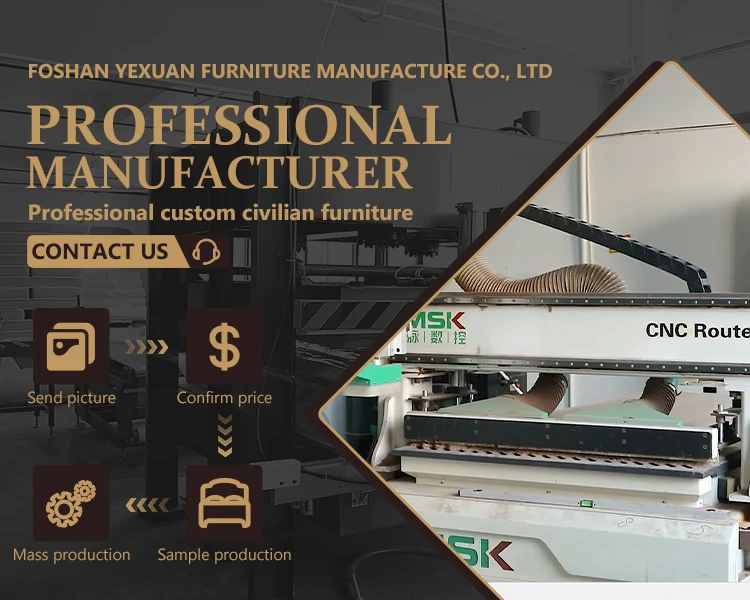
Top 10 Tips For Evaluating The Possibilities Of Customization Provided By The Chinese Furniture Maker
Here's a step-by-step guide to assist you in evaluating the options for customization offered by a Chinese furniture company like OPPEIN.
1. You can design your own product:
Begin by exploring the extent of customization that the manufacturer can provide. This can include options for shapes, sizes and colors, as well as materials and finishes. A reliable manufacturer provides a large variety of choices and their products can be tailored to suit different styles and functions. To get a sense of the capabilities offered by the manufacturer look for a catalogue or portfolio of past designs that have been customized.
2. Find out more about Design Flexibility.
Examine the flexibilities of the manufacturer with regard to design modifications. Are they receptive to changes according to customer specifications? You should find a manufacturer who is willing to make changes to their designs, for example altering the dimensions to fit in a particular space or incorporating features to enhance the functionality. Talk about your specific requirements and notice how well they can accommodate you.
3. Explore the Material Options
Furniture must be able to be customised according to the materials it is constructed out of. Find out about the different kinds of materials that are customized, such as finishes, wood types, and laminates. Choose materials that meet both aesthetic needs and functional needs.
4. Check the color and finish choices:
You can achieve a unique style of your furniture by selecting a manufacturer who offers an array of colours and finishes. Ask for samples of available finishes and colors, and ensure they can provide specific colors in the event of need. The quality of finishes can greatly affect the appearance and durability of furniture, which is why it's important to assess the quality of your furniture thoroughly.
5. Assess Design Software and Tools:
Modern furniture manufacturers utilize design software that allows customers to visualize their custom-designed order. If the manufacturer has such tools available, they can make customization more efficient and interactive. This technology will allow you to create and modify designs easily and provide a better picture of the final product before production starts.
Check out previous custom projects:
Find out if the company has ever done any work that was custom previously. This will provide an understanding of their experience and expertise in handling customized orders. Attention should be paid to the diversity and complexity of the projects. Also, pay attention the reviews of clients regarding the customization process.
7. Evaluation of the communication process during customization
Effective communication throughout the customisation process is essential. The way the manufacturer communicates with clients regarding designs, deadlines, and possible challenges is crucial. A responsive and transparent communication approach can dramatically improve the customization experience, ensuring that your needs are fully understood and met.
8. For Custom Orders, inquire about Lead Time:
Custom furniture could have longer lead times compared to standard products. A manufacturer's lead times on custom orders are essential to know. Check if the business can meet urgent requests. Understanding your timeline is vital for planning, especially if you are faced with deadlines or occasions that require furniture.
9. Learn more about the process of placing an order:
Be familiar with the process of ordering custom furniture. Ask the steps, starting with initial discussions about design and ending with final approval and manufacturing. It is easier to navigate the customization process more smoothly with a clearly defined process.
10. Support after sales for custom projects:
Also, inquire about the support offered by the manufacturer after sales specifically for custom furniture. In this support are warranty terms, the availability of replacement parts and any help you might need with issues that arise after delivery. Strong after-sales customer support shows that a company is dedicated to their customers as well as the quality of products that they design and manufacture.
To conclude, evaluating the options for customization offered by OPPEIN requires the thorough examination of many factors. This includes the flexibility of design and the choice of material as well as the efficiency of communicating. Follow these tips to make sure that the company will satisfy your needs and expectations. Take a look at the most popular wooden door manufacturers for site tips including kitchen cabinet kitchen cabinet, white modern cabinets kitchen, kitchen cabinet store, cabinets, contemporary kitchen design, kitchen cupboards, cabinets, contemporary kitchen cabinet colors, kitchen cabinets, cheap kitchen cupboards and more.
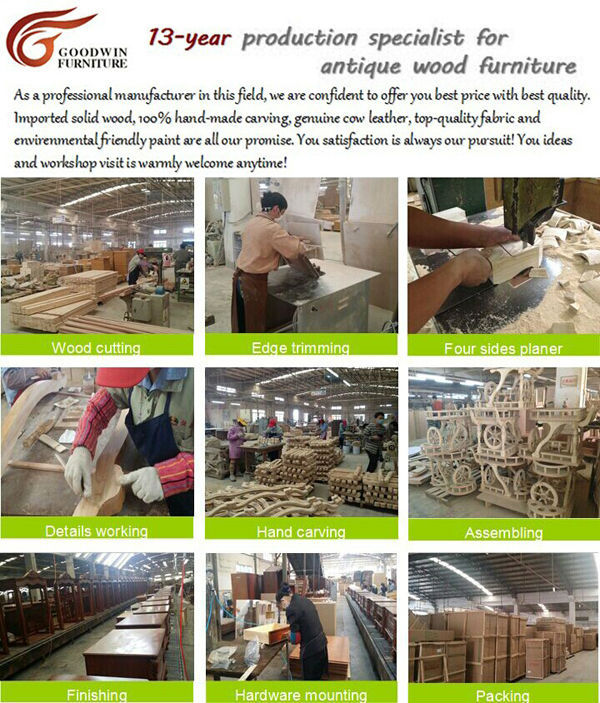
Top 10 Tips For Evaluating The Sustainable Practices Of A Chinese Furniture Manufacturer
This is a complete guide to assessing the sustainability practices of the Chinese furniture maker like OPPEIN especially when it comes to custom furniture like cupboards, kitchen cabinets, and more.
1. Research the Manufacturer's Sustainability Policies:
Start by studying the official sustainability guidelines of the company. A lot of companies make public their environmental commitments on their websites or in their sustainability reports. Find out what they're doing to reduce waste, cut down on carbon emissions and protect resources. A clearly articulated sustainability policy demonstrates the company's commitment to sustainability.
2. For more information about material sourcing:
Examine the origins of the materials. Sustainable practices usually involve using renewable, recycled, or sustainably harvested products. Check to see if the wood comes from sources that have been certified. For instance, those certified by Forest Stewardship Council. The knowledge of their sourcing policies will help determine their commitment towards sustainability.
3. Evaluate manufacturing processes:
Examine the manufacturing process used by the manufacturer to create the product. Energy-efficient machines, water reduction and minimizing waste are just a few examples of sustainable production methods. Inquire about the manufacturer's manufacturing methods and if they have taken steps to lessen the environmental impact when they manufacture.
Life cycle assessment reviews:
Check whether the manufacturer performs life cycle assessments (LCAs) on their products. LCAs evaluate the environmental impact of a product from its beginning to production, use and disposal. LCAs are typically used by companies who are committed to sustainability. They highlight their efforts to reduce negative effects throughout the lifecycle of a product.
5. Examine waste management practices:
Check out the practices of the manufacturer to reduce waste. Sustainability manufacturers have often implemented strategies to minimize waste. This includes recycling scrap materials and repurposing products in the manufacturing process. Learning how they manage waste can help to understand their efforts to be sustainable and their dedication to the circular economy.
6. Find out how energy is used and the efficiency.
Evaluate the energy sources within the manufacturing facilities. Renewable energy sources like solar, wind or biomass are employed by companies to lower their carbon footprint. Find out about measures to improve energy efficiency like lighting, machinery and building designs that reduce energy use.
7. Examine Packaging Practices:
Assessment of sustainability practices and materials used in packaging used by manufacturers. Sustainable packaging must prioritize biodegradable products and designs. Find out about their packaging and whether they are following practices such as Reduce-Reuse-Recycle to reduce the impact on the environment when handling and shipping.
8. Find out about certifications and compliance.
Find any sustainability certificates the manufacturer might have received. Certifications from recognised organizations like ISO 14001 (environmental management) or LEED for green building demonstrate the company's commitment to sustainability. These certifications could provide proof that the builder adheres to environmental guidelines.
9. Assess Social Responsibility efforts:
Sustainability goes beyond environmental practices and includes social accountability. Check out the manufacturer's working practices. This is a good thing, as it will ensure fair wages and employees' rights. A manufacturer's holistic approach to business is reflected by a focus on social sustainability.
10. Get feedback from eco-conscious clients:
Reach out to other clients and industry professionals to obtain their opinion on the manufacturer's sustainable practices. Online forums, sustainability-focused groups, and reviews can provide insights from individuals who have firsthand experience with the manufacturer's commitment to sustainable practices. Their perspectives can assist you in making an informed decision about the sustainability of your product.
To conclude, assessing sustainable practices of a Chinese furniture manufacturer like OPPEIN is a thorough assessment of their policies and initiatives in social responsibility, and also the source of materials, manufacturing methods, etc. These tips can help you to ensure that your manufacturer respects your principles of sustainability and is dedicated to protecting the environment. This will result in an investment that is more environmentally responsible. View the best windows in China for blog advice including cupboard in the kitchen, contemporary kitchen ideas, wardrobe in closet, contemporary kitchen, open cupboard kitchen, wardrobe armoire with drawers, cupboard kitchen cabinet, modern kitchen cupboards, custom kitchen cupboards, cabinet and closet and more.