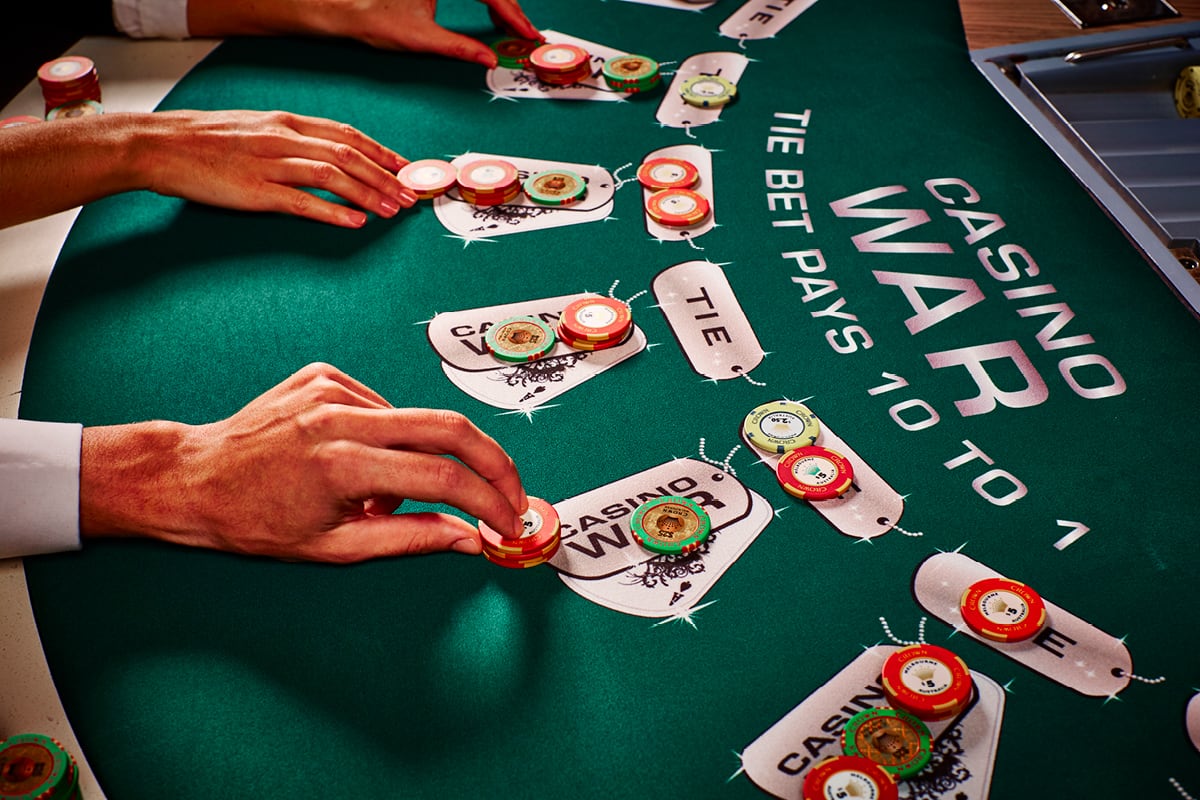
Mungkin Anda bertanya-tanya mengapa banyak orangutang berhasil mencari nafkah melalui taruhan olahraga? Ini mungkin karena fakta bahwa mereka menemukan sistem taruhan yang membuat mereka sukses setiap saat, atau mereka hanya memiliki strategi taruhan olahraga yang jauh lebih baik. Karena semua orangutang tahu bahwa tidak ada strategi taruhan olahraga yang dapat memastikan kemenangan a centred, maka kemungkinan besar taktik yang mereka miliki dalam memasang taruhan lebih menguntungkan daripada kebanyakan taktik lainnya. Dijelaskan bahwa pilihan olahraga adalah jenis taruhan yang paling dapat diprediksi di hampir semua writing style olahraga.Dalam kebanyakan kasus, Anda dapat menikmati peluang menang lima puluh lima puluh atau bahkan lebih, terutama jika Anda telah memilih pilihan olahraga profesional yang Anda andalkan. Anda bahkan mungkin dapat mengubah fifty dollar bill persen peluang Anda untuk menang menjadi 90 dari kemenangan tertentu. Namun hampir tidak ada yang mengalahkan toto188 dengan pilihan olahraga free of buck. Mendapatkan pilihan olahraga free of shoot down sebenarnya tidak rumit karena dapat berlokasi di seluruh lokasi.Mempertimbangkan bahwa Anda tidak hanya bertujuan untuk bersenang-senang saat mengikuti acara olahraga tetapi pada saat yang sama juga, Anda ingin memiliki kesempatan untuk meningkatkan penghasilan Anda, itu memang benar. hanya cocok untuk meneliti rencana taruhan Anda yang picket fence tepat yang dapat mendidik Anda tentang strategi dalam perdagangan. Dengan cara ini, Anda mungkin dapat meningkatkan kemenangan Anda dengan sangat cepat dalam hal apa pun. Jika Anda masih bingung dengan bagaimana sebenarnya tujuan Taktik Taruhan Olahraga, Anda dapat memilih untuk menelusuri ulasan mereka yang disediakan di web di seluruh dunia untuk memiliki pemahaman yang lebih baik tentang bagaimana personal manner tersebut. taruhan untuk setiap acara olahraga mungkin berbeda-beda.Jika jumlah uang yang dapat Anda keluarkan untuk bertaruh terbatas, maka Anda juga dapat menempatkannya pada taruhan terbaik. Cobalah untuk menemukan salaah satu garis hamper terkuat yang tersedia. Jika angkanya cukup bagus untuk Anda secara pribadi maka tidak ada gunanya memasang taruhan Anda. Pastikan Anda merasa nyaman menggunakan angka-angka tersebut.Mungkin akan menjadi Pongo pygmaeus yang cerdas untuk memeriksa administrasi daftar pemberi pinjaman Anda sebelum Anda memasang taruhan. Jangan bertaruh semua yang Anda miliki. Hanya bertaruh sejumlah uang yang dapat Anda beli untuk dihilangkan karena seperti yang disebutkan sebelumnya, setiap taruhan sebelumnya tidak dapat dimenangkan. Jumlah uang tunai terbaik yang harus Anda pertaruhkan mungkin adalah 50 dari jumlah uang Anda terutama karena Anda tidak pernah tahu kapan keadaan berjalan sebaliknya sehingga Anda harus memulai kembali. Untuk menghindari risiko kehilangan yang besar, Anda benar-benar perlu mempertimbangkan perjudian . Ini berarti Anda harus bertaruh dengan jumlah uang yang sama pada setiap taruhan sebelumnya yang Anda oryx. Ini akan berguna dalam kasus Anda karena mengurangi peluang Anda untuk menghadapi kerugian besar dan meningkatkan peluang Anda untuk mendapatkan jumlah pendapatan yang sama dengan setiap kemenangan.Bertaruh pada permainan tunggal, seperti tenis, mungkin yang tercepat dan picket fence cocok untuk pemula. Dalam olahraga tersebut seorang petaruh hanya perlu memahami kompetensi para pemainnya untuk mengetahui siapa yang akan menang. Mencari tahu tentang kecelakaan atau masalah lainnya tidak menimbulkan rasa sakit, dan dapat diperhitungkan dalam taruhan Anda.
Winning the lottery is often seen as the ultimate stroke of luck—a life-changing event that can instantly transform an individual's financial situation, lifestyle, and future. For many, the dream of winning big is a tantalizing fantasy, and the thought of going from an ordinary existence to a millionaire overnight is enough to fuel dreams and inspire countless hopefuls to purchase tickets. Yet, the journey from winning the lottery to managing the newfound fortune is often a thrilling, yet complex, experience. In this article, we explore the emotional rollercoaster of winning the https://confuciusucc.com/ , its profound effects on winners’ lives, and the broader societal impact of these sudden wealth shifts.
The Dream Realized: The Thrill of Winning
The sheer thrill of winning the lottery is almost impossible to describe. It is a combination of shock, disbelief, and exhilaration, as winners grasp the magnitude of their newfound wealth. Whether it's a multi-million dollar jackpot or a substantial prize, the emotional surge that comes with being handed such an unexpected windfall is overwhelming. In most cases, the news breaks in an instant—often with a phone call or a lucky moment of realization when the winning numbers are matched.
For many winners, this moment is the realization of a long-held dream—a vision of financial freedom, the ability to live comfortably, travel the world, and give back to loved ones. The initial high can be intoxicating, as the possibilities seem endless. Winners often experience a temporary sense of invincibility, as though nothing can stop them now. This feeling is one of the most exhilarating aspects of winning the lottery, offering a sense of empowerment and self-affirmation.
The Reality Check: The Challenges of Sudden Wealth
However, the excitement of winning the lottery is often followed by the reality check of how to navigate such an enormous change. Suddenly, with so much wealth at one’s disposal, the responsibility of managing it can become a daunting task. Many winners, without a clear plan, experience what is known as “lottery curse,” where the joy of winning gradually fades into financial mismanagement, strained relationships, and feelings of isolation.
Managing newfound wealth requires careful thought and strategy, as the pressure to make the right decisions can be overwhelming. The desire to help family and friends, invest wisely, and avoid financial pitfalls can be both empowering and stressful. Without the necessary guidance, winners may find themselves making impulsive decisions, leading to a depletion of wealth over time. Financial experts recommend that lottery winners take time to consult with financial advisors, legal experts, and counselors to ensure they are making informed choices that protect their future.
The Personal Impact: Emotional and Social Struggles
The emotional impact of winning the lottery can also be complex. While it’s easy to assume that having more money leads to greater happiness, the reality is often more nuanced. Some winners experience increased stress, anxiety, and feelings of alienation from their pre-lottery life. The sudden shift in lifestyle can create tension within relationships, as friends and family may feel entitled to share in the wealth, leading to conflicts and misunderstandings.
For others, the newfound fortune can be a double-edged sword, causing guilt or concern about how their wealth might affect their personal identity or relationships. The fame that often comes with winning a large lottery prize can also result in unwanted attention, leaving winners feeling vulnerable. They may struggle with distinguishing who their true friends are and who may be seeking financial assistance or personal gain.
Broader Societal Impact: The Ripple Effect of Wealth
While the personal impact of winning the lottery is a major concern, the broader societal effects are also significant. High-profile winners often use their wealth to contribute to charitable causes, creating a ripple effect of goodwill that benefits communities, organizations, and global initiatives. In some cases, winners establish foundations, fund scholarships, or donate to causes they are passionate about, which can lead to positive social change.
However, the increased wealth of a few individuals can also exacerbate issues of economic inequality. Critics argue that such sudden windfalls concentrate wealth in the hands of a few, further deepening societal divisions. The public spectacle of lottery winners living lavish lifestyles can sometimes serve as a stark contrast to the economic struggles faced by everyday people, leaving many questioning the fairness of a system that offers such an unpredictable distribution of wealth.
Conclusion: A Journey of Transformation
Winning the lottery is undoubtedly a thrilling experience—one that offers the promise of financial security, freedom, and opportunity. However, it is important to recognize that the impact of such an event extends far beyond the initial euphoria. For many winners, the journey involves navigating the complexities of wealth management, coping with emotional challenges, and understanding the societal implications of their sudden fortune.
Ultimately, the lottery is a metaphor for both the rewards and the pitfalls of fortune. While it may bring wealth and opportunity, it also requires careful stewardship to ensure that it leads to a fulfilling and sustainable future. For those fortunate enough to win, the challenge lies not only in how to spend the money, but how to maintain a balanced, meaningful life amid the whirlwind of success.
Kasino online telah berkembang pesat dalam beberapa tahun terakhir, sebagai salah satu bentuk hiburan yang paling terkenal di seluruh dunia, termasuk di Indonesia. Meskipun perjudian online dilarang di banyak negara, industri ini tetap beroperasi secara global, menawarkan berbagai permainan yang dapat diakses oleh siapa saja yang memiliki koneksi internet. Di Indonesia, meskipun terdapat regulasi yang ketat terhadap perjudian, kasino online masih banyak diminati oleh sebagian kalangan yang tertarik dengan sensasi permainan dan potensi keuntungan yang dapat diperoleh.
Pemain kasino online Indonesia dapat menikmati berbagai jenis permainan, mulai dari mesin slot, poker, baccarat, hingga roulette. Banyak situs kasino online yang menawarkan pengalaman bermain yang sangat mirip dengan kasino fisik, dengan grafis yang realistis dan interaksi langsung dengan dealer. Selain itu, banyak platform yang juga menawarkan permainan langsung atau live casino, di mana pemain dapat berinteraksi secara langsung dengan dealer melalui video streaming. Hal ini tentu saja memberi pengalaman bermain yang lebih mendalam dan nyata dibandingkan dengan bermain mesin slot standar.
Namun, meskipun kasino online menawarkan banyak hiburan dan peluang, ada beberapa tantangan yang harus dihadapi oleh pemain di Indonesia. Salah satu tantangan terbesar adalah regulasi perjudian yang sangat ketat di negara ini. Pemerintah Indonesia melarang segala bentuk perjudian, baik itu di ngamenjitu fisik maupun online, yang berarti pemain yang terlibat dalam perjudian online dapat menghadapi masalah hukum. Oleh karena itu, banyak pemain yang memilih untuk menggunakan situs kasino internasional yang tidak terikat oleh hukum Indonesia. Meskipun demikian, tindakan ini tetap memiliki risiko yang cukup besar, baik dari segi keamanan finansial maupun hukum.
Selain itu, pemain juga harus berhati-hati dengan situs kasino yang tidak tepercaya. Banyak situs yang mengklaim menawarkan permainan kasino yang adil dan aman, namun pada kenyataannya, mereka mungkin terlibat dalam penipuan atau praktik yang tidak jujur. Oleh karena itu, penting untuk memilih situs yang memiliki reputasi baik, lisensi yang sah, dan sistem pembayaran yang aman. Pemain juga perlu memahami risiko terkait dengan perjudian, seperti kecanduan judi dan kerugian finansial yang dapat timbul jika tidak dimainkan secara bijak.
Pemerintah Indonesia sendiri terus berusaha untuk memerangi perjudian ilegal, baik yang dilakukan secara offline maupun online. Pemblokiran situs kasino online yang tidak sah adalah salah satu langkah yang sering dilakukan, namun hal ini tidak selalu efektif karena banyak situs yang berhasil mengelak dari pemblokiran. Ini menunjukkan bahwa meskipun ada upaya untuk menanggulangi perjudian online, industri ini tetap berkembang dan beradaptasi dengan cepat.
Secara keseluruhan, kasino online di Indonesia menawarkan peluang besar bagi mereka yang ingin menikmati permainan judi digital, tetapi juga penuh dengan risiko. Pemain harus selalu berhati-hati dalam memilih platform yang tepat, memahami peraturan yang berlaku, dan bertanggung jawab dalam bermain. Dengan memahami semua aspek ini, pemain dapat menikmati hiburan dari kasino online dengan cara yang aman dan legal, sambil meminimalkan risiko yang mungkin timbul.
Imagine a worldly concern full of ringing, vocalize, dismount and prevision- a earthly concern where fortunes are made and lost in the wink of an eye. Welcome to the dynamic universe of discourse of casinos. No yearner just the exciting save of James Bond-esque figures treated in tuxedos or elegant gowns, casinos now to populate from all walks of life, offer them seductive games, associated risks, and potency rewards.
In popular perception, a casino is a hub of exhilaration and fun where one can flirt with Lady Luck amidst tables of blackmail, salamander, roulettes, slot machines, and more. However, the essence of a gambling casino extends beyond mere amusement. It is a platform for strategical engagements premeditated to test the mind’s mental dexterity against the uncertainties of chance.
The prospects of victorious often coax players to hold on the nuances of strategical games like poker. Success at the salamander prorogue relies to a great extent on sympathy opposite demeanor, conniving odds, and making up on decisions based on an ever-changing set of circumstances. The thrill, the challenge, and the potency payout make it a mesmerising game for many.
On the other hand, slots stand for the democratization of gambling casino gaming. A slot machine does not single out supported on your gaming skills. It only demands a small stimulation, a spin, and lady luck. The ease of play and potential for hefty payouts have made slots a staple fiber on the casino take aback, attracting a bird’s-eye spectrum of players.
Beyond games, what truly sets casinos apart are their unique atmospheres. Glamorous and often opulent, casinos are studied to visualize an visualise of possible wealth that can be earned at the tables. The ever-present jingle of coins, the euphoriant cheers of the winners, the tense up hush that often precursors the flip of a card; these create an exciting undergo that goes beyond mere gambling.
In the age of the net, online casinos have taken the gambling earthly concern by storm. They offer the thrill of a real-time gambling casino while granting players the of pampering their gambling rage from the soothe of their homes. Online casinos have also extended the gambling options beyond traditional gambling casino games to let in virtual sports and fantasise leagues.
In shutting, the invoke of casinos lies in more than just the potentiality of business winnings. They offer a unusual intermingle of vibrate, strategy, and entertainment embedded in a vibrant standard pressure that promises an escape from the monotony of the routine. Whether you are a stove poker prognostic or a initiate at the slots, the gambling joker123 welcomes you to a earth where fortune favours the endure, and every game played is a gamble Charles Frederick Worth taking.
Drawing is a fundamental form of expression, and for children, it serves as a gateway to both creativity and cognitive development. Children’s drawing classes have gained significant popularity as they provide an outlet for children to explore their imaginations while honing skills that extend beyond the paper and pencil. These classes are not just about teaching kids how to draw; they offer an opportunity to nurture various aspects of a child’s development, including fine motor skills, self-expression, and critical thinking. In this article, we will explore the importance of children's drawing classes, what they typically entail, and how they contribute to a child’s overall growth.
The Importance of Drawing for Children
At an early age, children are naturally curious and have a desire to understand the world around them. Drawing allows them to make sense of their surroundings, express their feelings, and communicate their thoughts. Engaging in art and drawing provides children with an invaluable set of skills that can positively influence their cognitive and emotional development.
1. Boosts Creativity and Imagination
Drawing encourages children to use their imaginations and think outside the box. Whether it's creating fantastical creatures or illustrating an imaginary world, drawing classes help children stretch their creative abilities. This process of creation fosters critical thinking, problem-solving skills, and innovative thinking, which are valuable skills in everyday life.
2. Enhances Fine Motor Skills
Through activities like holding a pencil, coloring inside lines, and adding small details to their artwork, children develop their fine motor skills. These skills are crucial for other tasks like writing, tying shoelaces, and manipulating small objects. As children practice their drawing techniques, they also improve their hand-eye coordination and muscle control.
3. Improves Focus and Patience
Drawing requires concentration, precision, and attention to detail. These are qualities that children can develop as they spend time working on a drawing project. They learn to stay focused on a task for extended periods, and over time, they cultivate patience as they refine their artwork. This sense of achievement and dedication can carry over to other areas of their lives.
4. Encourages Emotional Expression
For children, especially those who may find it difficult to express themselves with words, drawing provides an emotional outlet. Whether it’s depicting a joyful scene or expressing their fears or frustrations, children can use drawing to process their emotions. This can be especially beneficial for young children who may still be developing their emotional vocabulary.
5. Builds Confidence
When children learn how to create something from their own hands, it instills a sense of accomplishment. The praise and encouragement they receive from their teachers or parents help build their self-esteem and confidence. Over time, as children see their drawing skills improve, their belief in their abilities grows.
Children's drawing classes vary in terms of structure and content, but they generally include a combination of the following:
1. Basic Techniques and Materials
Drawing classes for kids typically begin by introducing the child to the basic materials used in drawing, such as pencils, crayons, colored pencils, markers, and paper. The instructor will guide the child on how to handle these tools effectively and show them different techniques, such as shading, outlining, and blending colors.
2. Step-by-Step Instructions
Teachers may provide step-by-step guidance to help children draw simple objects, such as animals, trees, or everyday items. These structured lessons are often designed to break down complex images into manageable parts, making it easier for children to recreate them. As they progress, children are encouraged to try more challenging projects, such as landscapes, portraits, or abstract art.
3. Creative Freedom
In addition to structured lessons, many drawing classes allow children to explore their own ideas. This is where creativity shines, as children are encouraged to draw whatever inspires them, whether it’s a picture of their family, a scene from their favorite storybook, or an entirely original concept.
4. Interactive and Fun Activities
Children learn best when they are engaged in hands-on activities. Drawing classes often include interactive exercises, such as collaborative projects, games, or themed challenges. These activities help children develop their social skills and allow them to interact with their peers in a creative setting.
5. Individualized Attention
While drawing classes may be held in groups, many instructors offer individualized attention to ensure that each child’s unique abilities are nurtured. By understanding the strengths and weaknesses of each child, teachers can provide personalized feedback and encouragement that helps children improve at their own pace.
Benefits Beyond Drawing: Holistic Development
While the focus of children's drawing classes is on artistic expression, the benefits extend well beyond the art world. Some of the additional skills children develop through drawing include:
Critical Thinking: The process of deciding how to represent an object or scene requires critical thinking. Children must analyze shapes, colors, proportions, and textures to create their artwork.
Language Skills: Drawing classes can also help children expand their vocabulary as they learn to describe their artwork and discuss different techniques and styles.
Social Skills: Group drawing classes provide an opportunity for children to collaborate and learn from one another. They share ideas, give and receive feedback, and develop important interpersonal skills.
Conclusion
Children's drawing classes are more than just a fun way for kids to pass the time; they are an essential tool for fostering creativity, building confidence, and supporting cognitive and emotional growth. By learning to draw, children not only develop a lifelong skill but also gain valuable lessons that will help them throughout their lives. Whether your child is interested in sketching, painting, or simply doodling, enrolling them in a drawing class is a wonderful way to unlock their potential and encourage a lifelong love of creativity.
If you are considering enrolling your child in a drawing class, look for programs that provide a balance of structured lessons and creative freedom, ensuring that your child’s artistic journey is both fun and fulfilling.
You said:
one more unique article
ChatGPT said:
The Power of Children's Drawing Classes: Fostering Creativity and Development
In today’s fast-paced world, children often find themselves immersed in a digital universe, where entertainment and learning are primarily screen-based. However, the value of traditional, hands-on creative activities like drawing cannot be overstated. Children’s drawing classes provide not only an artistic outlet but also a wealth of developmental benefits that shape young minds in profound ways. These classes encourage creativity, enhance cognitive abilities, and nurture emotional growth, all while allowing children to explore the world through their own eyes and imagination. Let’s dive into why children’s drawing classes are essential and how they contribute to a child’s growth.
The Role of Drawing in Child Development
From early childhood, children are exposed to a variety of visual stimuli, and drawing is one of the first means through which they engage with the world. For young children, drawing is often an exploration of their environment, helping them process what they see and feel. Through drawing classes, kids can transform their thoughts and emotions into visual art, laying the foundation for both personal and intellectual development.
1. Fostering Creative Expression
One of the most immediate benefits of drawing classes is the opportunity they provide for creative expression. Children are naturally curious, and their imagination is vast. Drawing classes tap into that imagination by allowing children to create anything they can envision. The freedom to explore shapes, colors, and forms helps kids develop problem-solving skills, as they think about how to translate an idea into a tangible image. This encourages independent thought and a sense of ownership over their creations.
In an environment where the focus is not solely on "right" or "wrong," children are free to express themselves without fear of failure. This promotes creative risk-taking and boosts a child’s ability to think in abstract ways. As children engage with different artistic styles and techniques, they discover new ways of thinking and approaching challenges, which is a skill they can apply in every part of their lives.
2. Improved Cognitive Skills and Focus
While drawing may seem like a purely artistic endeavor, it plays a crucial role in strengthening cognitive skills. Drawing classes are designed to encourage children to observe closely and focus on the details of their subject. Whether they’re learning to sketch a simple still life or experiment with abstract shapes, children are honing their ability to pay attention and concentrate on the task at hand.
Moreover, learning to create art introduces children to spatial relationships and basic math concepts, such as symmetry, proportions, and measurement. These foundational skills lay the groundwork for later academic success, particularly in subjects like geometry and science, where understanding shapes and sizes is essential.
As children progress in their drawing classes, they develop better hand-eye coordination and the ability to manipulate tools and materials with precision. This improvement in fine motor skills is directly related to their ability to perform other tasks, from writing neatly to handling objects with care.
3. Emotional and Social Benefits
Children often experience complex emotions that can be difficult to articulate verbally. Drawing classes provide a healthy outlet for these emotions, enabling children to convey feelings of happiness, sadness, excitement, or frustration through their artwork. Whether they’re drawing a self-portrait or a scene from a recent experience, the process of creating allows them to process and express emotions in a safe, constructive way.
In group settings, drawing classes also foster social development. As children work alongside their peers, they learn to collaborate, share ideas, and give feedback in a supportive environment. These interactions build social skills such as empathy, communication, and cooperation. The shared experience of art can also bridge social divides, allowing children from different backgrounds to connect and learn from one another.
4. Building Self-Esteem and Confidence
Completing a drawing, especially one they’ve spent time and effort on, instills a sense of pride in children. The accomplishment of seeing their ideas materialize on paper can significantly boost their self-esteem. Children who may have initially doubted their artistic abilities begin to recognize their potential and develop confidence in their skills.
Furthermore, the positive reinforcement they receive from teachers, peers, and family members further encourages self-worth. As children witness the progress they make, from drawing simple shapes to producing intricate works of art, their belief in their ability to succeed in other areas of life strengthens.
What to Expect in Children’s Drawing Classes
Children’s drawing classes come in many forms, from informal community workshops to more structured, school-based programs. Despite the variety in these programs, there are some common themes and structures you can expect from a typical drawing class.
1. Introduction to Basic Techniques
Children’s drawing classes often start with the basics—learning how to hold a pencil, create different types of lines, and experiment with shading. Instructors guide children through the use of different mediums such as pencils, crayons, pastels, and watercolors. The focus is on developing their technical skills while allowing room for exploration and personal expression.
2. Creative Exploration
Once children are familiar with the basics, they are encouraged to explore different styles of drawing. They might try their hand at cartooning, still life, or even nature-based drawings. Teachers might introduce them to famous artists or artistic movements, fostering an appreciation for the diversity of art. Some classes might also incorporate storytelling into their projects, where children create illustrations that reflect personal stories or favorite characters.
3. Individual and Group Projects
Drawing classes often include both individual and group activities. Individual projects help children to focus on personal expression, while group projects encourage teamwork and collective problem-solving. Group projects might involve larger-scale works, such as murals or collaborative drawings, which teach children how to work together towards a shared artistic goal.
4. Fun and Engagement
Most importantly, drawing classes are designed to be fun! Instructors incorporate games, challenges, and themed activities to keep children engaged and motivated. Whether it’s a drawing competition, an art show, or a themed project (like creating a fantasy world), these activities make learning feel like a playful adventure rather than a structured lesson.
Conclusion: Nurturing the Next Generation of Creators
Children’s drawing classes do more than teach kids how to sketch—they provide a foundation for emotional expression, cognitive development, and social skills. By engaging in the creative process, children learn about themselves and the world around them. Drawing nurtures their imagination, sharpens their focus, and empowers them to communicate in a language that transcends words.
If you want to help your child unlock their creative potential and develop essential life skills, consider enrolling them in a drawing class. In doing so, you’re not just teaching them to draw; you’re equipping them with the tools they need to succeed in every aspect of life.